


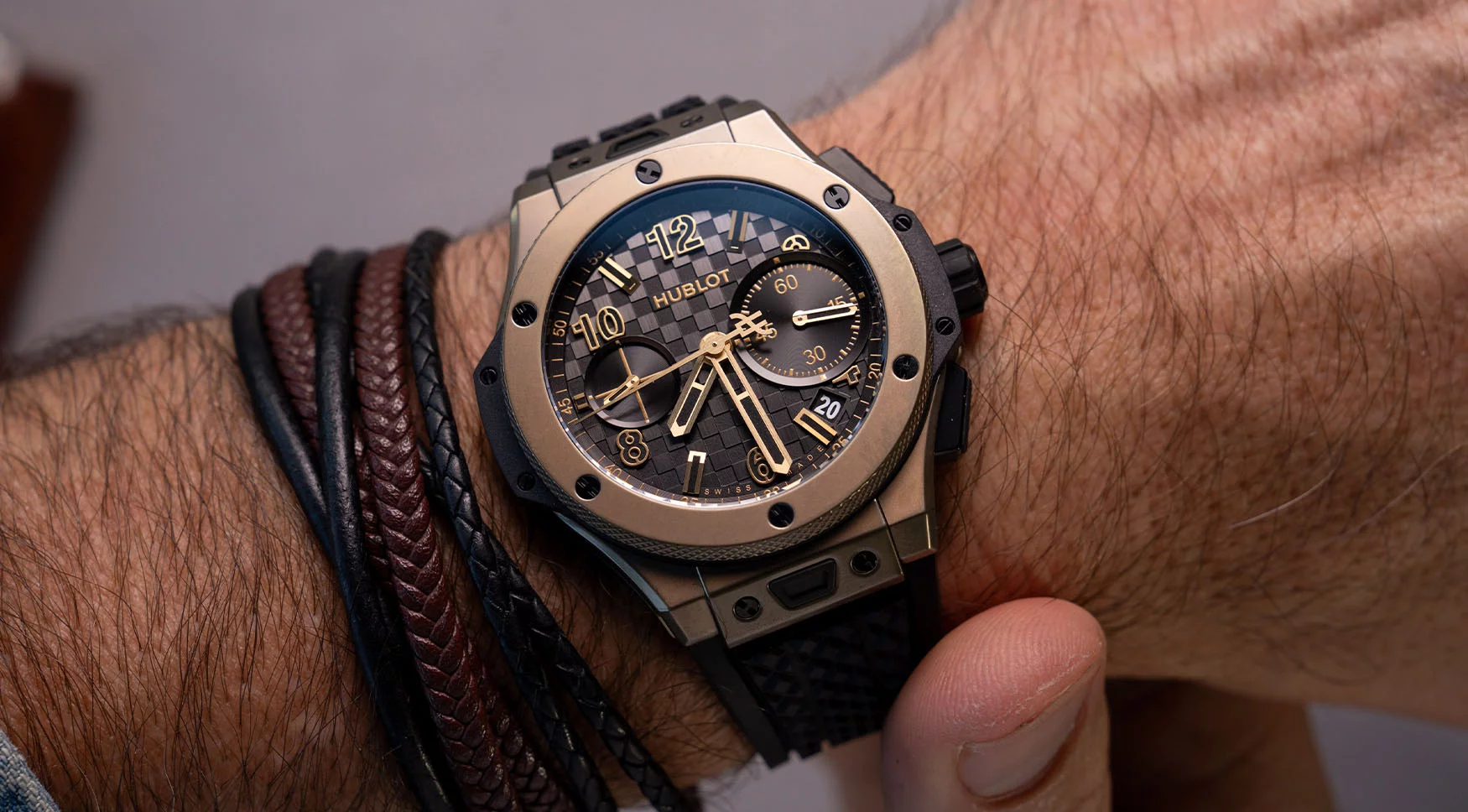
Why is Hublot hated? Andrew’s frank conversation with CEO Julien Tornare
Andrew McUtchenLook, I’ll be honest with you. When Julien Tornare caught wind that Marcus and I were in the Hublot building filming watches, I wasn’t expecting what came next. The man literally hunted us down in the hallway with an offer I couldn’t refuse: “Ask me anything.” So I did. And what followed was one of the most candid conversations I’ve ever had with a luxury watch CEO.
Let’s address the elephant in the room
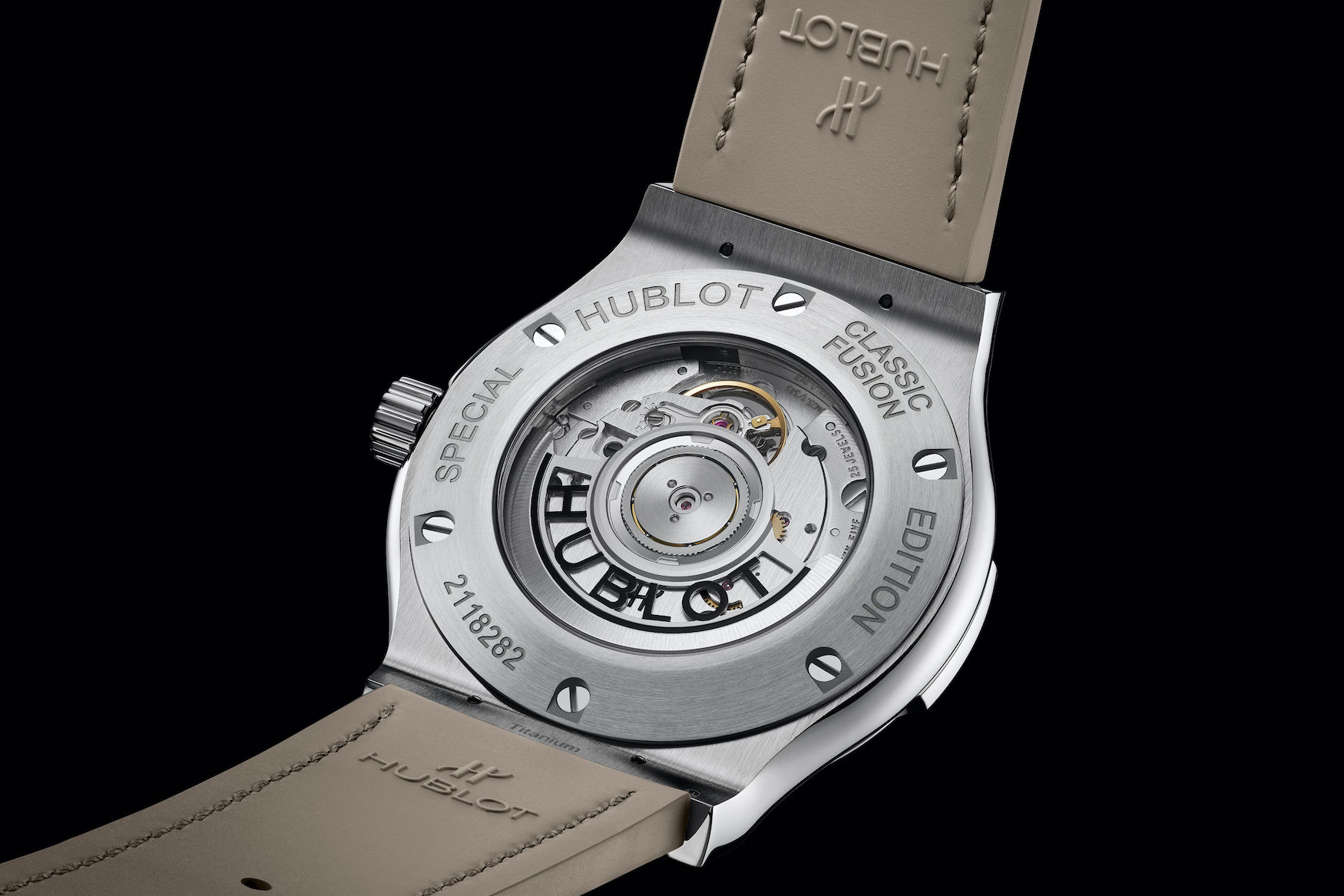
I kicked things off with the question everyone’s thinking: Why is Hublot hated? Julien didn’t flinch. “Because Hublot is so different from all the other brands,” he told me. “It’s very easy to hate Hublot. You cannot hate some brands that are very similar to each other because you would hate ten brands at once.” Fair point. But I pushed back. There are some legitimate reasons for the criticism, and I gave him one: when the brand launched, it had the audacity to charge tens of thousands for ETA movements. Hateable? Absolutely. But also, I’d argue, marketing genius. Julien’s response was measured.
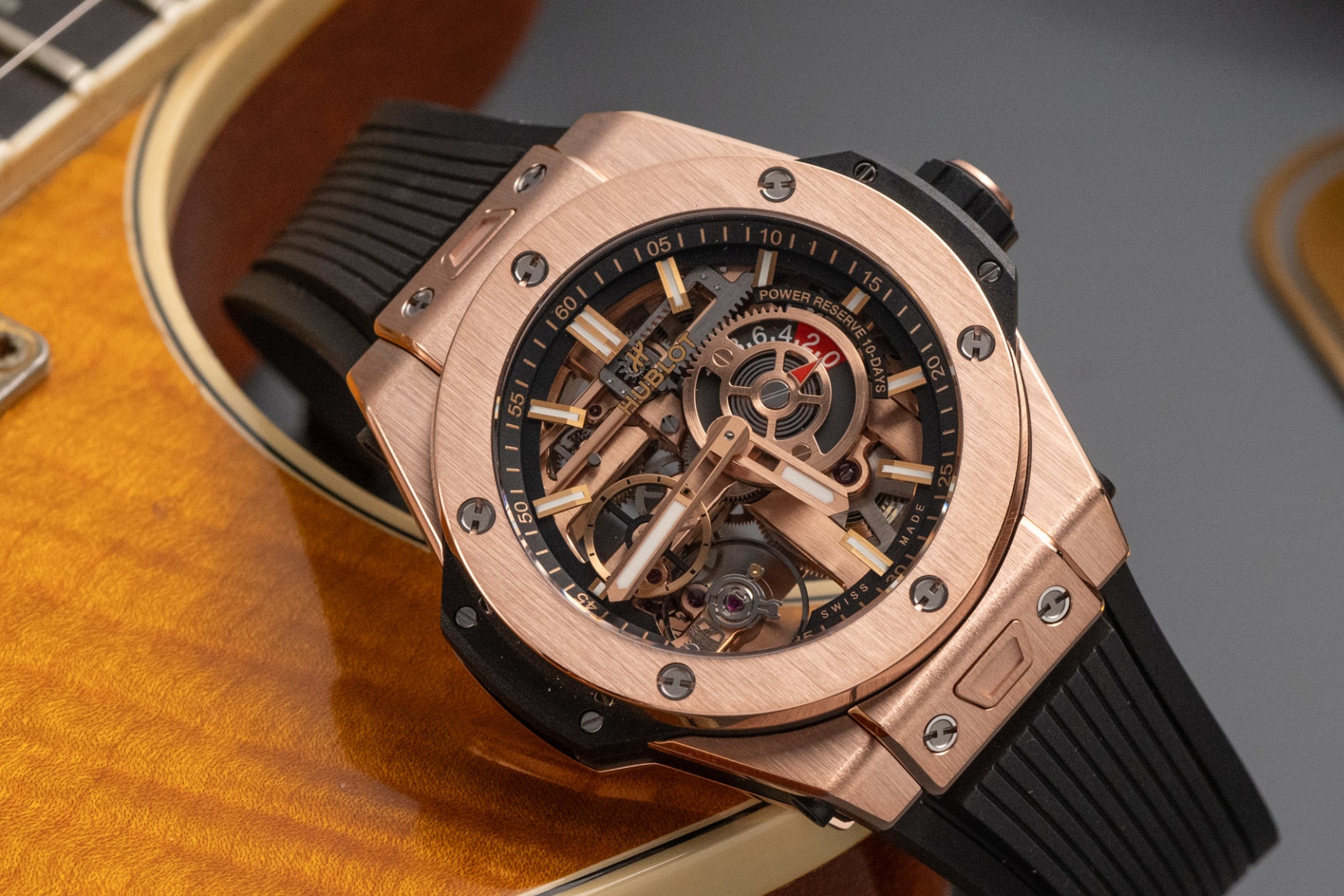
He reminded me that Hublot is only 45 years old – a baby compared to the centuries-old heritage brands it competes against. And here’s the thing: the watchmaking substance at Hublot today is genuinely impressive. The Meca-10, the Unico movement… These are proper manufacture calibres that purists should respect. Coming from someone who spent years at Vacheron Constantin and Zenith, Julien knows what high-end watchmaking looks like.
The movement question

This is where things got really interesting. I asked him straight: how much of your movements are truly in-house versus modified or outsourced, and how will that change? Julien didn’t dance around it. Currently, the majority of Hublot’s watches use their own Unico chronograph or the Meca-10. But yes, they still use some external movements – about 25-40% depending on the product line. His commitment? That’s changing.
Soon, every Hublot will have either a manufacture movement or a high-end calibre like the El Primero from Zenith. “My objective is to go forward fully with manufacture or premium movements so that nobody can say any bad comments on our movements,” he told me. And honestly? It’s about time.
Price, value, and what you’re really paying for
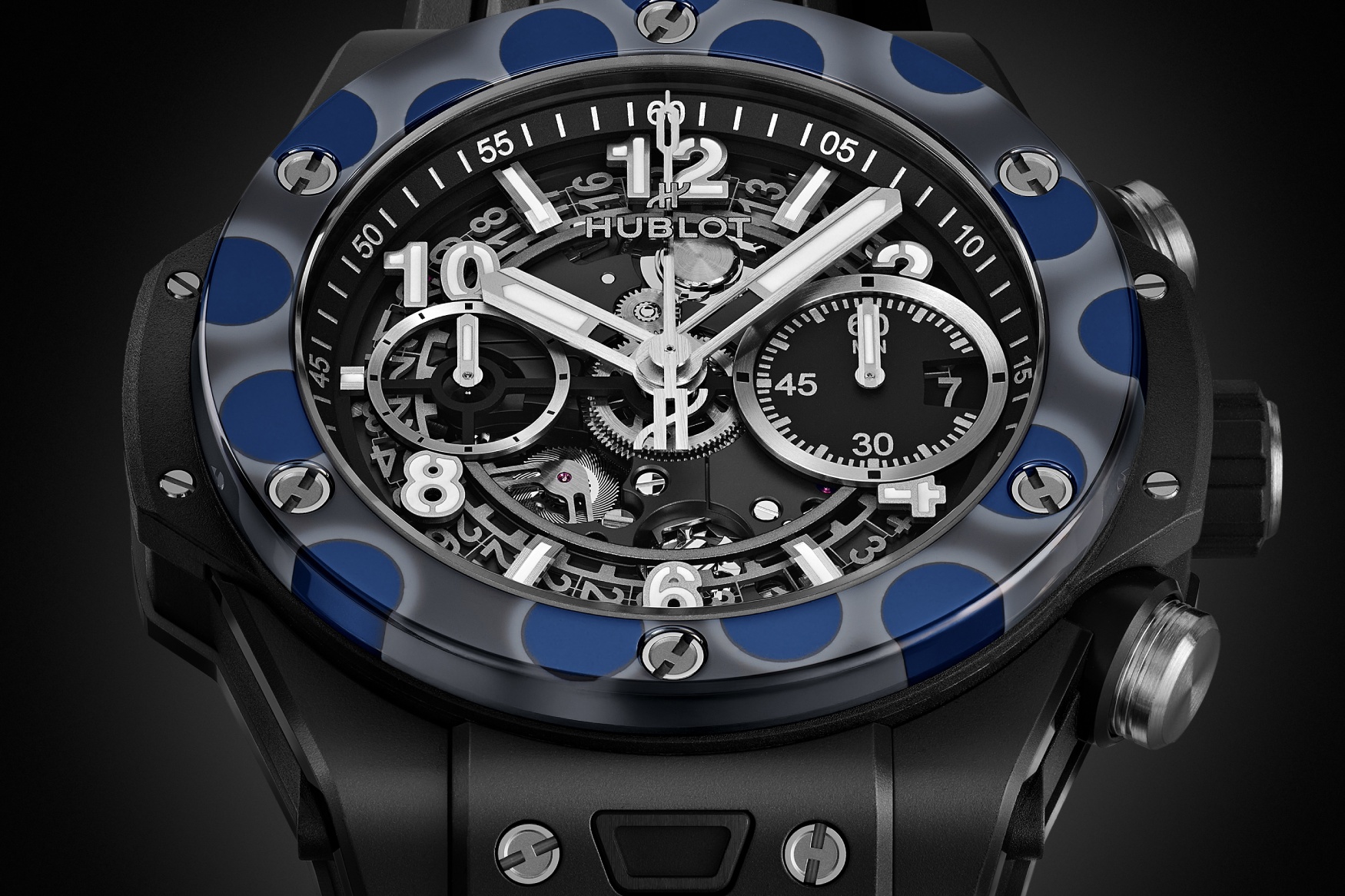
When I pressed him on how Hublot justifies its price points relative to technical content and finishing, Julien made a point that actually resonated: creating new materials, sapphire made in-house, patented ceramics, sometimes costs more than using a manufacture movement.
The R&D investment is massive. But what really caught my eye was the finishing on the new Meca-10. There’s mirror-polished work on the bridges that I’d never seen on a Hublot before. Julien confirmed they’re pushing finishing to the highest levels of watchmaking, paying attention to every detail by hand. This is a new direction, and it’s one I’m genuinely excited about.
The limited edition problem

I had to ask: you’ve launched many limited editions. Are you diluting the brand? Julien didn’t think so, but he admitted there’s room for improvement. Going forward, limited editions will only happen when there’s real meaning behind them, not just country editions or retailer specials. Think Djokovic’s watch with its new materials and lightness story, not opportunistic cash grabs.
What’s next: the vision

Here’s where Julien’s energy became almost tangible. The man is fired up about Hublot’s future, and not in that corporate-speak way. He’s got a clear roadmap: this year celebrated the Big Bang’s 20th anniversary. Next year brings major new products across all collections, Big Bang, Classic Fusion, and the MP line. But the real headline? 2030. For Hublot’s 50th anniversary, Julien promises something that will “make everyone reconsider time measurement and what time means to our society.” It’s a bold claim, but given what’s happening in their manufacture, I’m intrigued.
The bottom line
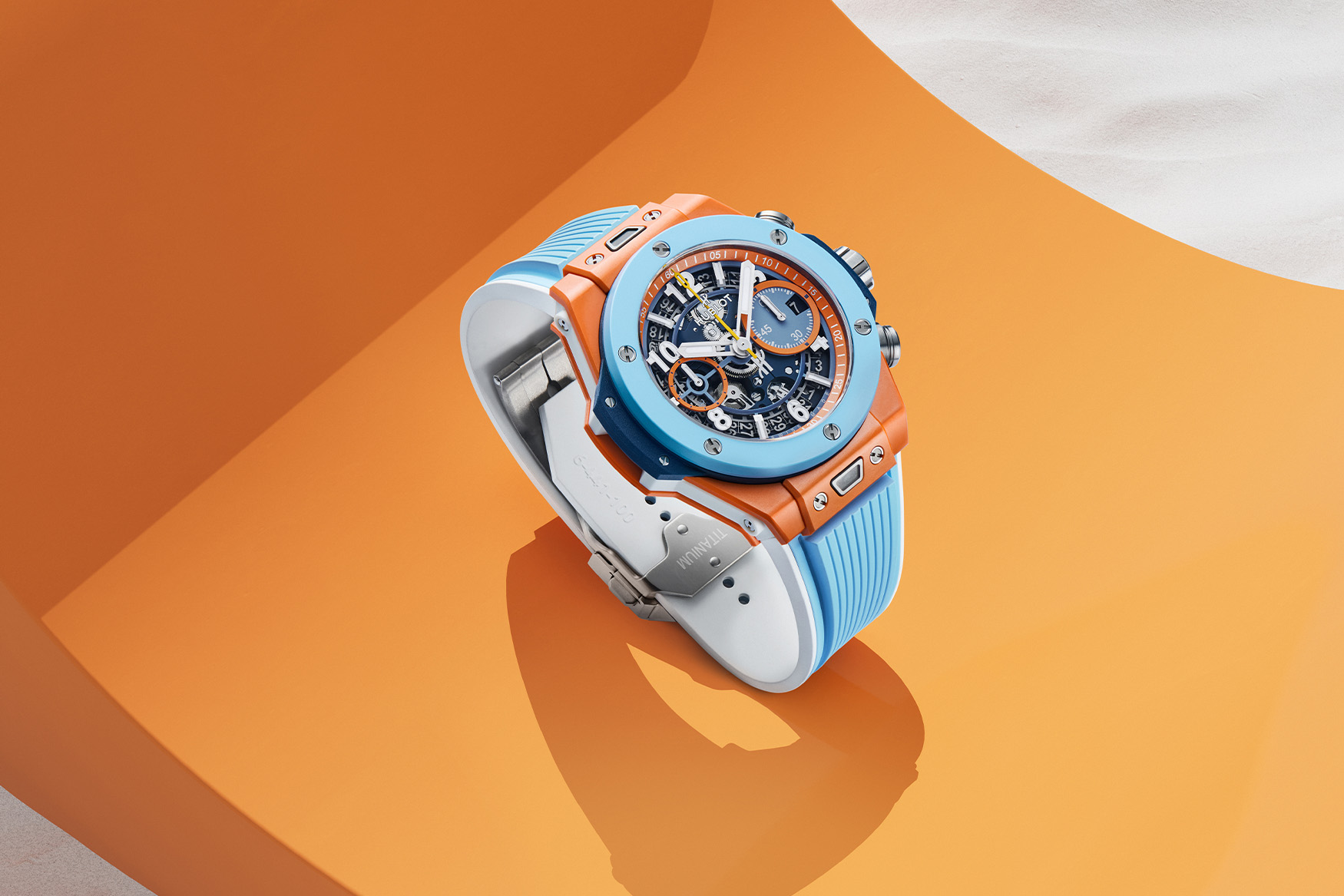
What struck me most about this conversation was Julien’s authenticity. He’s not trying to change haters’ minds; he’s trying to help people understand what Hublot actually is. And that’s refreshing. Is Hublot perfect? No. Do they still have work to do on the watchmaking front? Absolutely. But under Julien’s leadership, there’s a genuine commitment to addressing the legitimate criticisms while maintaining the bold, disruptive spirit that makes Hublot, well, Hublot. As Julien put it perfectly: “If someone is organising a boring event at Hublot, this person should not be part of the team anymore.” And you know what? I respect that. Whether you love them or hate them, at least Hublot stands for something different. In an industry that often plays it safe, that’s worth something.