


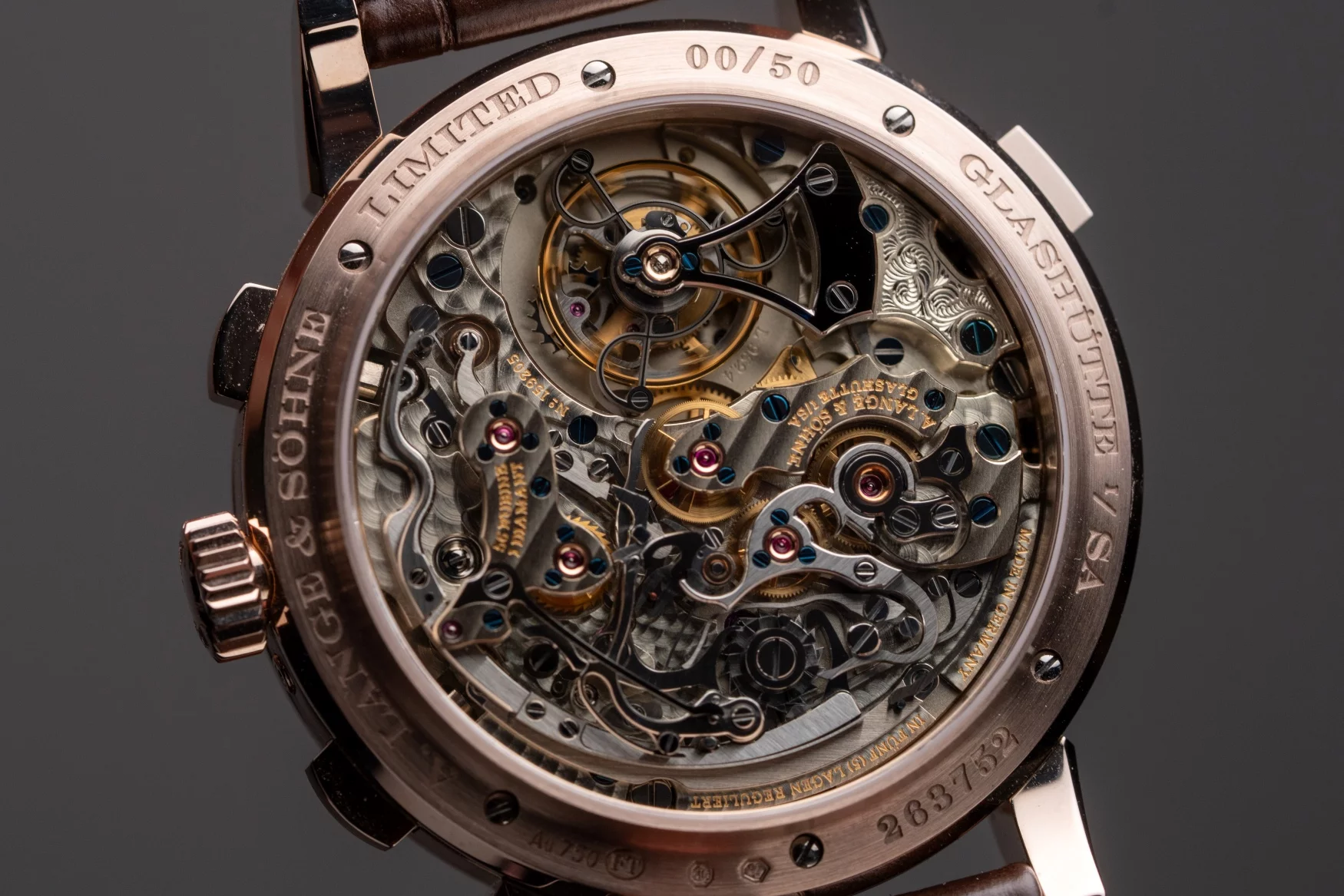
Inside the A. Lange & Söhne manufacture: “Where perfection meets beautiful imperfection”
Time+TideIn the world of haute horlogerie, few experiences compare to stepping inside a top-tier watch manufactory. When that manufacturer is A. Lange & Söhne – the German brand that emerged from behind the Iron Curtain to challenge Swiss dominance – the experience becomes transcendent. Recently, Andrew had the extraordinary privilege of spending a day inside Lange’s Glashütte facility with CEO Wilhelm Schmid, uncovering the secrets behind what many consider the most beautifully finished watches in the world.
The Holy Trinity question
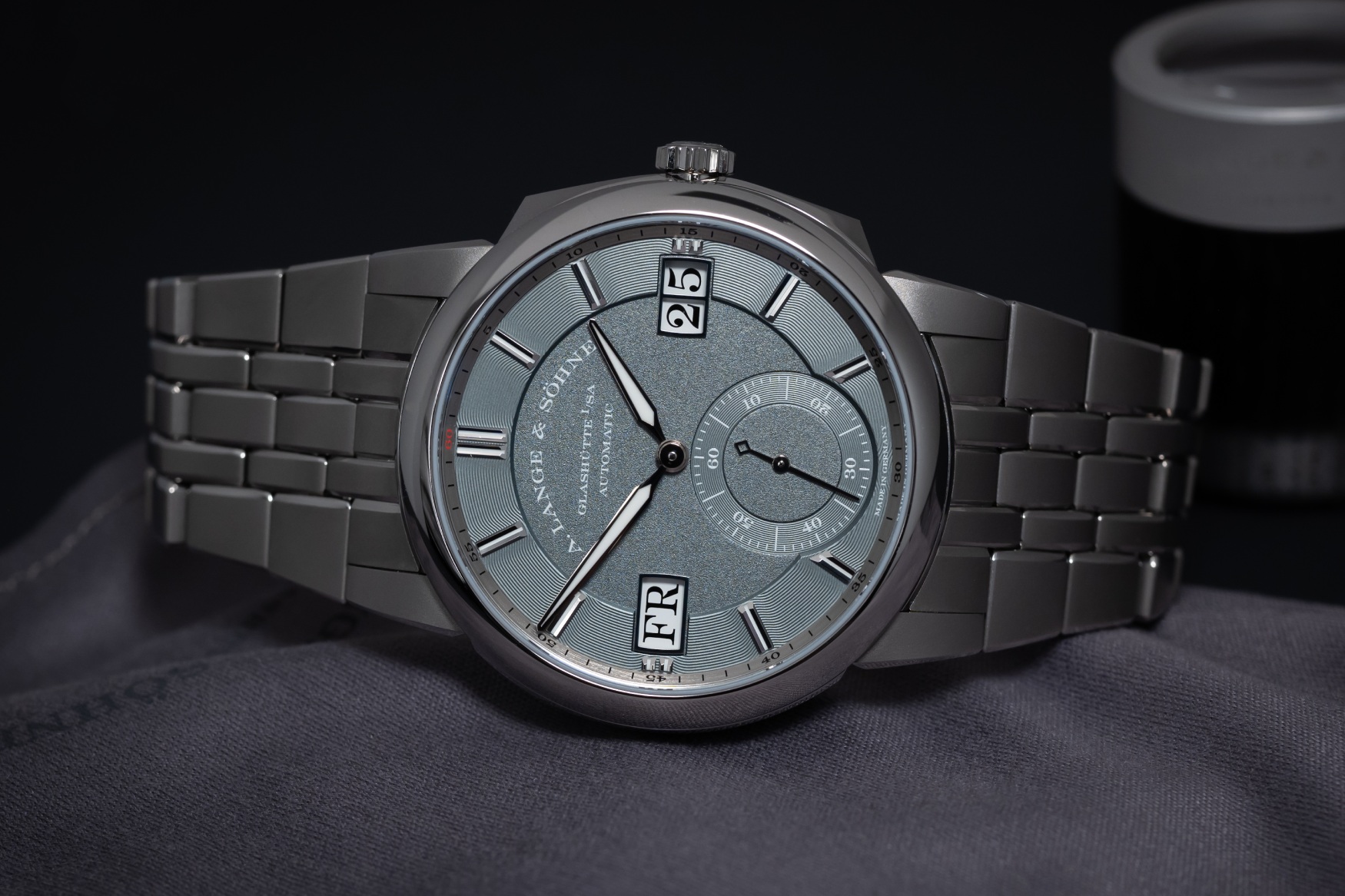
Before diving into the manufacturing marvel that is Lange, we must address the elephant in the room: why does this German brand consistently find itself mentioned alongside Patek Philippe, Vacheron Constantin, and Audemars Piguet? The answer isn’t heritage – Lange’s modern incarnation dates only to 1994. It isn’t production volume, either – they make just 5,000 watches annually. The answer lies in two practices that set A. Lange & Söhne apart: its obsessive finishing standards and its unique double assembly process.
The double assembly mystery solved
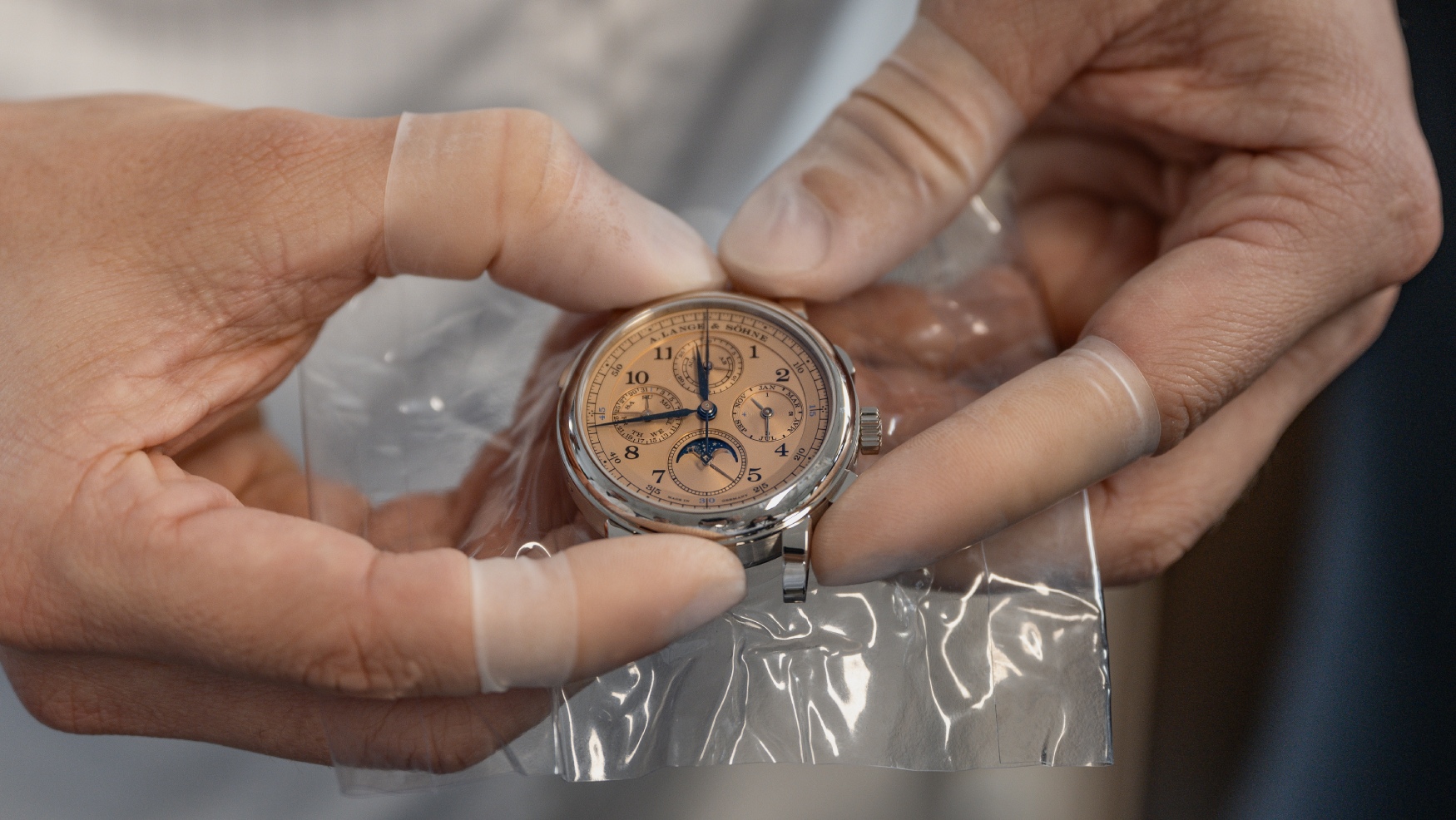
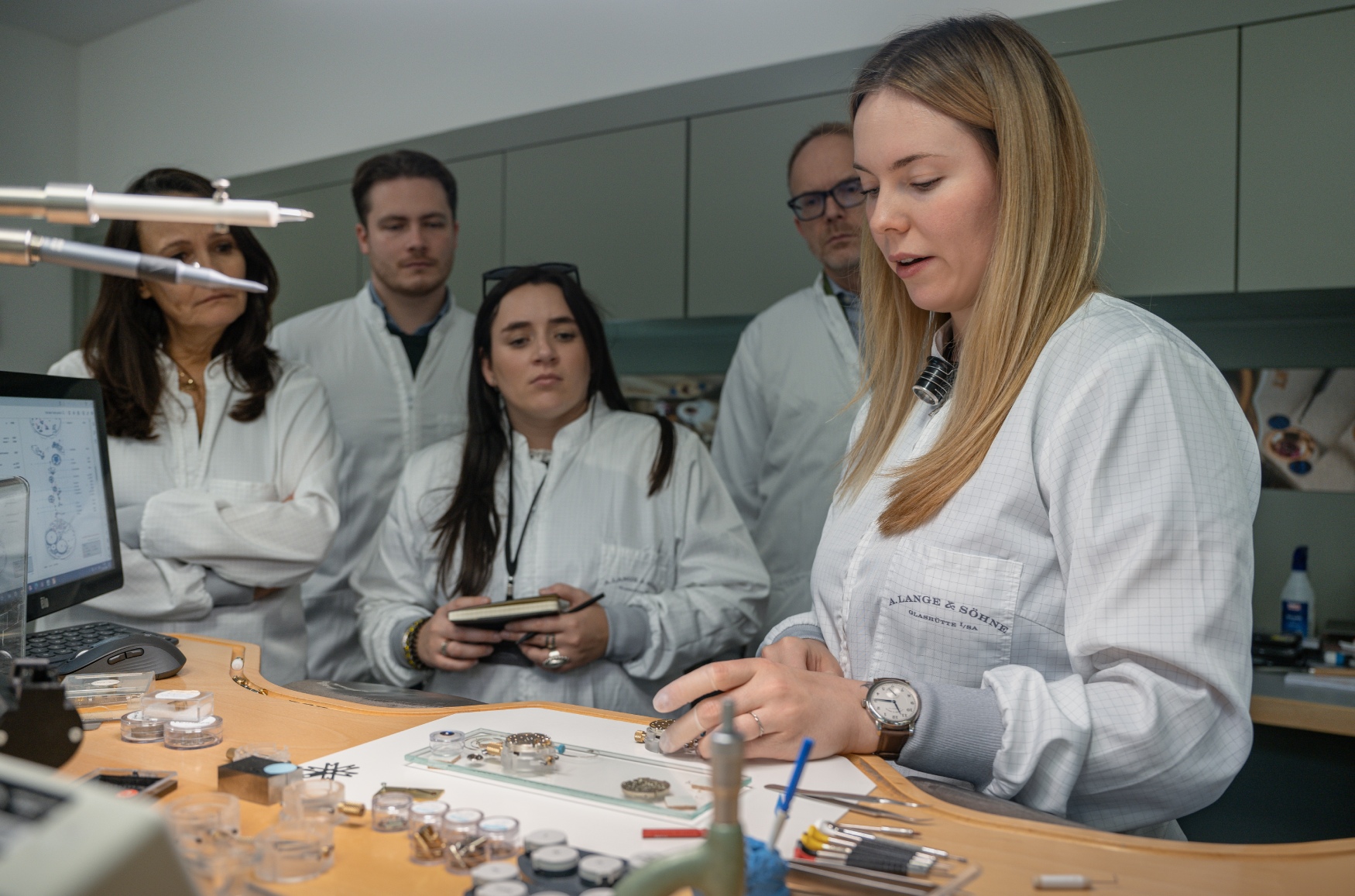
Perhaps no aspect of Lange’s manufacturing is more intriguing than its decision to fully assemble each watch twice. This isn’t quality control theatre – it’s a necessity driven by their commitment to using untreated German silver for all base plates. Why double assembly? Wilhelm Schmid explained it simply: “You touch it, you breathe on it, it’ll look ugly very soon.” German silver, while beautiful when properly finished, oxidises and tarnishes easily. The double assembly process serves multiple purposes:
- First Assembly: Watchmakers ensure perfect mechanical function, adjusting tolerances and putting the movement through rigorous testing.
- Disassembly: The movement is completely taken apart for final decoration.
- Final Decoration: Every component receives its finishing – beveling, polishing, engraving – knowing all tolerances are correct.
- Second Assembly: Using fresh screws, the fully decorated movement is assembled for the final time.
The fresh screw philosophy
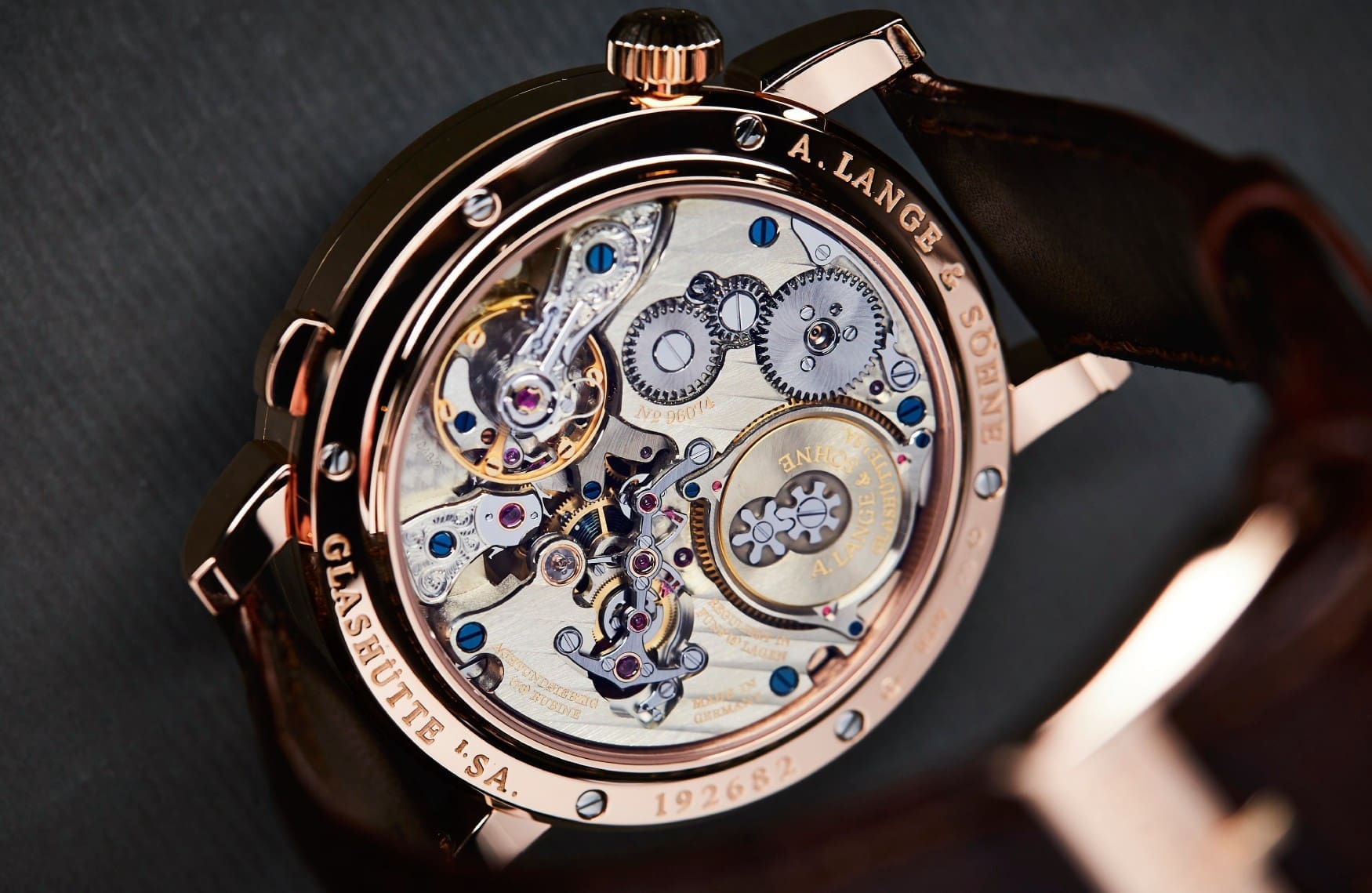
One detail exemplifies Lange’s obsession with perfection: they use different screws for each assembly. The initial assembly uses “guide screws” that may acquire microscopic scratches during the assembly and disassembly process. For the final assembly, completely fresh screws are used, ensuring that every blued screw head visible through the exhibition caseback is pristine.

Consider the nine gold chatons in a Lange 1. Each must be polished individually by being pressed into soft wood and worked against a glass plate with three different grades of diamond dust, progressing from coarse (3/1000th of a millimetre) to ultra-fine (1/2000th of a millimetre). The precision required means even the slightest imperfection in a screw head would compromise the aesthetic perfection Lange demands.
Nine types of finishing excellence
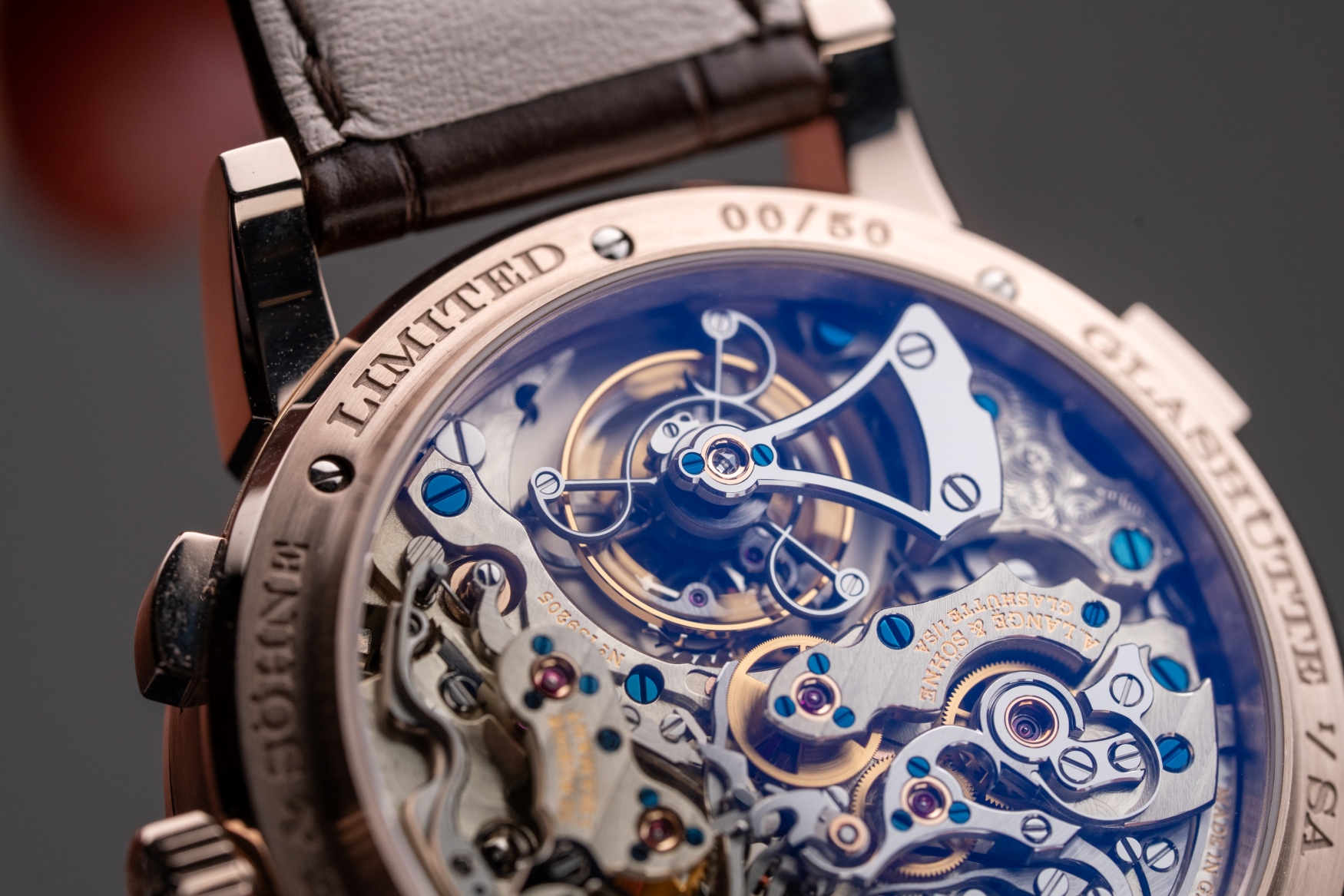
Lange’s commitment to finishing extends across nine distinct techniques, each with its own Germanic nomenclature:
- Glashütte Ribbing: Similar to Geneva stripes but with subtle differences
- Straight Graining: Their version of brushing, with particular attention to consistency
- Chamfering: Hand-polished bevelled edges throughout the movement
- Flat Polishing: Mirror finishing on plates and bridges
- Circumferential Polishing: Rounded edges of components like balance wheels
- Black Polishing: Deep, reflective surfaces on steel components
- Sunburst: Radiating patterns on dial elements
- Perlage: Overlapping circular patterns on hidden surfaces
- Hand Engraving: Floral motifs on balance bridges
What sets Lange apart isn’t the techniques themselves – most high-end manufacturers use similar methods. It’s the scope and consistency of application. While other brands might reserve certain finishes for limited editions or top-tier pieces, Lange applies this level of decoration across its entire range.
The human touch: Where imperfection becomes beautiful
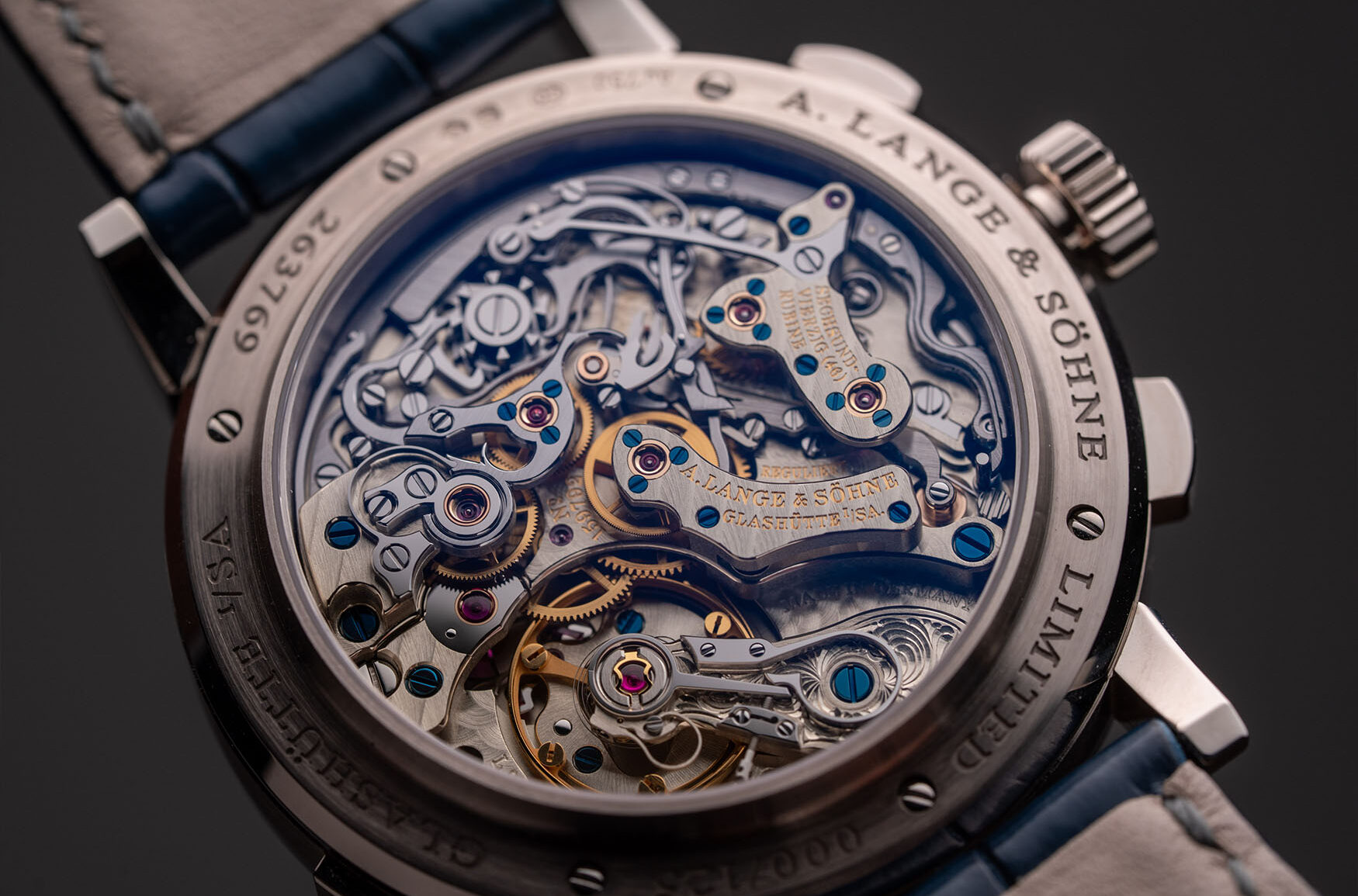
Perhaps the most profound insight from Andrew’s visit came during his time spent in the engraving department. Each Lange balance bridge features hand-engraved floral motifs, and each engraver brings their personal style to the work. Simone engraves deeply, creating intricate interlaced patterns. Robert works with smaller, more precise strokes and has evolved his technique over time, now creating four-petaled flowers instead of the more complex patterns he once favoured.
When Andrew asked Wilhelm Schmid about this variability, his response was philosophical: “Something perfect also means it’s pretty dead, doesn’t it? That’s the imperfection of beauty. This distinguishes something that a robot can do from what a human can do.”
This statement crystallises Lange’s philosophy: the pursuit of technical perfection balanced with the celebration of human craftsmanship’s inherent variability.

To understand this balance between precision and creativity, Andrew participated in engraving a balance bridge himself. Working alongside master engraver Robert, he learned that while the motif must be floral and fit within specific boundaries, engravers have complete creative freedom within those constraints.

The most challenging aspect isn’t the intricate internal patterns – it’s creating the perfect outline that contains the design. Like handwriting, each engraver’s style is immediately recognisable to trained eyes. When examined under magnification, the “imperfections” become apparent, yet these human touches make each watch unique and alive.
Manufacturing scale and philosophy

Lange’s approach becomes even more impressive when considering its scale. With 650 employees producing 5,000 watches annually, they maintain finishing standards that would be impossible at larger volumes. Schmid acknowledged this directly: “If you produce 20,000 watches, it comes pretty clear you don’t have four times the number of finishers and engravers. You do things differently.” This constraint isn’t a limitation – it’s a conscious choice that defines the brand’s identity.
The cost of perfection

During Andrew’s visit, someone in the assembly department dropped a screw. The immediate response? “That’s €21.” When Andrew expressed disbelief at the cost of such a tiny component, the explanation was simple: “Losing one is not the end of the world. Losing 50 is a big deal.”
This anecdote illustrates the broader philosophy at Lange. Every component, no matter how small, represents a significant investment in materials, manufacturing precision, and hand-finishing. The €21 screw isn’t expensive because of the metal content, it’s expensive because of the human time and skill required to create something worthy of a Lange movement.
Who is A. Lange & Söhne for?

When Andrew asked Schmid to define Lange’s customer, his answer was refreshingly direct: “Everybody that is really into fine watchmaking, somebody that is really interested in these tiny little details. I can only invite to dig deeper because that’s where we like to discuss – that’s a proper conversation because then you know that’s where we can unveil the beauty of what we do here.”
It’s an admission that Lange watches are for connoisseurs who appreciate technical excellence and handcrafted artistry. They’re not trying to be accessible; they’re trying to be exceptional.
The finishing advantage
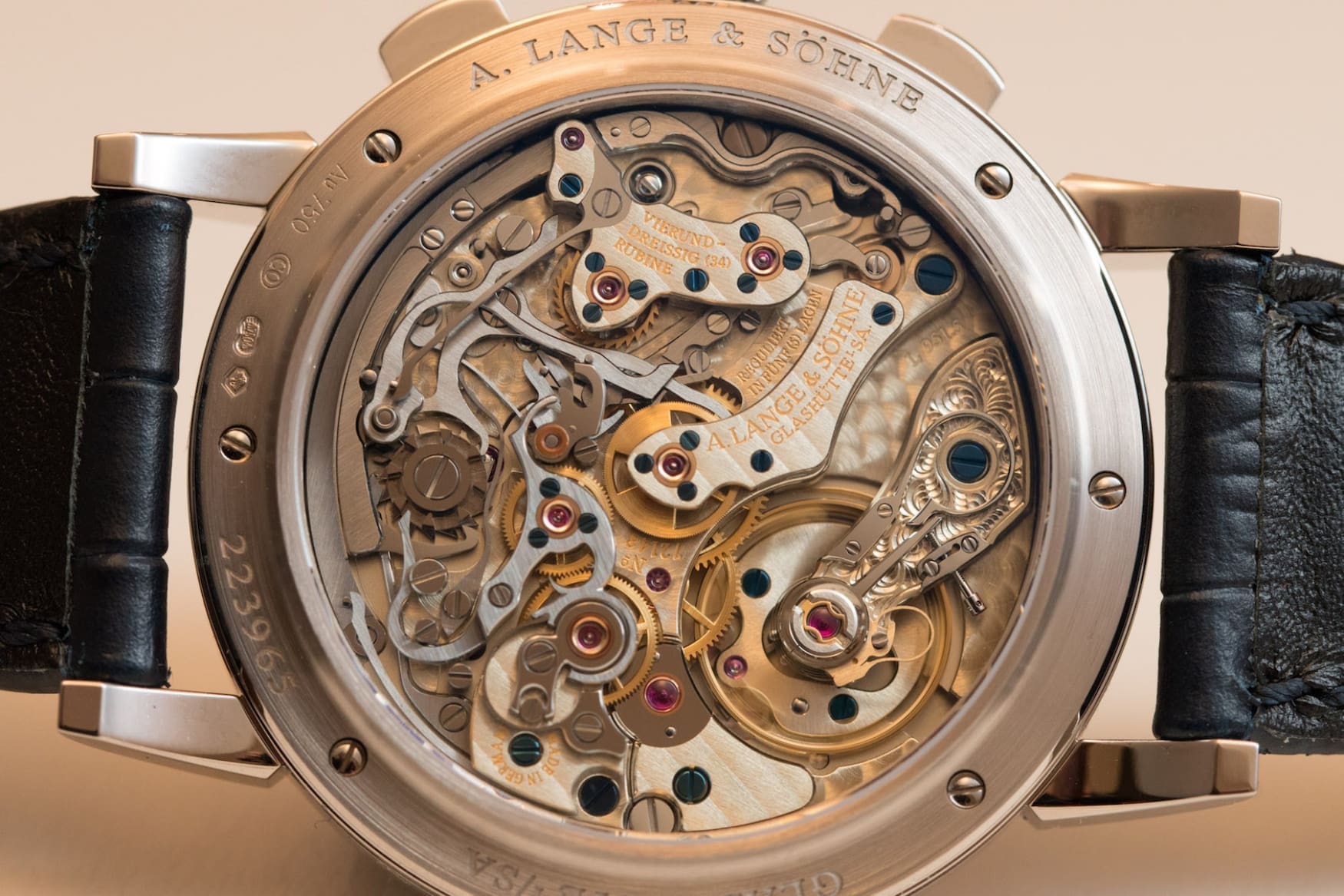
What ultimately places Lange in conversations with the Holy Trinity isn’t just their finishing quality, it’s their finishing philosophy. Swiss brands often treat decoration as an addition to mechanical excellence. At Lange, finishing is integral to the design and manufacturing process from the beginning.
Every surface that will be visible receives attention, but so do many that won’t. Hidden surfaces feature perlage, internal angles are polished, and even the movement spacers show careful attention to detail. This comprehensive approach creates movements that are beautiful from every angle – a philosophy that extends the double assembly process to every aspect of production.
The Glashütte advantage
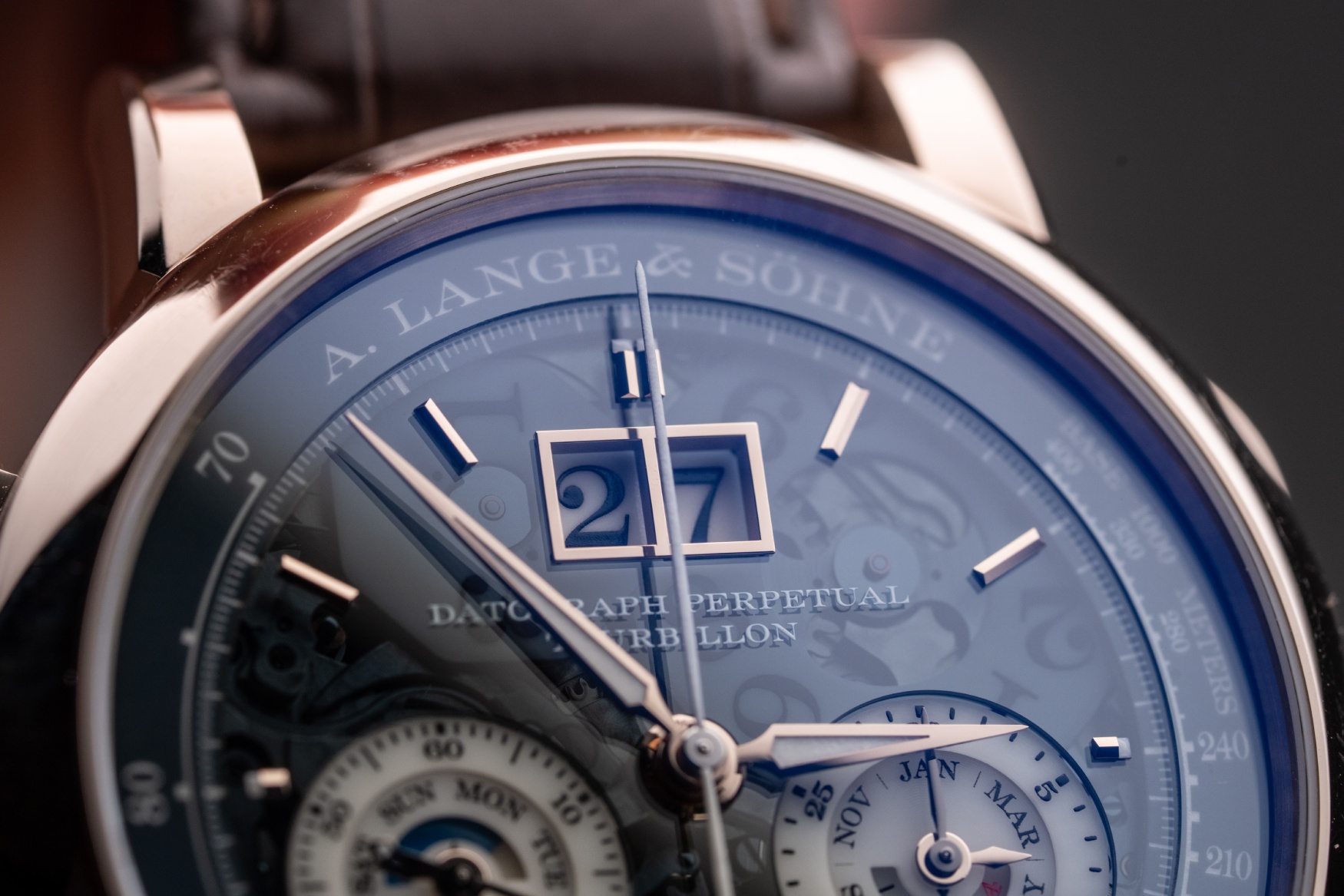
Located in Glashütte, Saxony, Lange benefits from a unique position in watchmaking geography. While not Swiss, they’re part of a historic German watchmaking region with its own traditions and techniques. This allows them to draw from Germanic precision engineering traditions while developing their own aesthetic language. The Glashütte ribbing pattern, for instance, differs subtly from Geneva stripes – it’s their own interpretation of decorative machine finishing. These small distinctions accumulate into a recognisable Lange aesthetic that honours tradition while establishing independence.
Looking forward
As traditional crafts face pressure from modern manufacturing methods, Lange’s success proves there remains a market for uncompromising handcraft. Their willingness to invest in double assembly, individual engraving, and comprehensive hand-finishing sets a standard that few can match… And fewer still would attempt to replicate profitably.
The brand’s growth from post-reunification startup to Holy Trinity contender in just three decades demonstrates that excellence, consistently applied, can overcome historical disadvantages. They’ve proven that heritage can be earned through dedication to craft rather than simply inherited through longevity.
Closing thoughts

Andrew’s day inside the Lange manufacture revealed a brand that has achieved something remarkable: they’ve industrialised artisanship without losing its soul. Every watch contains evidence of human hands and human decisions, from the engraver’s personal style to the finisher’s individual technique.
Schmid’s observation that “something perfect is pretty dead” captures the essence of what makes Lange special. In pursuing technical perfection, they’ve embraced the beautiful imperfections that prove human involvement. Each watch is perfect in its imperfection – a mechanical precision instrument that celebrates the human craftspeople who created it.