


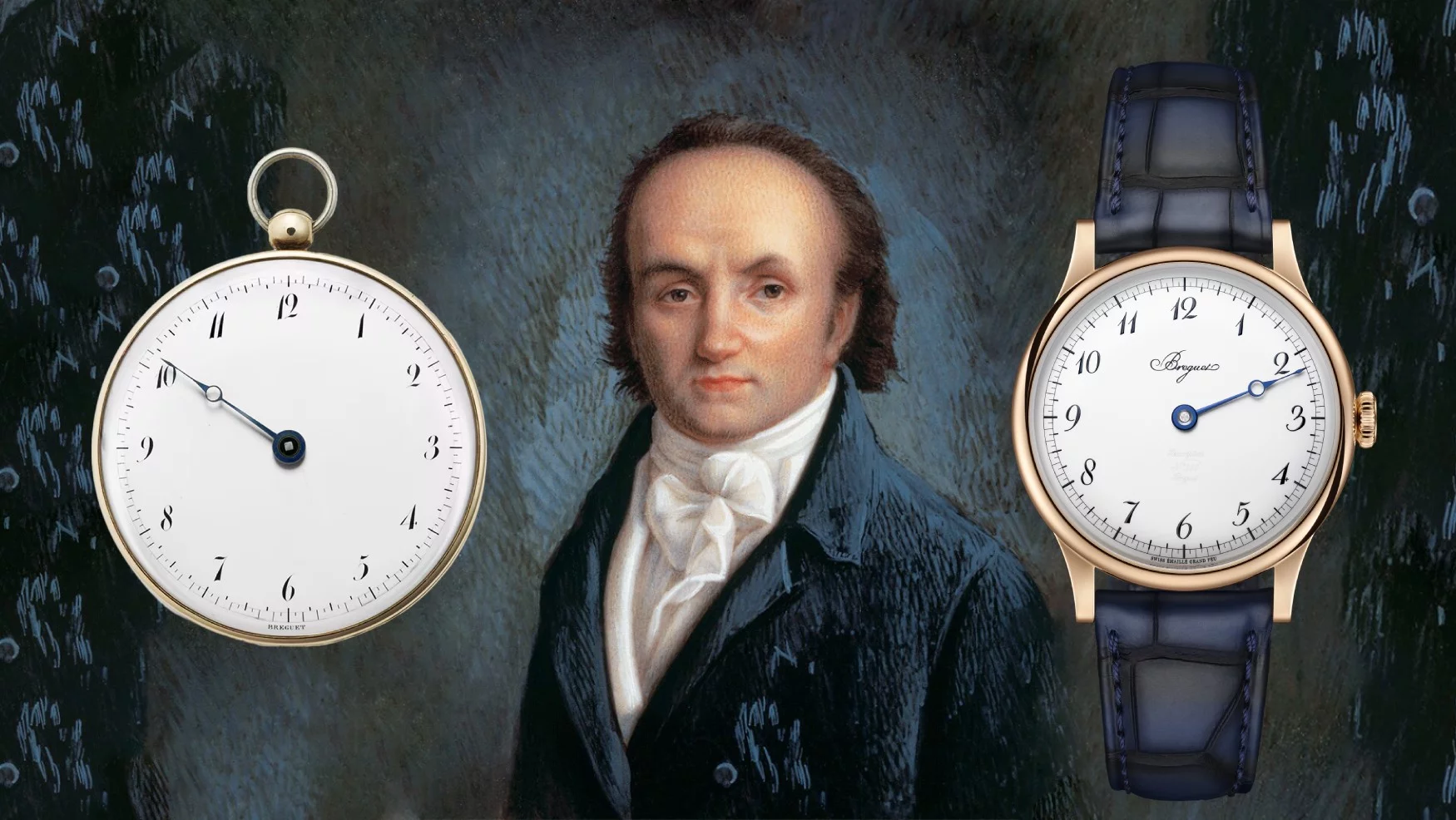
Breguet’s Souscription watches prove he was a watchmaking and business talent
Borna BošnjakBeing an inventor of any one thing that is mentioned or used even after your passing already makes you great in a way. By that measure, Abraham-Louis Breguet is one of the greatest, having his name against a great number of inventions and patents, many of which were either commercialised and improved upon by modern technology, or still remain in use today in eerily similar form. The eponymous hands and numerals, shock absorbing devices, balance springs, and of course, the tourbillon can all be traced back to Breguet – but one “invention” that is often attributed to him (though perhaps misunderstood), is that of the Souscription watch.
Not only were these watches significant as they marked Breguet’s return to France, but they also introduced a novel payment model for those whose breeches pockets weren’t quite so deep. As we’ve seen exemplified numerous times, being a great watchmaker isn’t enough to be a successful one, and the story of the Souscription watch may just show why Breguet was both.
The original Souscription watches
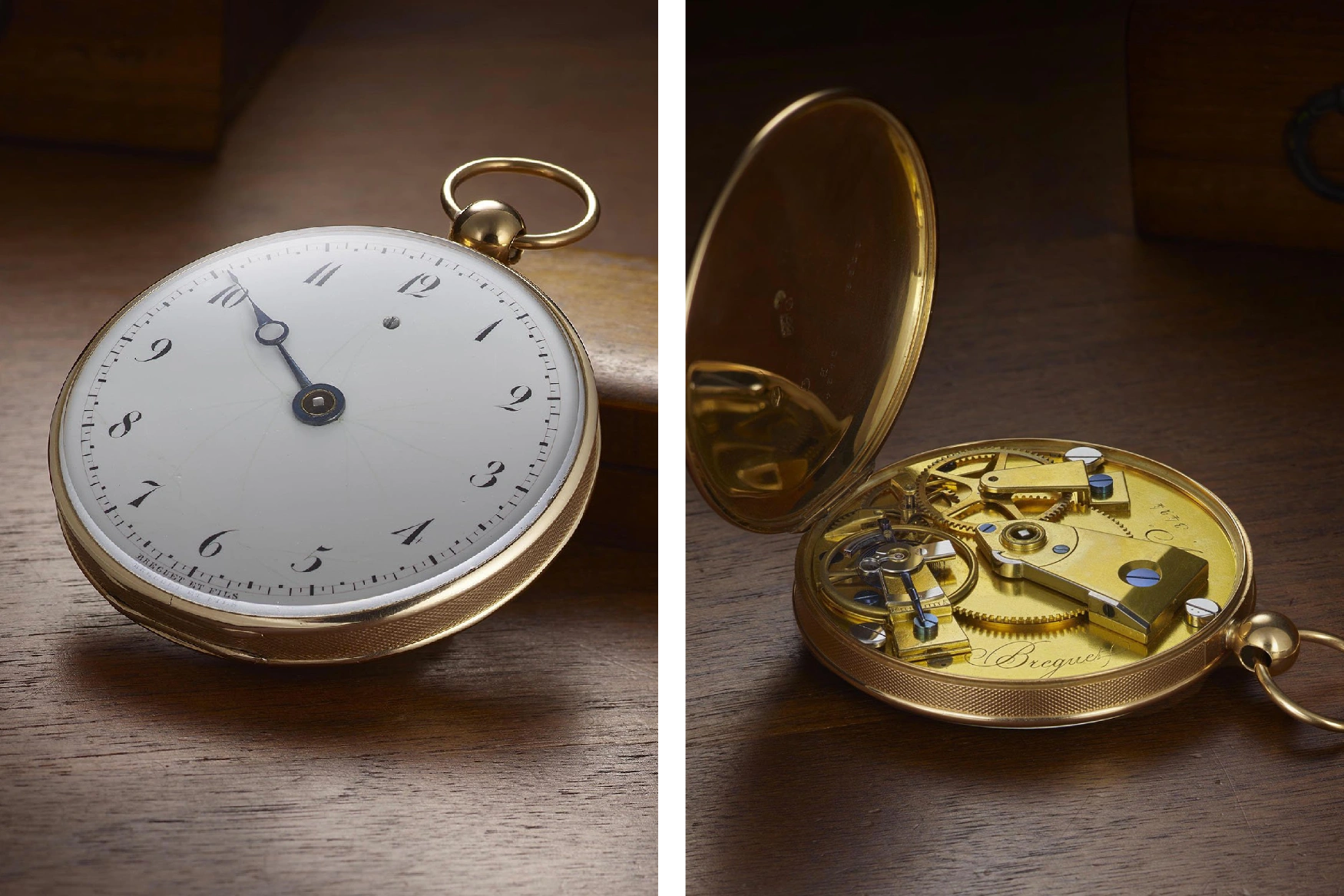
To fully portray just how forward-thinking an idea this was, you have to cast your mind back to the time before people were happy to order a stranger to drive them somewhere and pay for it via a little pocket computer. In fact, the car hadn’t been invented yet, nor had the bicycle. Breguet’s brand had existed since 1775, and by the time Souscription watches came into play, he had already gotten commissions for ultra-complicated watches (the pinnacle of which was the Marie Antoinette), escaped the French Revolution, and returned to Paris. He was an established watchmaker, but making expensive watches is an expensive endeavour in the first place, not to mention that overly indulgent French people brought about the revolution in the first place.
Breguet was probably looking for a way to reestablish himself in Paris, but for that, he would need clients and capital. Luckily for Breguet, he knew a watchmaker by the name of Jacques-Frédéric Houriet. As Breguet’s contemporary, Houriet had already worked with some of the greats – the Le Roys and Ferdinand Berthoud, to name a few – and in 1777 had already come up with a familiar pocket watch design, featuring a large case, single-handed display and simple movement. Some were sold in Swiss markets, but Houriet didn’t want to develop them further, and likely helped Breguet to perfect the design alongside the other Breguet watches made by him.

This design proved key for Breguet, as it would allow him to develop a movement using very few parts and cut as many corners as possible without sacrificing his future as a respected watchmaker. Though, despite the simplistic design driving costs down significantly from the watches Breguet had made previously, he didn’t think this would be enough to win over the now-more frugal French crowd. So, the idea of a “subscription” watch arose. Unlike your Netflix or Spotify kind, however, the Breguet Souscription involved a 25% down payment on the watch when it was ordered, with the remainder due on delivery. This would lessen the initial blow on the customers’ wallets but give Breguet the cash influx needed to actually go and operate a workshop.
Production in 1796, but preparation started even earlier…

What proved most interesting to me is that Breguet states that the very first piece was sold in 1796, but even earlier watches with prototype movements have surfaced, dating back as early as 1791. That would predate Breguet’s Swiss exile and showed that he knew he would need to pivot and create a more attractive offering in terms of price point. For the final Souscription movement to be finalised, with its signature symmetrical layout that would go on to inspire modern Breguet watches, Breguet made at least four other steps along the way, modifying Houriet’s design further and further.
First, he added the large, central barrel, before the second prototype movement added the ruby cylinder escapement. Neither of these had yet moved away from the full-bridge construction, but that would change come 1793 with the first Lépine variants. Instead of being housed under a large backplate, Breguet used four bridges – straight ones for the barrel and a single V-bridge for the third and fourth wheel, and curved bridges for the balance and second wheel.

The second Lépine variant, and fourth improvement overall, would see only the balance bridge remain curved, while the final version of 1797 – the Type V – finally straightens all the bridges, gives the third and fourth wheel separate bridges, and moves the winding to the back of the watch rather than the front like all of its predecessors. The fact that the prototypes and “intermediate” variants weren’t perfected clearly didn’t bother Breguet – they were watches bearing his name, of course, and were sold in small numbers.
From crowdfunding to decade-long waitlists
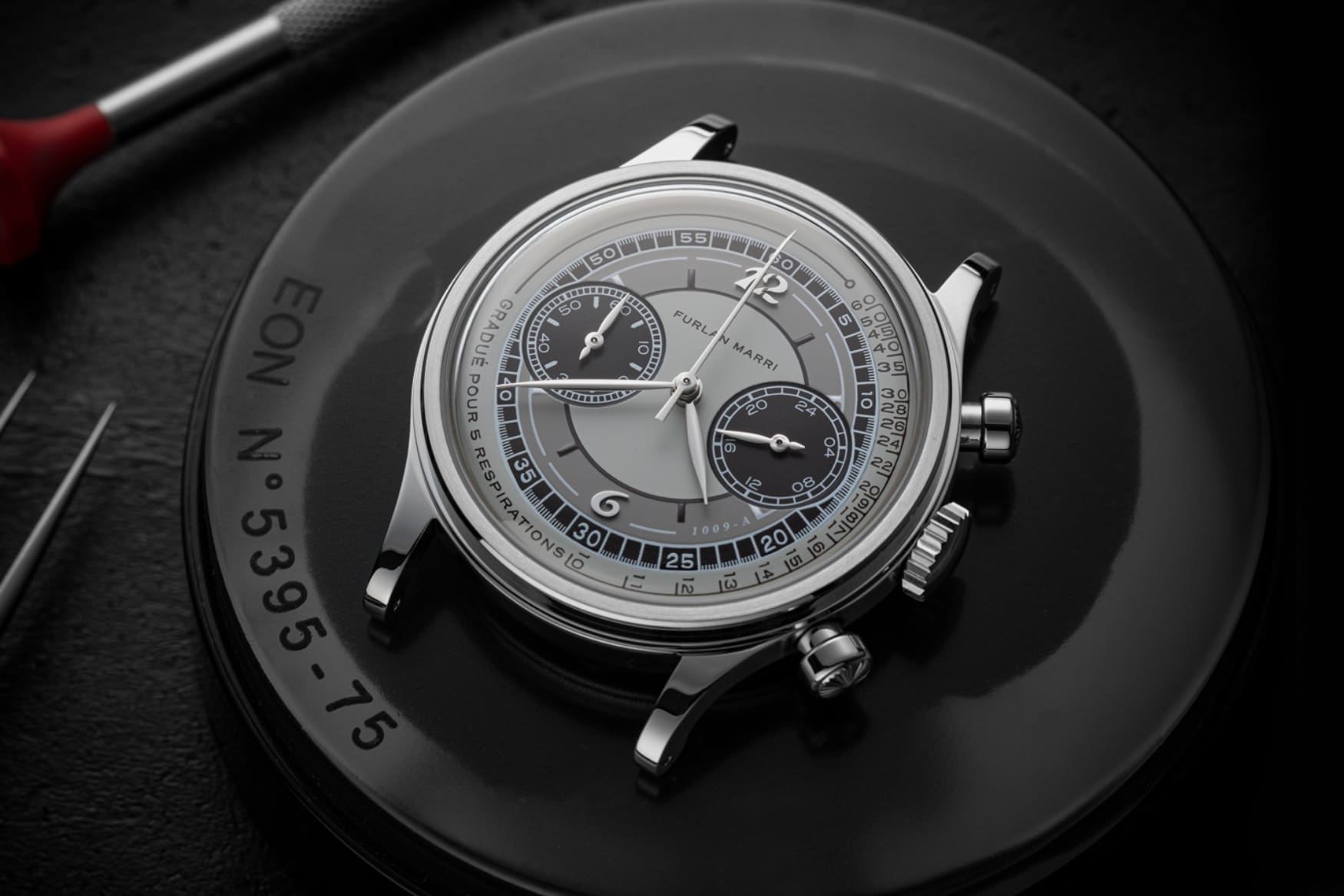
Breguet’s model proved a great success – he’d end up selling some 700 examples. The idea not only outlived Abraham-Louis when it comes to his own watches – the Breguet “brand” would end up selling some even after his death, but it’s alive and well more than two centuries later. Moreover, a good number of brands both old and new exist because of the subscription model these days. Hell, there simply wouldn’t be any microbrands had it not been for swathes of enthusiasts with enough cash and trust to fund the creation of watches that only existed as ideas in the heads of passionate creators with insufficient personal capital.

Naturally, this is not limited to the microcosm, though the idea in its purest form persists with high-end, independent brands. Journe’s early Souscription pieces built the empire, brands like Akrivia or Berneron have seemingly endless waitlists, and there are plenty of brands that only produce watches to order. This practice isn’t limited to ultra-high-end or independent watches either – they merely need to be in high demand. The one thing they all share is a guarantee that you’ll be required to put some money down (often in a non-refundable manner) to confirm you really want the watch.
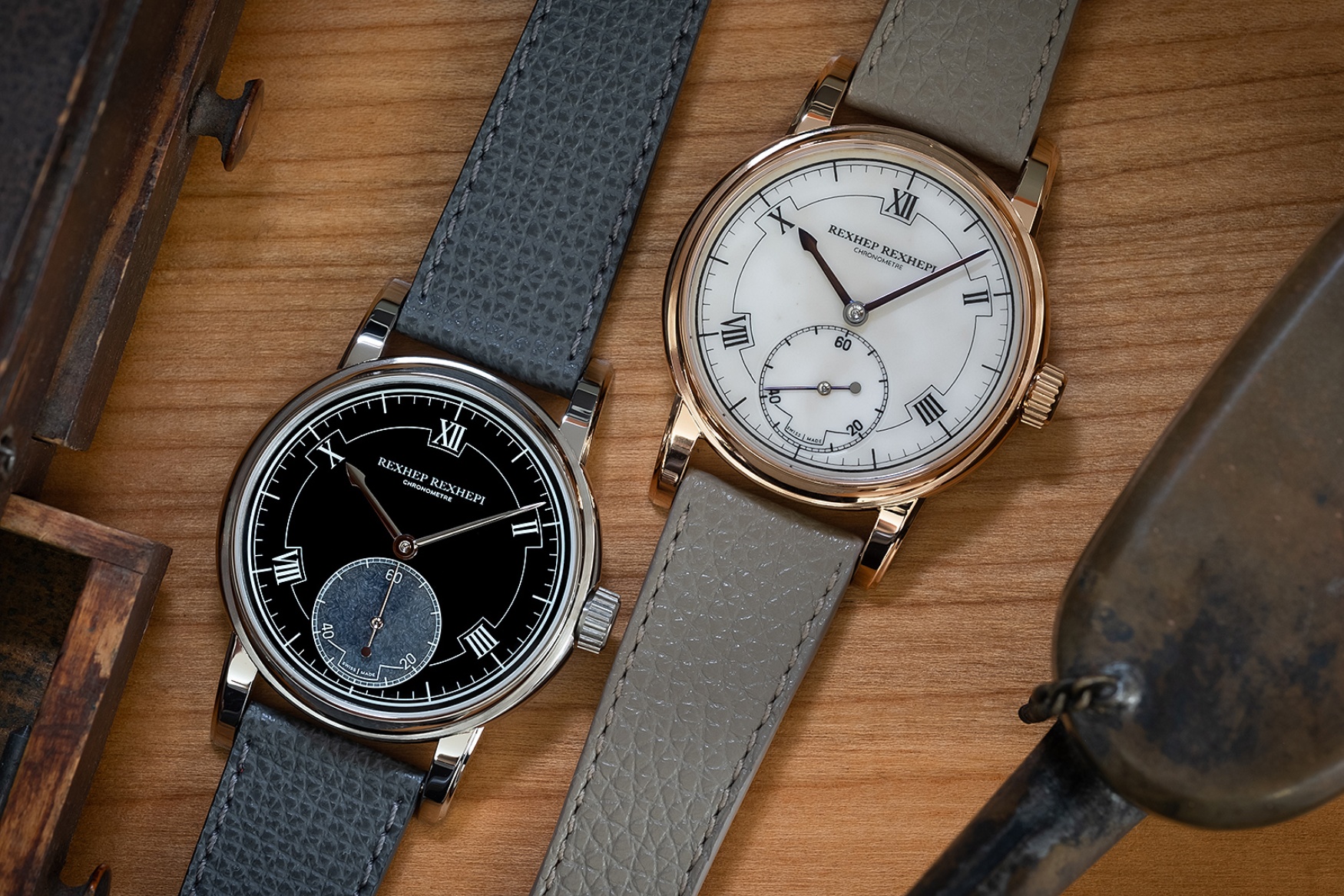
In essence, shelling out a significant sum for a watch that may not actually exist, let alone one you haven’t seen in person, isn’t a big deal these days. This is odd given how much of the watch business is overly traditional and takes itself way too seriously, so I guess it’s yet another thing we have ol’ Abe Breguet to thank for.
Author’s note: Much of this information can be found in Jean-Claude Sabrier’s Frédéric Houriet, The Father of Swiss Chronometry. Being a niche watchmaking book (and not a cheap one, as it tends to go), an excellent abridged version of events and some of Breguet’s and Houriet’s work can be found here and here.