


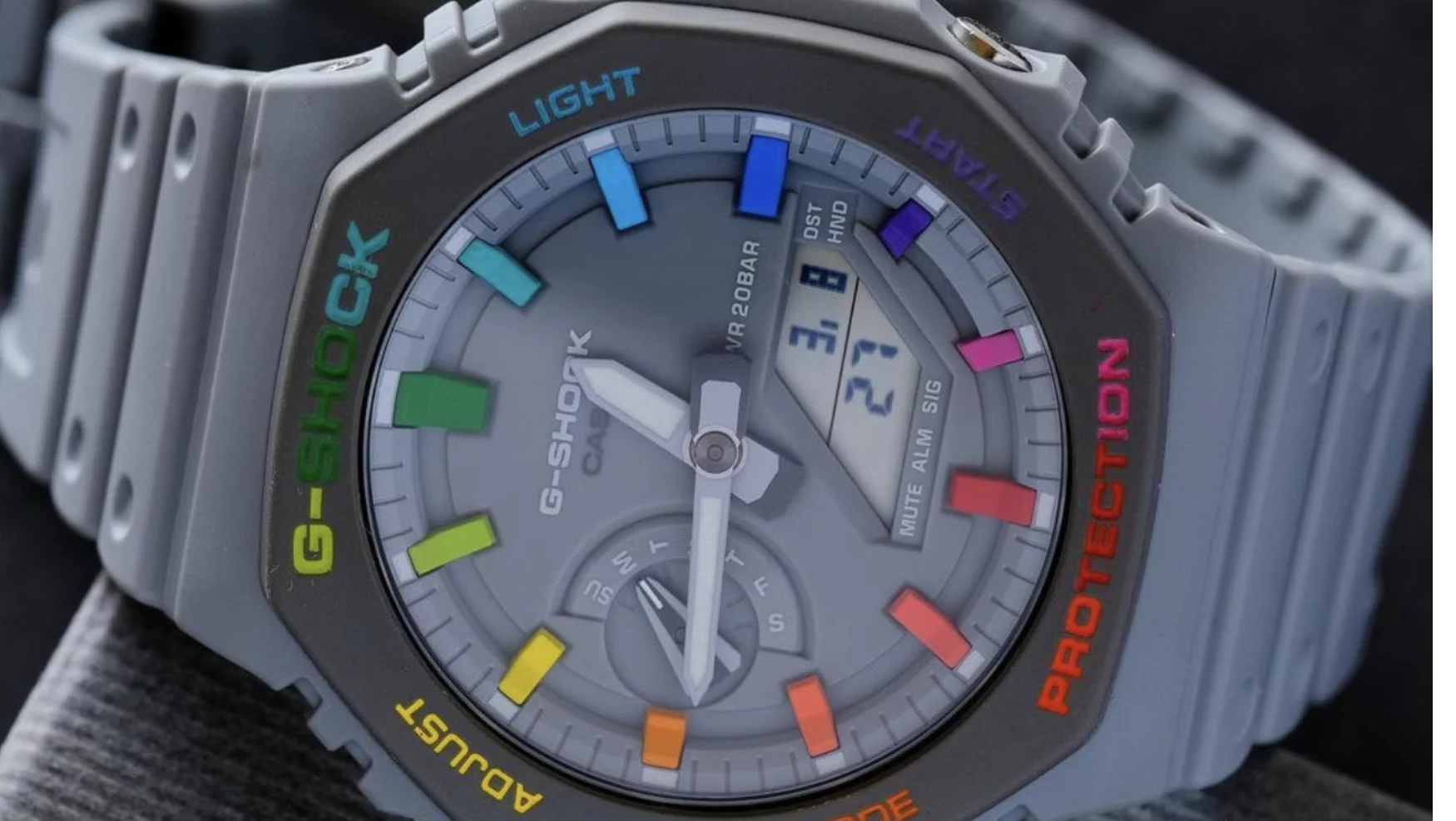
Should watch customisation be more widely accepted?
Andrew O'ConnorI have gone down the rabbit hole of watch modding in the past, but haven’t gotten past modifying a couple of G-Shocks. However, modifying guitars and instruments is a different story, as almost all my instruments have had some sort of change done to them to suit my needs. Modifying guitars is widely accepted, as is modifying cars, motorcycles, and a good number of things I do not know anything about.

For violin family instruments, the value and defining attributes of the instrument are the scroll and the body. Everything else is fair game to be modified and replaced. That means the neck, fingerboard, tailpiece, soundpost, bridge, tailgut, and tuners can all be replaced or modified without really negatively impacting the value of the instrument. An all-original, unmodified violin from the 1700s is not worth anything to a modern concert violinist as a usable instrument. That instrument’s value is in being a museum piece or collectible, which defeats the purpose of a musical instrument in the first place! So why is it that whenever we consider putting an aftermarket bracelet link on our watch, it makes many in the collecting community cry heresy?
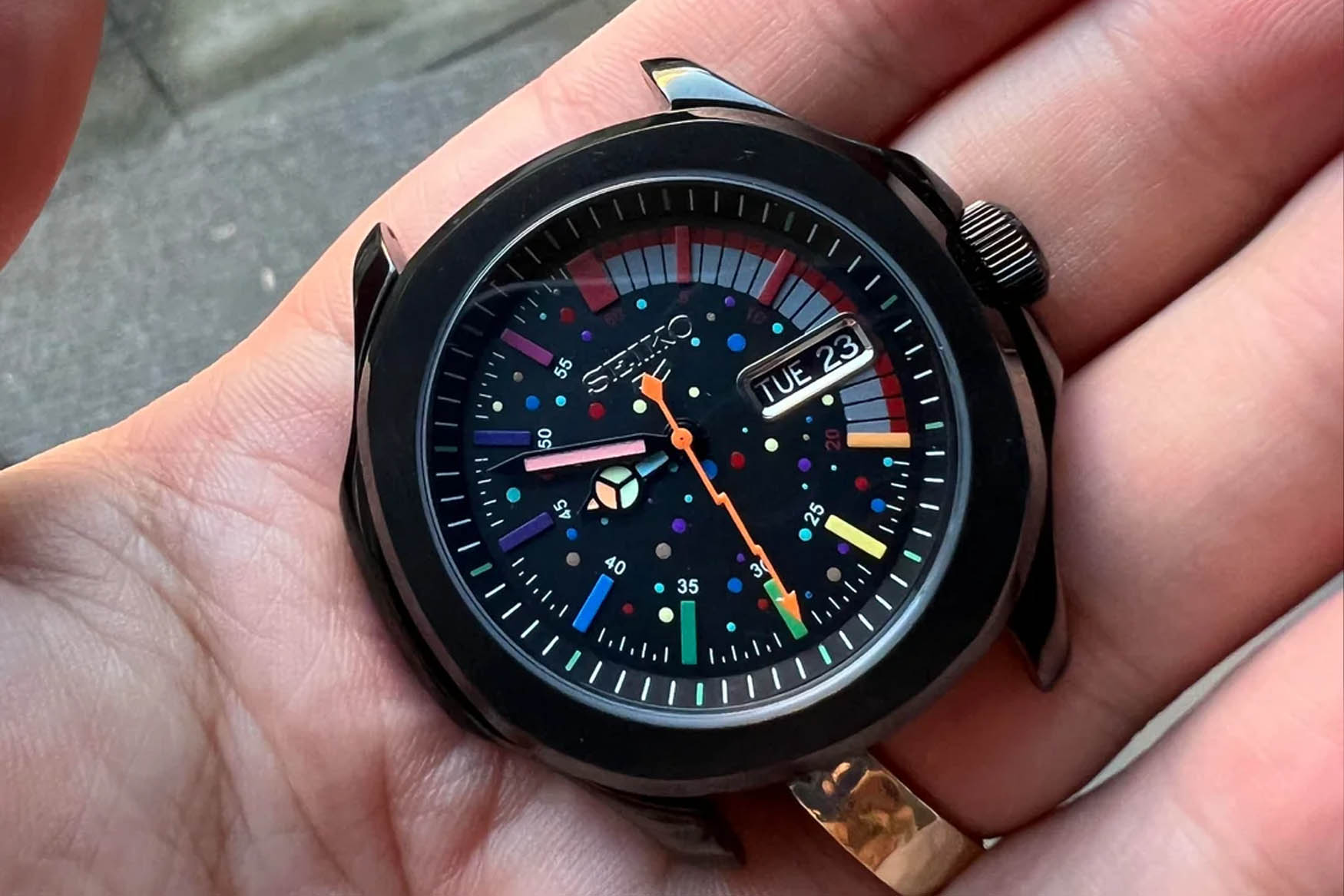
I realise that is an exaggeration, but watch modification short of swapping straps and bracelets is not a common practice. The modification of G-Shocks and Seikos is more widely accepted and done, with enthusiastic communities of people online displaying their completed builds, ranging from material upgrades to complete transformations. Most of these modifications consist of changing the aluminium bezel insert for a ceramic one, replacing the Hardlex crystal for sapphire, upgrading the bracelet, and maybe changing the hands and/or indices for a touch of personal flair while the watch is apart. These upgrades do not harm the performance of the watch, and are mostly reversible back to stock if desired. This all seems relatively safe and harmless, but it makes me wonder what happens if we up the ante.
The next step up

My feeble attempts to get into Speedmasters have led me to Spiralwinder Watch Parts. I haven’t dealt with them personally, but they are clearly watch enthusiasts themselves, supplying easily swappable parts for popular vintage and modern timepieces. Their catalogue consists mostly of sapphire casebacks for models that came standard with steel backs, and different ceramic bezel inserts for Omega Speedmasters. Speedmasters are cool, don’t get me wrong, but their widespread popularity (along with other things, and I’m not the only one) has kept me from owning a Speedy.
The prospect of making it my own with a pulosmeter bezel does make it slightly more appealing, as it would then be my own Speedmaster. If a rotating bezel becomes available, that may seal the deal for me as well, making it both unique and increasing the functionality of the watch for me. I think for many, the prospect of modifying a more premium watch is scary, but changing a bezel or case back is quite easy and minimally invasive, especially if you have a watchmaker do it for you or have them check your work afterwards to make sure the watch case is good to go.

What I feel like is up another level still is customising original dials and hands. Going back down to common Seiko models, getting a custom dial or set of hands is quite easy, as there are a multitude of suppliers that make parts designed to retrofit common models. But in terms of reaching a potential point of no return, there are customised dials on higher-end pieces. Artisans such as The Dial Artist are capable of some amazing work, customising watch dials and hands ranging from small custom logos and portraits to abstract work that encompasses the entire dial. One could source an additional dial and keep the original stock, or if you’re brave enough, get the original customised, forever making it a unique watch.
The final stage
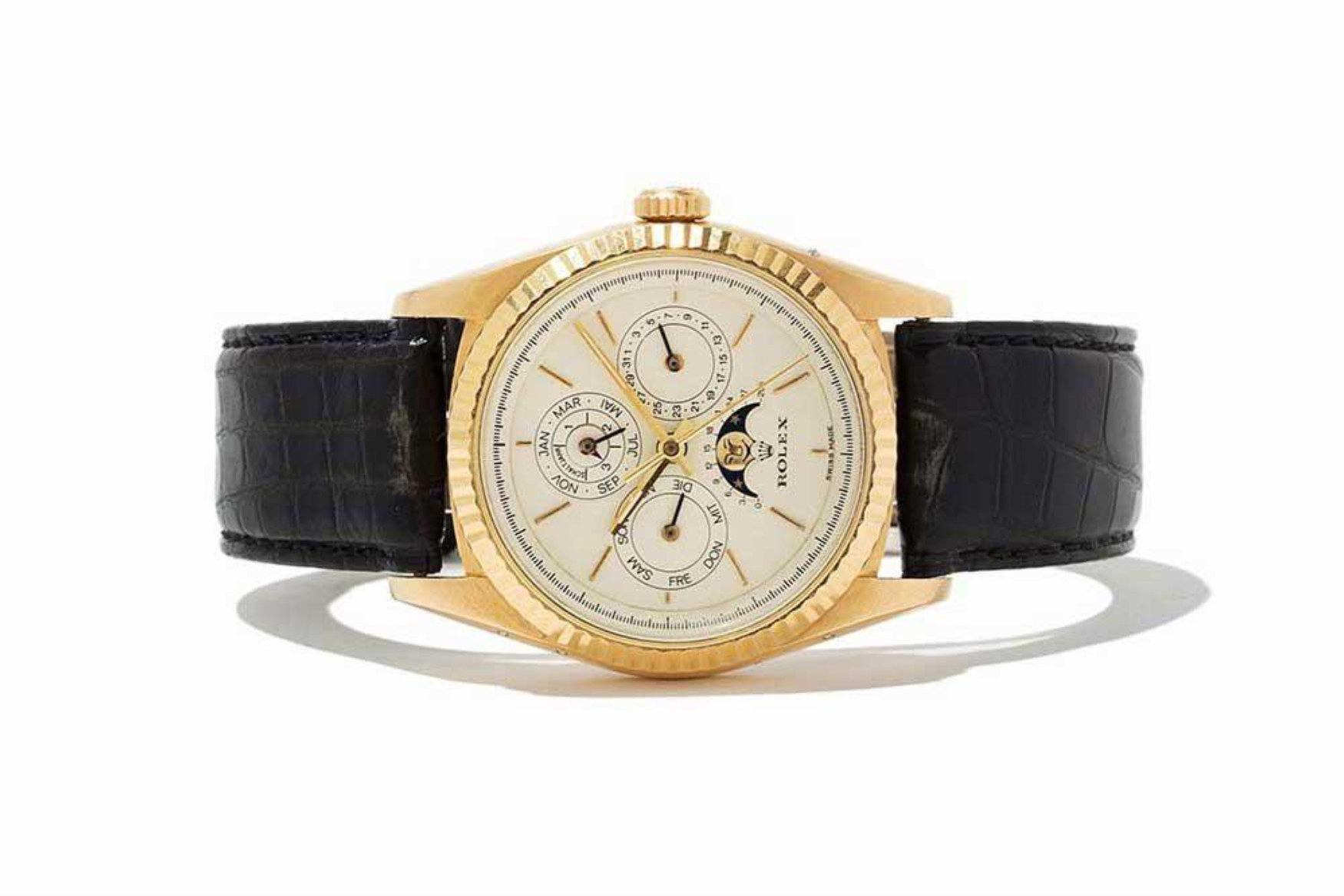
In my eyes, the final stage is when watchmakers fundamentally alter the movements or physical structures of original watches to make something totally different and unique on its own. An example of this that I wish were more widely available is modified Rolex watches with added perpetual calendars, as made famous by Jay-Z. Others have covered the full story, but in short, it appears that Franck Muller figured out how to attach a Dubois-Dépraz module to a Rolex movement, and others were created by another watchmaker whom Franck Muller shared his techniques with. These watches are rare, but how cool would it be to democratise these modifications, at least for those willing to sacrifice an original Rolex watch? I would be more than happy to pick up an older Datejust and have it turned into a perpetual calendar, should the option be available…
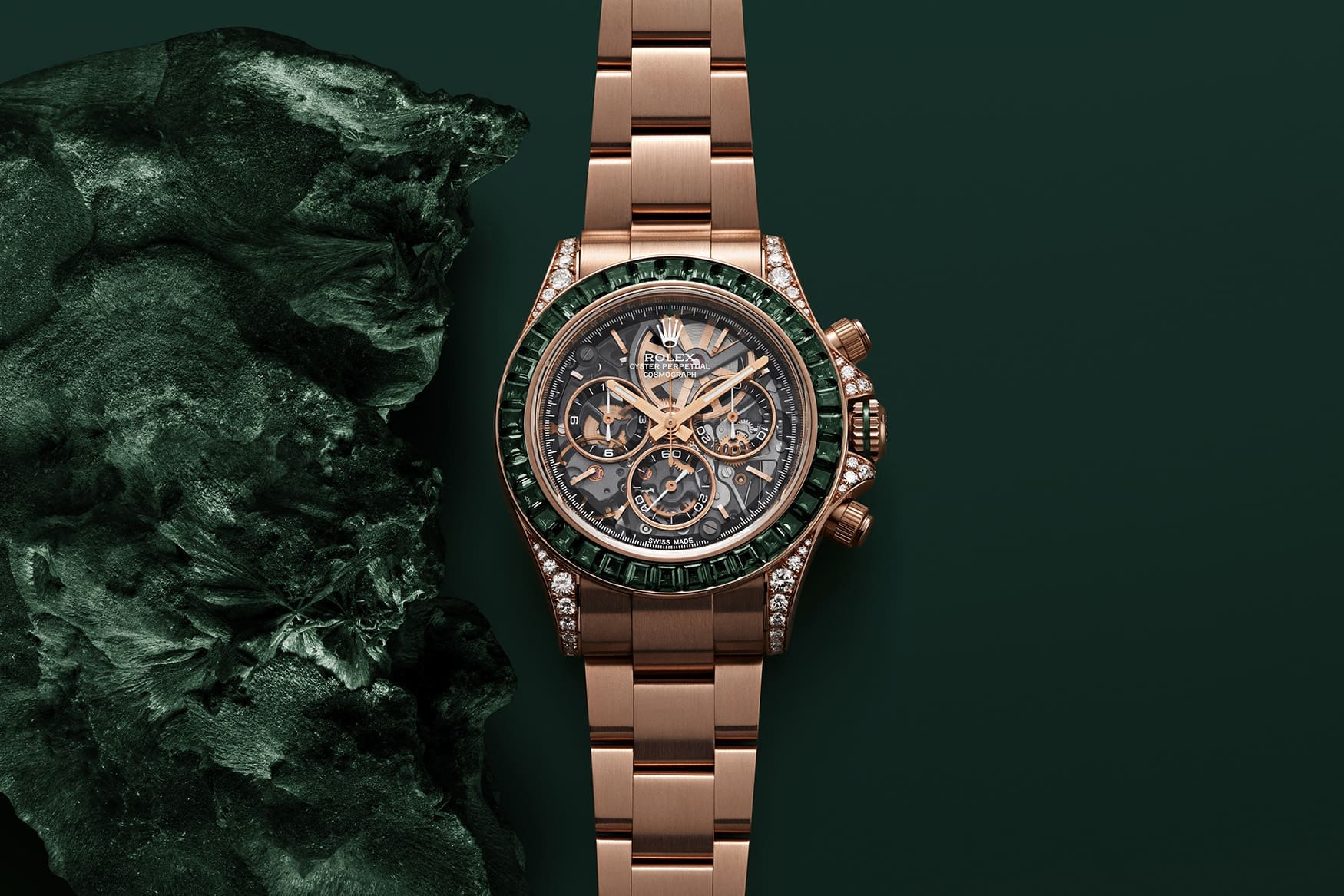
Similar in the sense of modifying original high-dollar watches, the team at Artisans de Genève are famous for taking modern icons and transforming them into unique creations, ranging from vintage-inspired reworkings of modern timepieces to fully skeletonised, bejewelled versions of icons. If you are one to treat your original watch as sacred, their work is not for the faint of heart; in addition, the fine craftsmanship involved comes at a price. Having seen a few in person, though, they become something of their own, separate from the donor watch. If you have to have something on your wrist that’s totally different to everyone else, but have a penchant for big-name icons, the fine work done at Artisans de Genève may be for you.
Closing thoughts

In any field of collectibles, original, untouched examples have their place. As watch collectors, we all know that original, unpolished examples of watches from blue-chip brands can command high values. Hell, I have even seen people ask over US$1,000 for an original Seiko SKX013! But unlike other collectibles, it seems that the values of modified watches, even very desirable ones, don’t retain value much the same way as other modified collectible items, especially ones that are used as tools. If you are the type of person who likes to keep things as original as possible, then sure, modifying your watches is likely not a good option. But for those of us who are a little more willing to tinker and modify, especially to make it more relevant to our daily lives, maybe modifications are a worthwhile investment in our own satisfaction.