


Why is the FHH crucial to the growth of the watch industry?
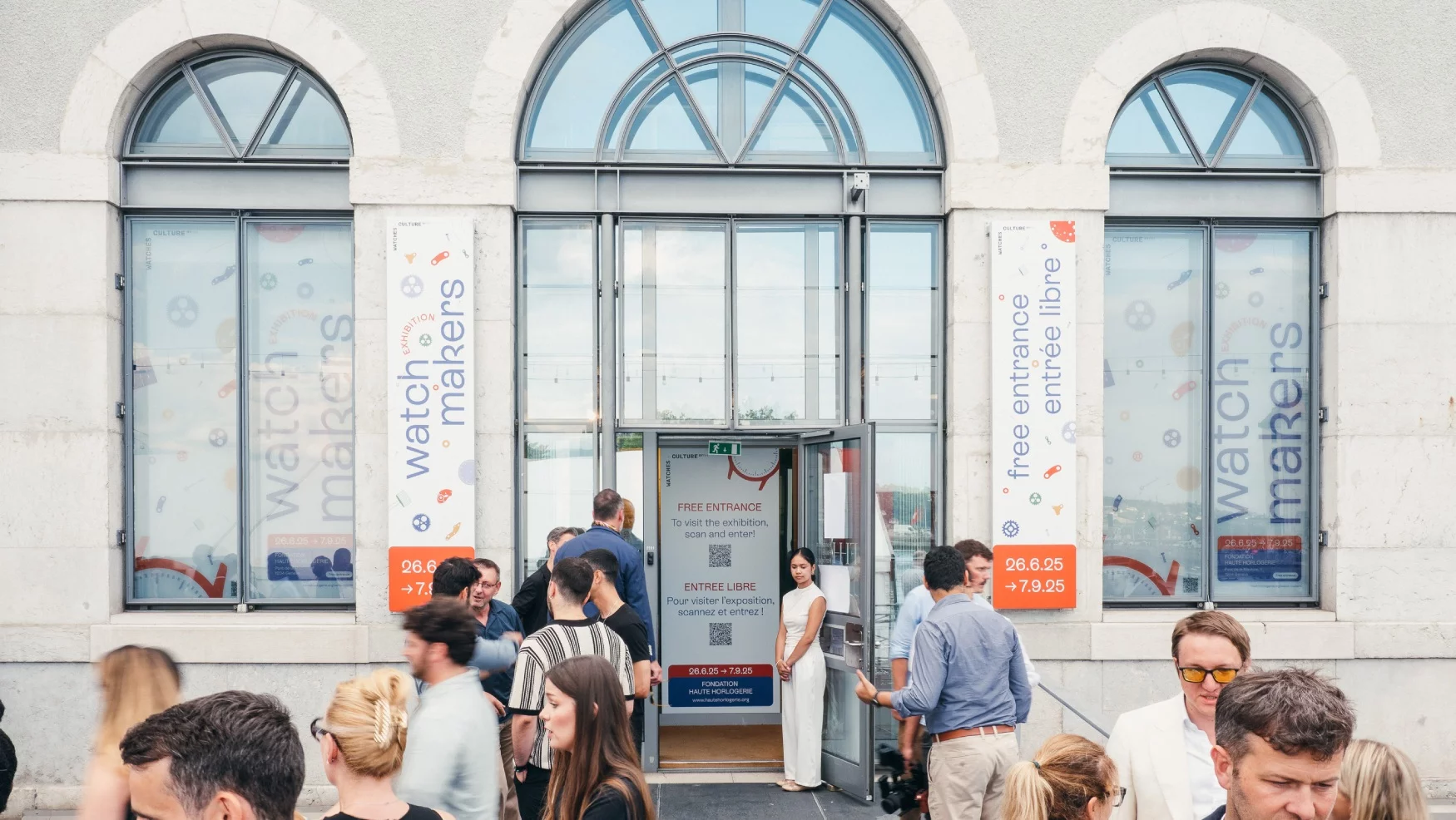
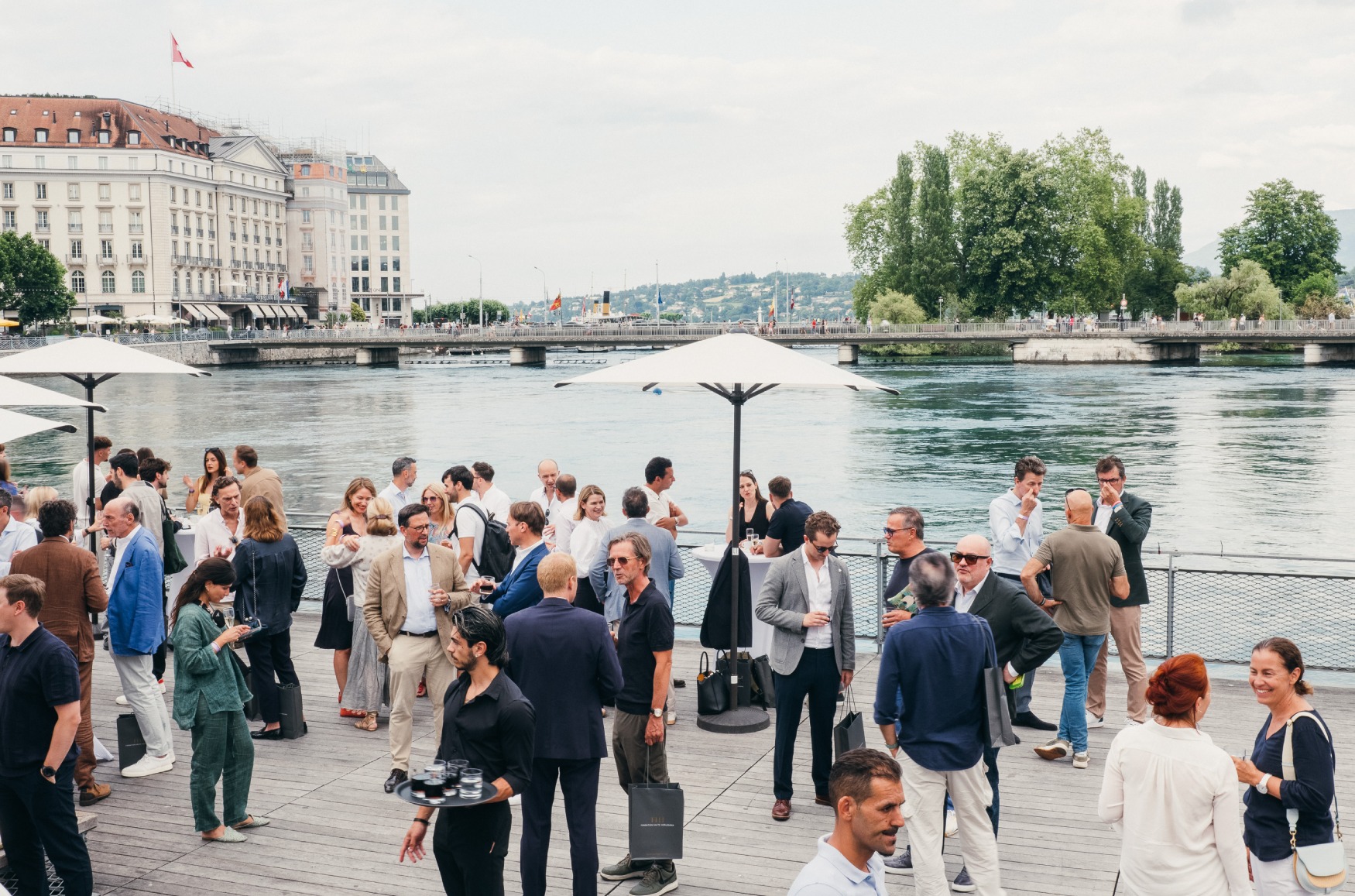
Russell SheldrakeLast week, I was lucky enough to be invited out to Geneva to the opening of the latest FHH exhibition, Watch Makers, and while I will get into more details on this later, it also marked the 20th anniversary of the FHH’s existence. We’ll get into exactly what the FHH is and does in a second, but to set the scene for you, we’re on the shores of Lac Léman in central Geneva as some of the biggest movers and shakers of the watch industry gather to talk about how watch culture has advanced in the last 20 years, and what they can do to help it go even further in the next couple of decades. I’m talking brand CEOs such as Ilaria Resta of Audemars Piguet and Patrick Pruniaux of Girard-Perregaux and Ulysse Nardin, as well as industry veterans like Oliver Müller of LuxeConsult and William Massena of Massna LAB, all gathered to mark this milestone for the foundation.
What is the FHH?

Let’s start at the beginning. For those uninitiated, the FHH, or Foundation Haute Horlogerie, was established in 2004 by three brands, Audemars Piguet, Girard-Perregaux, and the Richemont Group, with the unstoppable industry force that is Franco Cologni spearheading it. His motto at the time was “a legacy for tomorrow”, and it seems to have paid off, with it having grown from just three brands at the start to now partnering with 37 brands from across the industry.
I got the chance to speak with the pair currently leading the FHH, Vice Presidents Pascal Ravessoud and Aurélie Streit, during the celebrations, and when I asked them to sum up the current goal of the FHH in just one sentence, they gave interesting answers. Streit said “to make watchmaking accessible to all”, while Ravessoud came in with “to make people understand the true value of a watch, not just the resale value.” I like both of those approaches, as they demonstrate how the FHH aims to lower the barrier to entry for this industry and disseminate clear and accurate knowledge to everyone in an unbiased manner.

To achieve this goal, the FHH is split into three columns: Watches and Culture by the FFH, the FHH Academy, and the FHH Forum. All three of these attack this goal from a different angle. Watches and Culture is the content arm of the FHH. You may know their well-curated Instagram account, but they are also responsible for exhibitions, such as the one I attended, Watch Makers. This is the most public-facing arm of the FHH and where you will most likely have come across them. The Academy is the purely educational department of the FHH, and this is where they interact with professionals inside the industry to help train and educate them in what haute horlogerie truly means. They are also just about to launch an online programme that will be fully open to the public which will allow all of us to get the same level of education that the specialists do. And finally, the FHH Forum is where leaders of the industry are able to have open conversations, whether online or at in-person events, to help tackle to big topics of the day.
Why does the FHH matter?

There are those who buy watches that have little to no interest in what is going on inside them and what it takes to make them. But the FHH is not for those people, as Streit puts it, “we can help consumers to not just consume iconic pieces but to discover the rest of the collection. When you really want to appreciate a watch, it’s not because it’s iconic, it’s because it is interesting inside. That’s what we’re trying to explain.” And this is why I really enjoy interviewing two people who know each other very well, at the same time as it allows them to build off each other as Ravessoud does here, “a lot of people start by Rolex, Patek, etc, but some will want to know what is next, and that’s where we come in.”

The FHH sees itself as a bridge to help people discover more about the industry and watches in general. As we all know, walking into a boutique can be intimidating, even Streit admitted to feeling like this at times, and so to have some more knowledge that is being presented in a way specifically designed for you to progress on your journey can only be a good thing. Pruniaux lays out the unique position of the FHH quite nicely, “I don’t know if it exists in other industries, but the fact we have this body of multiple brands that have come together but they are not lobbying. It has a deep and genuine willingness to help the growth and education of watchmaking in general.”

As I mentioned above, the FHH works with 37 brands across the industry right now, with a main focus on the high end, think A. Lange & Söhne, Grönefeld, and Vacheron Constantin, but there are also a few more accessible names on this list, such as Oris and TAG Heuer. And while the original intent of the FHH may have been focused around the true craft end of the industry, Ravessoud, who has been with the FHH for 18 years, said that things have changed, “you can find excellence in many ways. It could be excellence in quality to price ratio, it could be excellence in manual finishing etc. We don’t want to be the police of fine watchmaking, saying these guys are good and these guys are not. We’ve done that in the past and it is not the right way to go about it.”

So now the FHH is looking to maintain and grow the position of our industry through growing education internally and externally, by offering these free resources to watch lovers and those who work in the industry, it is a sure-fire way to guarantee that understanding of what goes into a watch never dies out. But there is a key word there, free. As we all know, nothing in life is truly free, and let’s dig into what free means for the FHH next.
What challenges are the FHH facing?
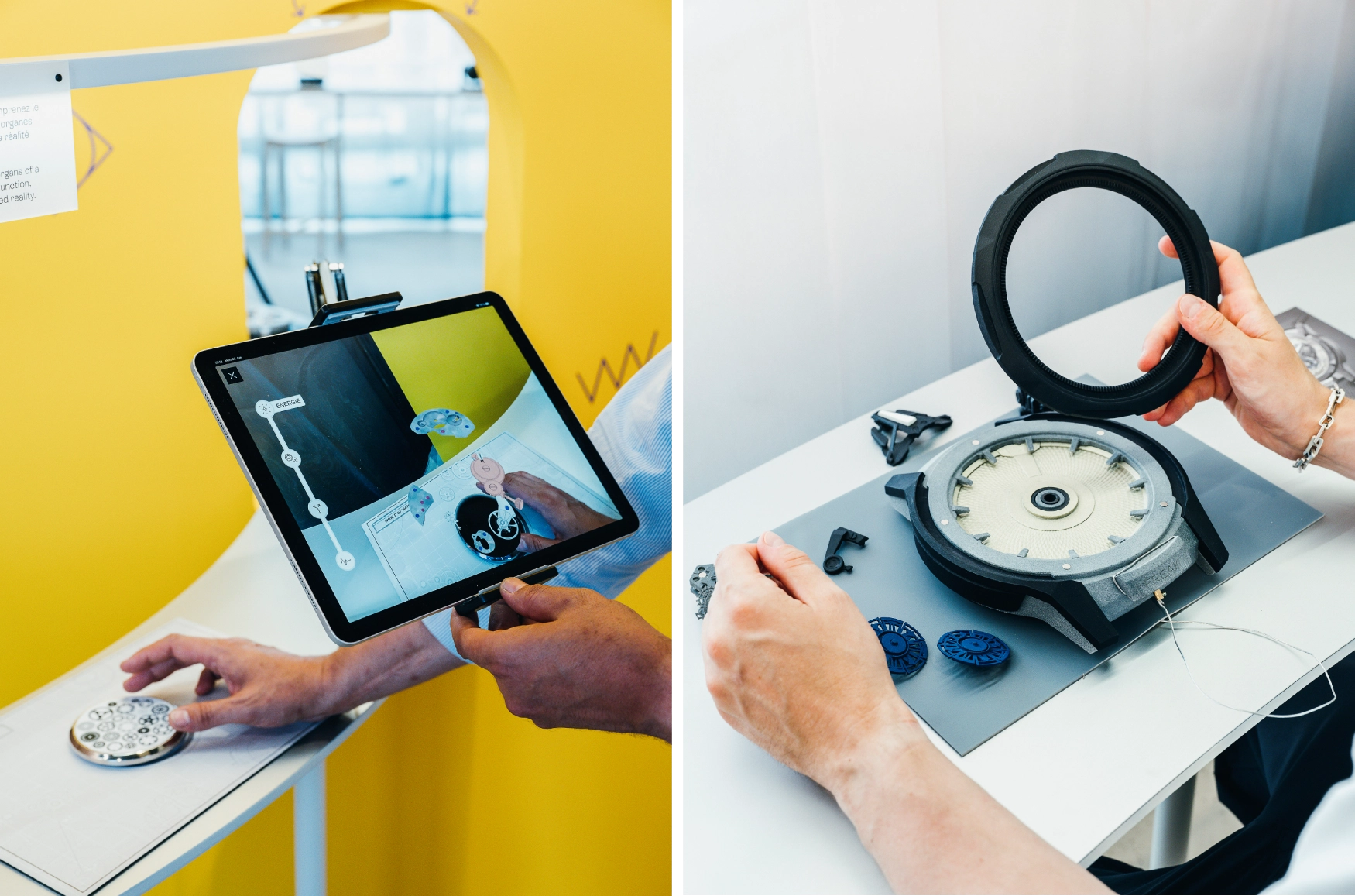
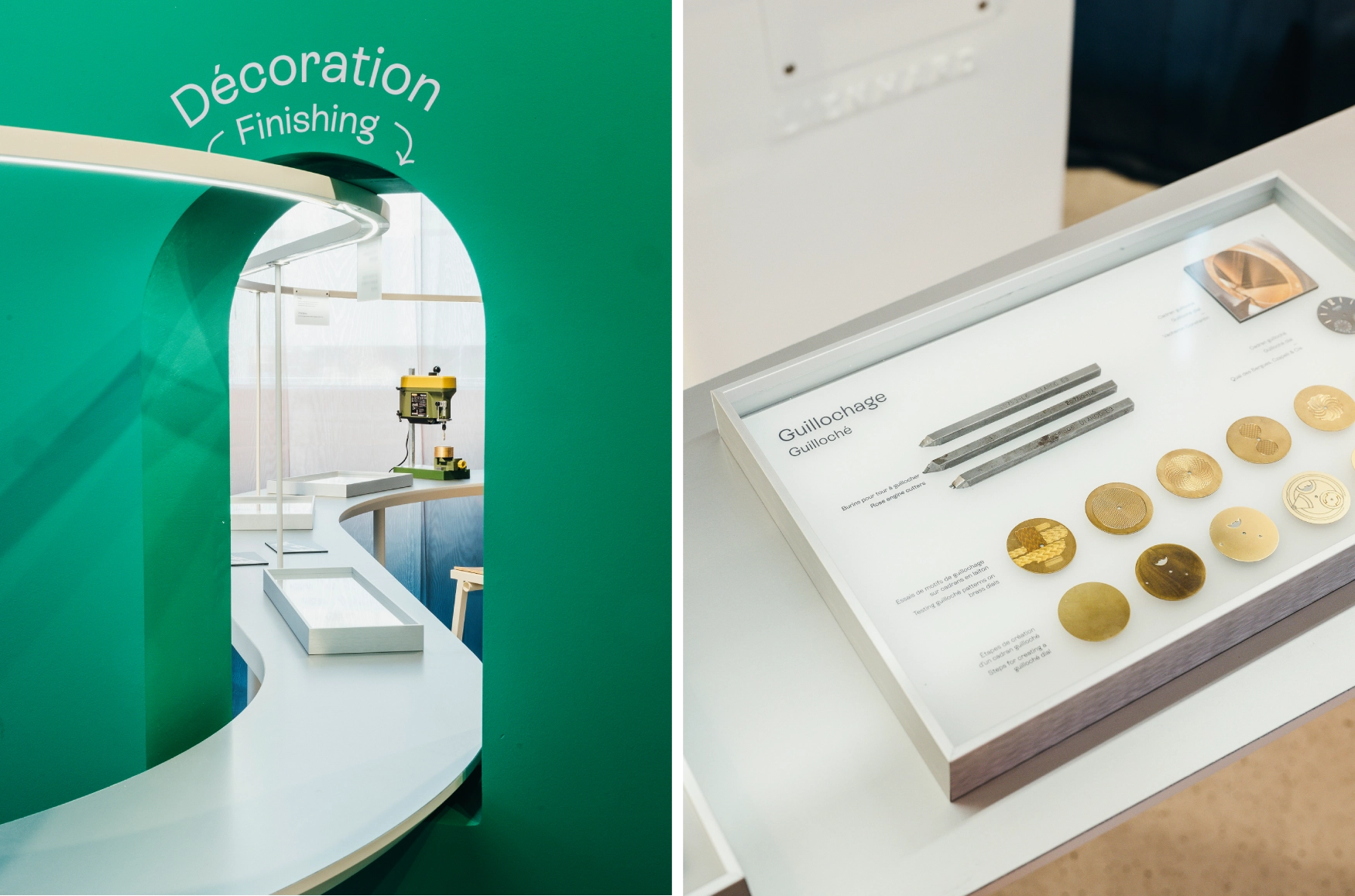
As we all know, the industry is in a tough spot right now. Global economic headwinds are making sales challenging, supply chains have been under stress, and the rising price of gold has been causing headaches for many. So when I asked Ravessoud and Streit what the biggest challenges are that they’re facing at the moment, money certainly came up. As Streit put it “the money, we want to do something free. That is the biggest challenge. We are continuing to work closely with our partner brands to do this.” And the Watch Makers exhibition being free to enter and enjoy is a massive accomplishment for the FHH, but if you get the chance to walk around, you can tell that it is not a cheap endeavour. You get the opportunity to understand many of the processes that go into making a watch with interactive and engaging displays, whether its understanding how a gear train works, to having a go at some perlage.
While the FHH is just as susceptible to the tricky conditions as the rest of the industry, it is protected purely by the sheer number of brands that it has partnered with. This is why Ravessoud is keen to onboard even more, “we want to be the foundation for the whole industry but we don’t have the whole industry yet. It’s not the biggest challenge, but it would be even easier if everyone was behind us. But like everything in watchmaking, things take time.” An area of large potential growth for the FHH is to look into the newer, younger, more exciting independent brands that have appeared over the last decade and have now proven themselves to display the qualities of “excellence” that Ravessoud mentioned before.
“I think the approach of Furlan Marri is quite interesting” says Ravessoud. “In terms of design, you look at a Furlan Marri from one metre away and you think it’s a Patek. It’s crazy. They didn’t just put a Japanese movement or quartz movement and do a different collection every year, they went the extra mile and differentiated themselves by doing the mechanical chronograph and then they did this calendar, which is very interesting. They are coming from humble beginnings, and they are wanting to go down this excellence path. So if Furlan Marri want to be a partner tomorrow, I would personally favour this approach.”
So could we see the FHH brand list expand in the same way we have seen the industry at large expand in the last few years? It’s hard to tell right now, for sure, the FHH want to remain selective in the brands they work with and to ensure the stories they tell, and the knowledge that they are transferring from these brands remains of the highest quality. Maybe one day they’ll get the biggest, crown-wearing fish in the pond to join, that would certainly solve a lot of financial troubles.
Why should we care about the FHH?

If you’ve made it this far into the article, it’s probably a safe assumption that you’re already deep into your watch journey, whether you’re a seasoned collector, or you love to read and learn about this topic, you’re sold on watches as a hobby of yours. And while there is a lot of talk about the FHH being there to educate, and you may feel like you don’t need much more of that, you will always be surprised at how much more there is to learn about watches. So while the FHH can be a wonderful entry point for some, they can go as deep as you like, with some of the most technical brands in our industry.

It can be easy for us as journalists to categorise collectors into age brackets, young guys like the more daring designs, old guys want tradition, etc, etc. But Pruniaux put it to me that this doesn’t give a very accurate picture, “it can be easy to describe watch lovers by generations, and I think it’s wrong and irrelevant. But what I notice, someone who is 60 years old has more in common with someone who is 25 because of their taste and passion, or journey in watchmaking. Today, you have a lot of young enthusiasts that buy a lot of vintage, the same way older collectors have done for decades. So I don’t think it can be defined by generation, but rather education journey in the world of watchmaking.” And it is this journey in the world of watchmaking that the FHH cares more about and helps people progress along.
But why can’t you just get that level of education from your local AD or boutique? Pruniaux has an answer for this too, “a group of brands coming together to talk about the culture makes more sense than just one brand doing so. It’s a robust, unbiased, information, and fact-driven venture. It’s unbiased because you already have to deal with very different brands.” So while going into a brand boutique will allow you to learn about that brand’s history and way of communicating, the FHH offers a standardisation that can be found nowhere else in the industry. As Streit puts it, “brands are doing more and more for education, whether its through museums or experiences and exhibitions. But it is complementary to what we are doing. And our exhibition is thanks to them. We collect experiences from brands. We have the chance to visit all the manufactures and bring their experiences together.”
And they are not just offering this to us end consumers, but they are actively going out to brands and helping train their staff in these crucial areas, as many of us would have experienced a time where we are in a store and suddenly discover the sales associate we’re dealing with knows very little about watches in general and is just reading form a script. So not only is the FHH there to improve your personal watch journey, but they could be indirectly affecting your watch buying experience.
Whether you choose to interact directly with the FHH or they are working away in the background, they have likely affected your journey in watches, and they look set to do so even more as time goes on. This is an incredibly unique organisation; it is very rare in any industry for a group of brands to come together in this way for the betterment of all, and not to lobby a government. The idea that high tides rise all ships is incredibly prevalent in the industry today, and while we are growing, on the world stage we are still small, and require bodies such as the FHH to protect our core and most precious values. It has changed a lot in the last 20 years, as has the industry, and it appears to be doing its best to keep up, which only fills me with confidence that I will be at the press conference for it when it is celebrating its 40th anniversary.