



Status on the wrist: how I navigated watch etiquette in South Korea’s corporate culture
Jason LeeWristwatches in South Korea function as more than timekeepers. In many offices, they operate as quiet social signals that intersect with hierarchy, workplace expectations, and consumer habits – and wearing the right (or wrong) watch can make a huge difference. This article outlines the historical background and the norms that guide interpretation at work and watch culture in South Korea more broadly.
A brief history of watches and watchmaking in Korea

Pocket watches arrived in Korea in the late 19th century as Western goods entered through newly opened ports. By the early 1900s, watches were advertised in major cities, and wristwatches began to appear soon after. Early adoption framed the watch as a practical emblem of modernity rather than a luxury collectible.

Organized watch production in Korea began in 1959, primarily assembling mechanical wristwatches from imported components. After 1977, domestic manufacturers shifted toward quartz watches. By the late 1980s, output had scaled into the tens of millions of units annually, much of it for export. Romanson (now within J.Estina) became a recognisable local brand with a significant overseas footprint. In recent years, renewed interest in mechanical watches has encouraged the growth of Korean microbrands, including Pitzmann and independent makers such as Minhoo Yoo.

Luxury watches became broadly visible in (South) Korea later than in Europe or Japan. As Korea industrialised in the 1960s–1980s, Swiss and Japanese brands became easier to obtain, but high‑end Swiss models remained concentrated among elites. Market liberalisation in the 1990s widened access and retail presence. Today, international luxury watch brands are highly visible in major Seoul retail districts, even as smartwatches account for much of day‑to‑day wear.
Hierarchy and workplace norms
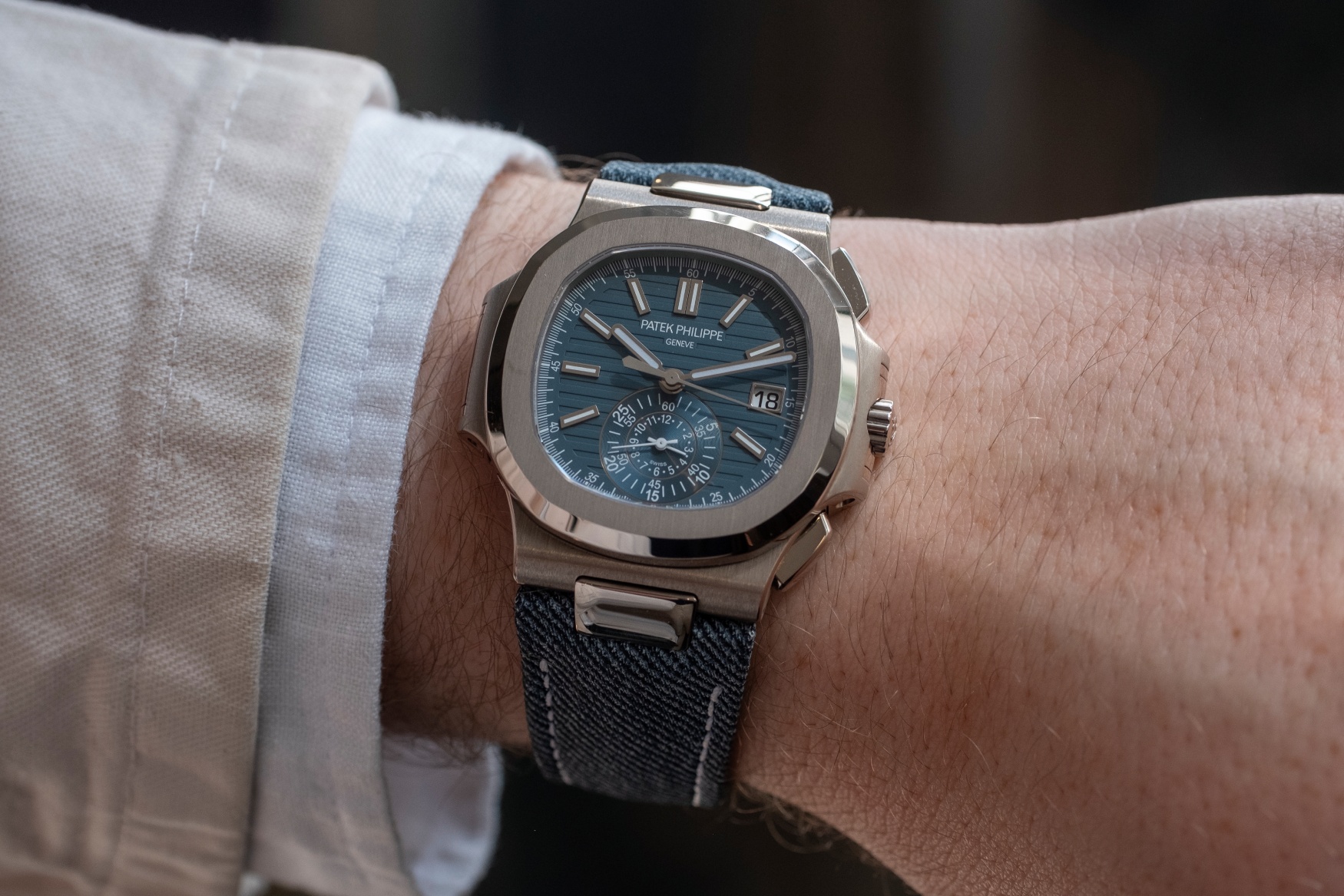
Korean corporate life remains structured by hierarchy informed by Confucian norms around age, role, and deference. Even small age gaps can shape forms of address, and job titles carry practical weight in decision‑making and in how quickly trust is extended. While practices vary by company and industry, a consistent pattern is that subtle signals matter. Watches form part of the cue system employees use to assess context, particularly in large conglomerates, client‑facing services, and traditional sectors. In these settings, junior staff are generally expected to avoid highly conspicuous luxury items.

The issue is less ownership than visibility and timing: a watch strongly associated with seniority may be read as premature status signalling early in one’s tenure, whereas senior managers typically have greater latitude and draw less scrutiny. Smartwatches, however, are widely regarded as primarily functional and socially neutral; because they are common across age groups and job levels, they are often the default for employees who wish to limit social interpretation.
Case study: passion and protocol in practice

The following account reflects my experience in a Korean firm. It is one data point, but it aligns with patterns I have seen elsewhere.
Weeks 1–3: Early impressions. I wore a modest steel sports watch during my first weeks. Colleagues noticed. Comments like “Nice watch” and “Big first‑week choice” sounded friendly, but I wasn’t sure whether they were compliments or cautions. In meetings, a pattern emerged: associates mostly wore smartwatches; mid‑level managers favoured slim dress pieces; recognisable luxury models appeared on senior staff.
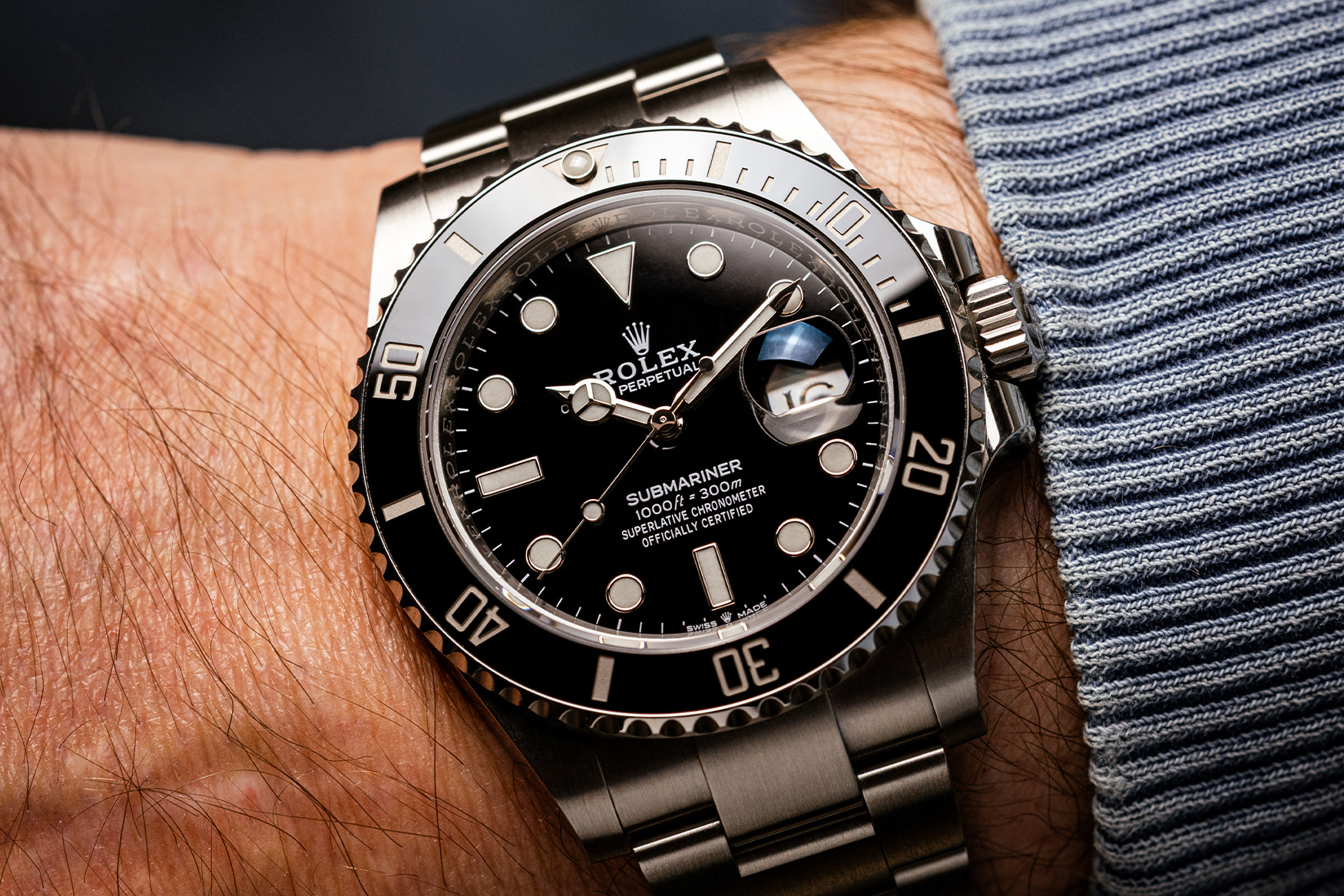
Months 1–2: Adjustments. I rotated to smaller, simpler watches and used a smartwatch on client‑heavy days. Attention dropped immediately, which confirmed that visibility—more than price—was the issue. A senior colleague offered direct advice: in the first year, keep the watch “invisible.” The point wasn’t cost but legibility. Certain bezels, bracelets, and silhouettes are recognisable at a glance and will be read accordingly, regardless of intent.

Context matters, too. When a teammate returned from an engagement celebration with a new luxury watch, everyone congratulated him. The same brand that might have looked conspicuous on a newcomer read as a milestone gift in that context. At a client dinner, a partner asked about my watch, and we discussed its design for a few minutes. Later, a colleague quietly reminded me that visible enthusiasm can be misread as self‑promotion if it becomes a theme.
Milestones and the market
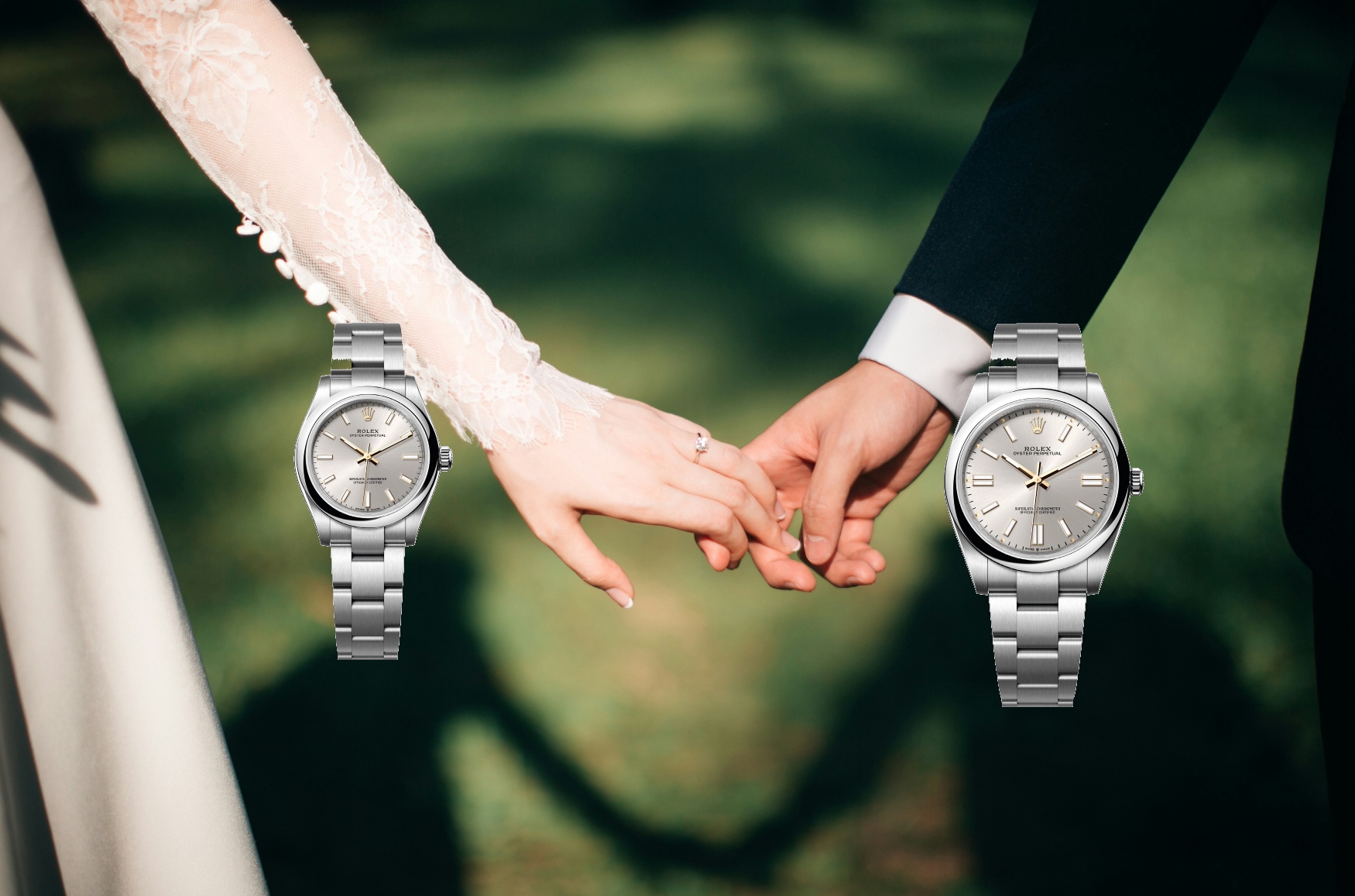
For many buyers in Korea, watches are linked to life events—graduations, promotions, weddings—more than to collecting. Because these gifts are worn in family and professional settings, recognisability matters, steering demand toward brands that are easy for non‑enthusiasts to identify. Outside of milestone purchases, some frequent luxury buyers are influenced by visibility and scarcity, concentrating on high‑profile, limited‑availability models from established brands. As a result, the market for niche microbrands and independent makers remains comparatively small.
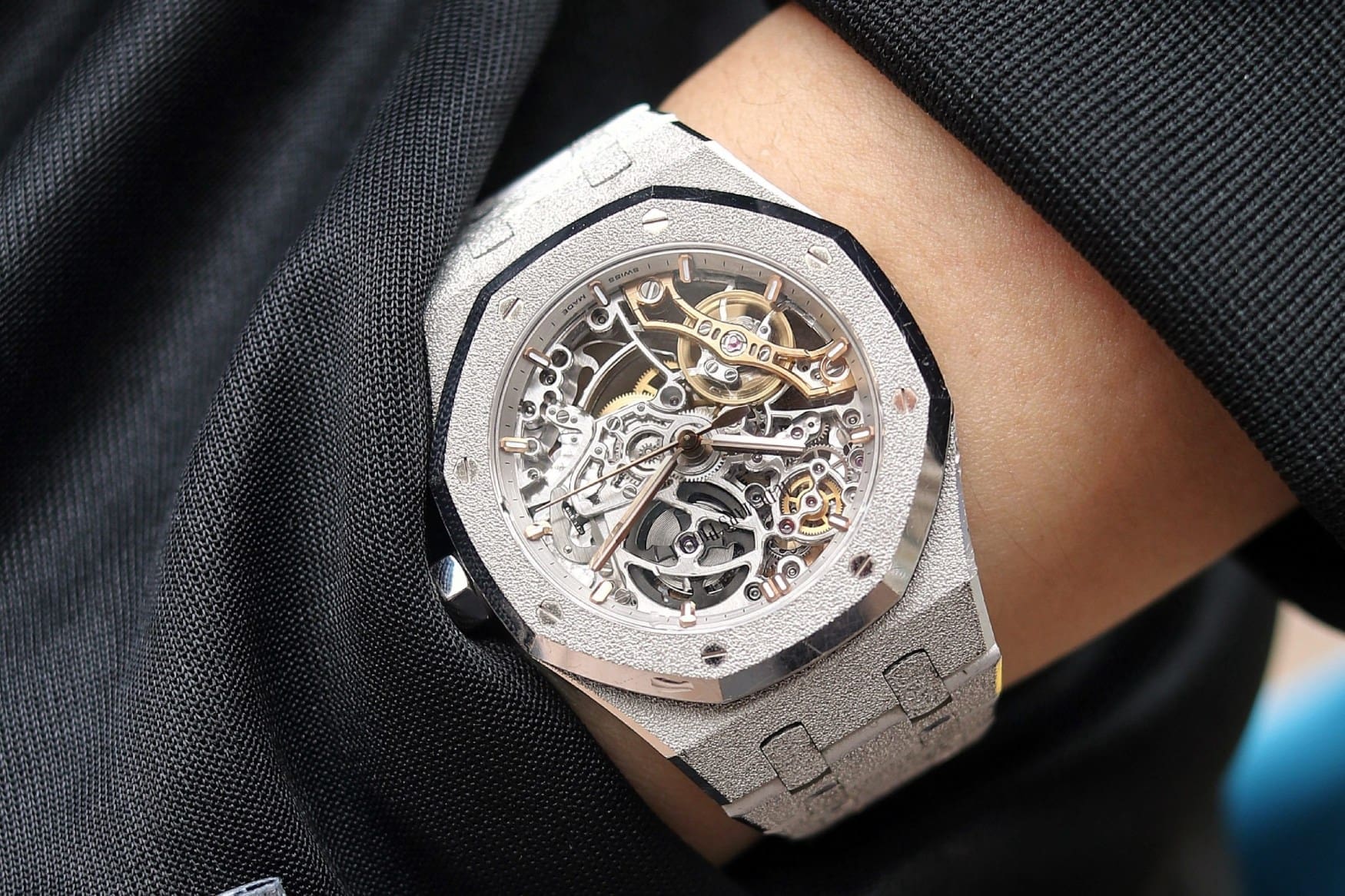
In terms of brands that are popular in Korea, in the luxury segment, global names with strong recognition—think Rolex, Audemars Piguet, and Patek Philippe—are highly visible in major retail districts. Cartier’s classic models (e.g., Tank, Santos) are frequently selected as gifts. In the upper‑mainstream range, Omega is broadly familiar, while Tudor’s presence in department stores and duty‑free channels makes it a routine step‑up option for first‑time mechanical buyers. For daily practicality, smartwatches from Apple and Samsung remain the most widespread across roles and age groups.
This concentration of attention around well‑known names influences workplace etiquette. A conspicuous model may carry social meaning beyond the wearer’s intent, while quieter or less recognisable pieces generally invite fewer assumptions.
Closing thoughts

Watch etiquette in South Korea’s corporate culture sits at the intersection of history, hierarchy, and consumption patterns. The same object can be read as a tool, a gift, or a status marker depending on who wears it, when, and where. Approaching the wrist as a site of communication—conscious of timing, visibility, and audience—helps professionals align personal preferences with workplace norms.