


Why a watch with an animal‑skin strap shouldn’t be your only watch
Jason LeeI’ve been collecting watches for more than a decade, and there’s one pattern I can’t ignore: every time I buy a watch on an animal‑skin strap—calf, alligator, lizard, ostrich—it’s the first piece I grow tired of. Sooner rather than later, it migrates to the sales pile, while my bracelet‑equipped sports watches keep getting wrist time. That isn’t a condemnation of leather as a category; a great strap can flatter a dial, slim a profile, and deliver genuine elegance. But if you’re choosing one watch to wear most days and across most situations, an animal‑skin strap is rarely the smartest default. Here’s why.
The fatigue factor is real
Straps dictate a watch’s mood more than most of us admit. An animal‑skin strap tends to lock in a particular palette and vibe—usually conservative and formal. That’s perfect when you want it, and confining when you don’t. Brown or black leather is timeless, but it narrows your choices: a navy knit polo and white sneakers feel fine; a technical shell or running gear feels wrong. Even swapping between similar leathers doesn’t break the spell—the overall read remains dressy. After a few months, the sameness can dull the emotional spark that tempted you to buy the watch in the first place.
Bracelets, by contrast, act like a neutral frame. Steel, titanium, and even ceramic bracelets fade into the background, letting the dial carry the interest. They pair with tailoring, denim, gym kit, and everything in between because the material language is utility first. If you change your wardrobe or your routine in a given week, the bracelet keeps up without asking questions.
Versatility is the bracelet’s superpower
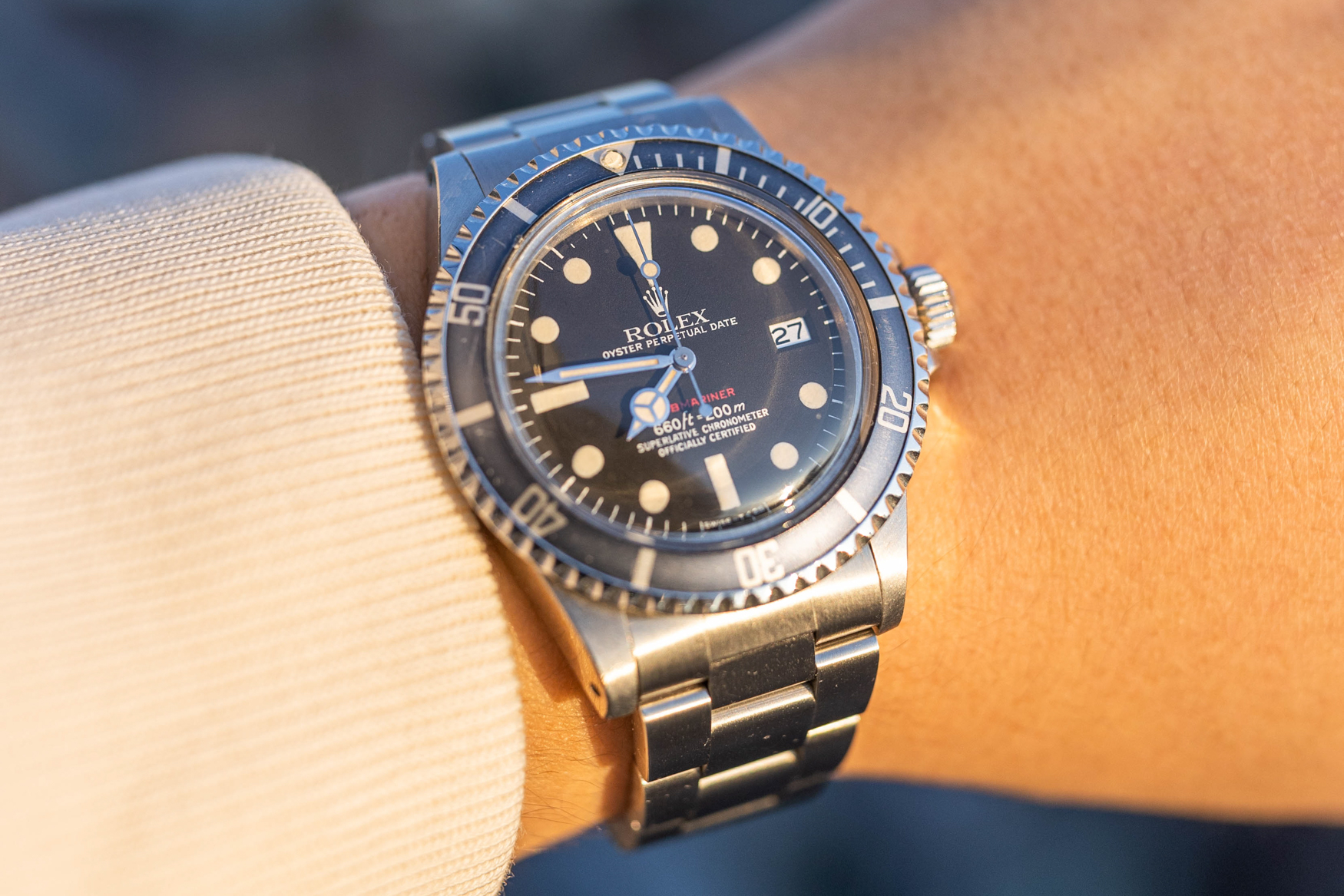
A well‑executed bracelet gives you a range you can feel. Modern micro‑adjust clasps accommodate daily swelling and seasonal changes, which translates to real‑world comfort. The added durability means you’re not babying the watch on a commute or in a sudden downpour. And aesthetically, bracelets harmonise with more dial colours and case finishes than any single strap ever could. That’s why so many of the truly “wear‑everywhere” references—think of the classic integrated designs or the bread‑and‑butter dive watches—arrive on bracelets by default.

Also, if your one‑watch collection starts on a bracelet, you can still add personality with occasional strap changes. You’re expanding from a flexible baseline instead of fighting a formal one.
Rubber and fabric: the exceptions that prove the rule
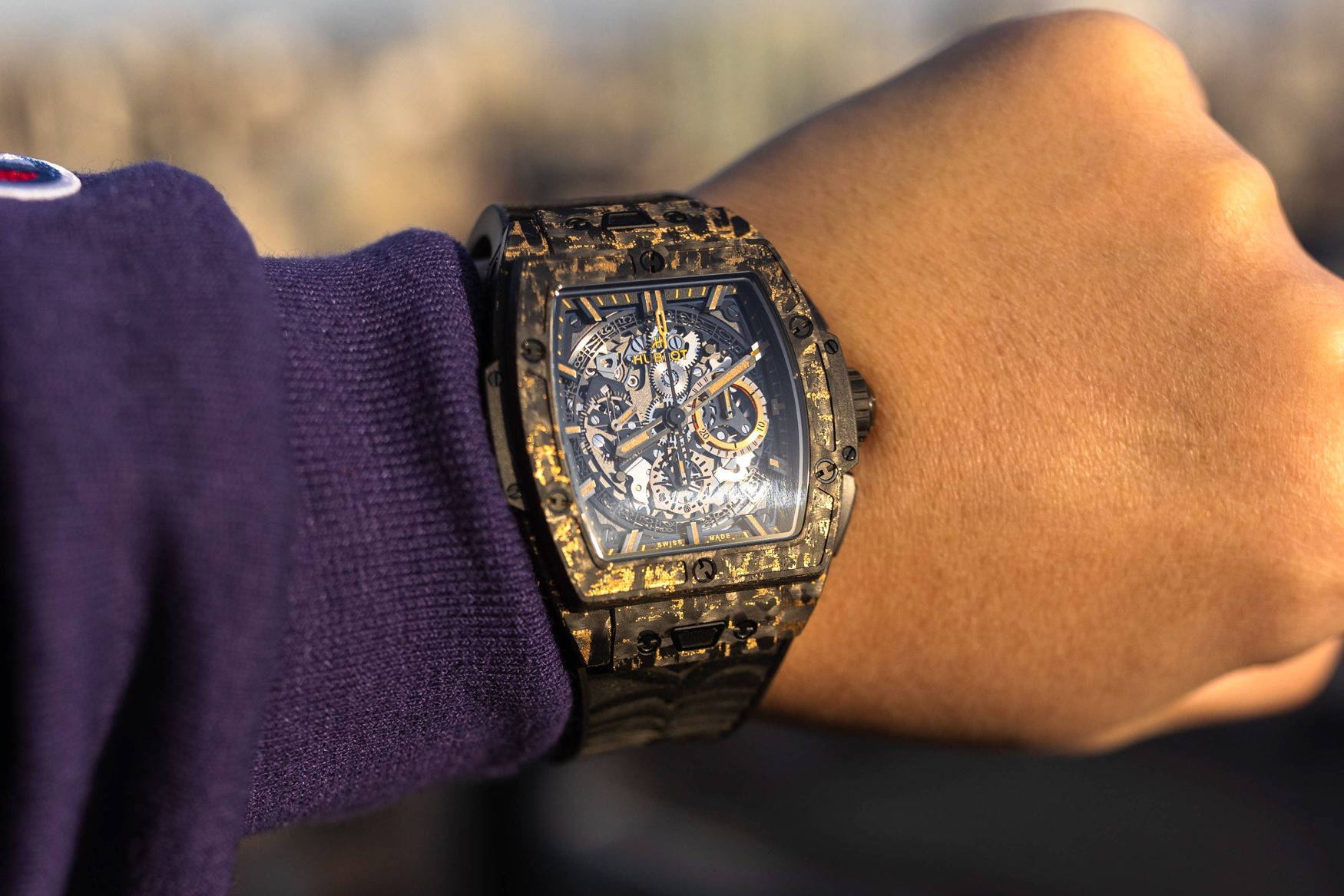
Rubber and fabric avoid the pitfalls that make animal skin a tricky “only watch” choice. Quality FKM or vulcanised rubber brings comfort, water resistance, and a sporty, contemporary mood. It’s easy to clean, plays nicely with heat and sweat, and instantly modernises even a fairly conservative case. Fabric and textile—NATO, sailcloth, canvas—deliver similar benefits with a slightly softer look. They add texture and colour without committing you to the more formal codes of leather. Both materials keep a watch feeling dynamic and “alive” over longer stretches of wear, particularly if your lifestyle pulls you between desk and weekend.
Formality versus reality

There’s no question: leather is the traditional choice for formal dress. On a slim watch with balanced proportions, a well‑made strap can be unbeatable with a suit. But everyday life in 2025 isn’t tux‑and‑tails. Most of us need a watch that can move from laptop sessions to school runs, from flights to impromptu dinners—sometimes in a single day. For that reality, formality can become friction. Rubber and fabric can dress up more than purists admit (a dark, tapered textile on a clean three‑hander looks entirely appropriate at most business lunches), while a bracelet with a brushed finish remains the surest “no‑wrong‑answer” for the majority of settings.
Ethics matter, too

It’s also worth acknowledging the ethical dimension. However you approach the topic, animal‑skin straps come with animal welfare considerations that some buyers can’t square with an everyday essential. Yes, there are gradations—some tanneries pursue certifications and better traceability—but standards vary widely, and the picture is not uniform across the industry. (“Vegan leather” is its own ethical minefield, too.) If you’re aiming for a single, go‑anywhere watch that aligns with a more mindful wardrobe, rubber or fabric simply removes a layer of complexity.
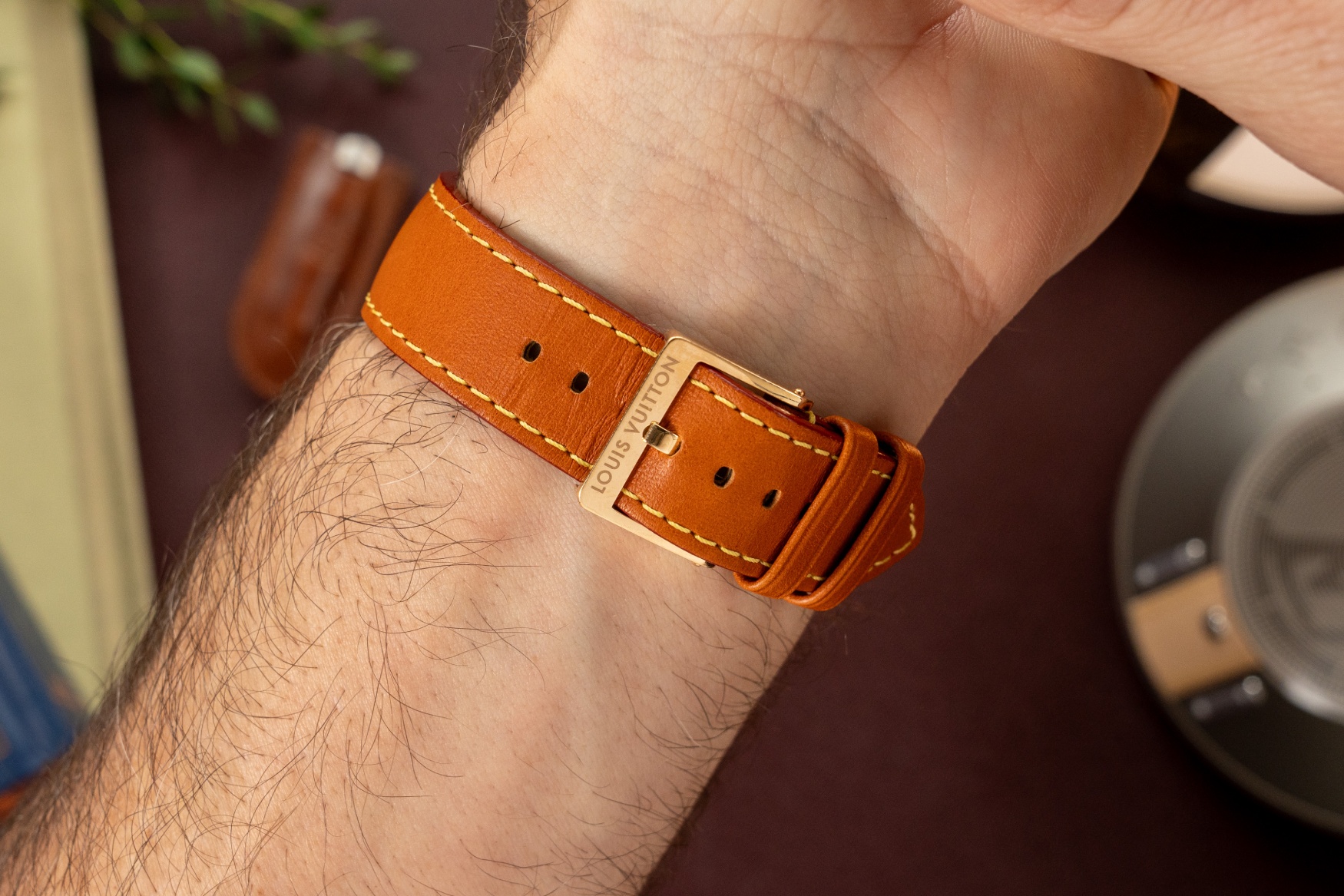
More directly, I believe killing animals for a non‑essential fashion accessory is ethically wrong. An animal‑skin strap exists because an animal was killed. Calf leather is often described as a by‑product of the meat and dairy industries, but the outcome is the same—a life taken and a supply chain that monetises the hide. For exotics like alligator, crocodile, or lizard, animals are typically farmed and culled primarily for their skins, with welfare standards and oversight that can be uneven and hard to verify. When robust, long‑lasting non‑animal options are readily available, it’s difficult to justify that trade‑off for something as optional as a watch strap. If you prefer your daily wear to reflect a lower‑harm stance, avoiding animal skins is a straightforward step.
Heat, sweat, and the reality of wear
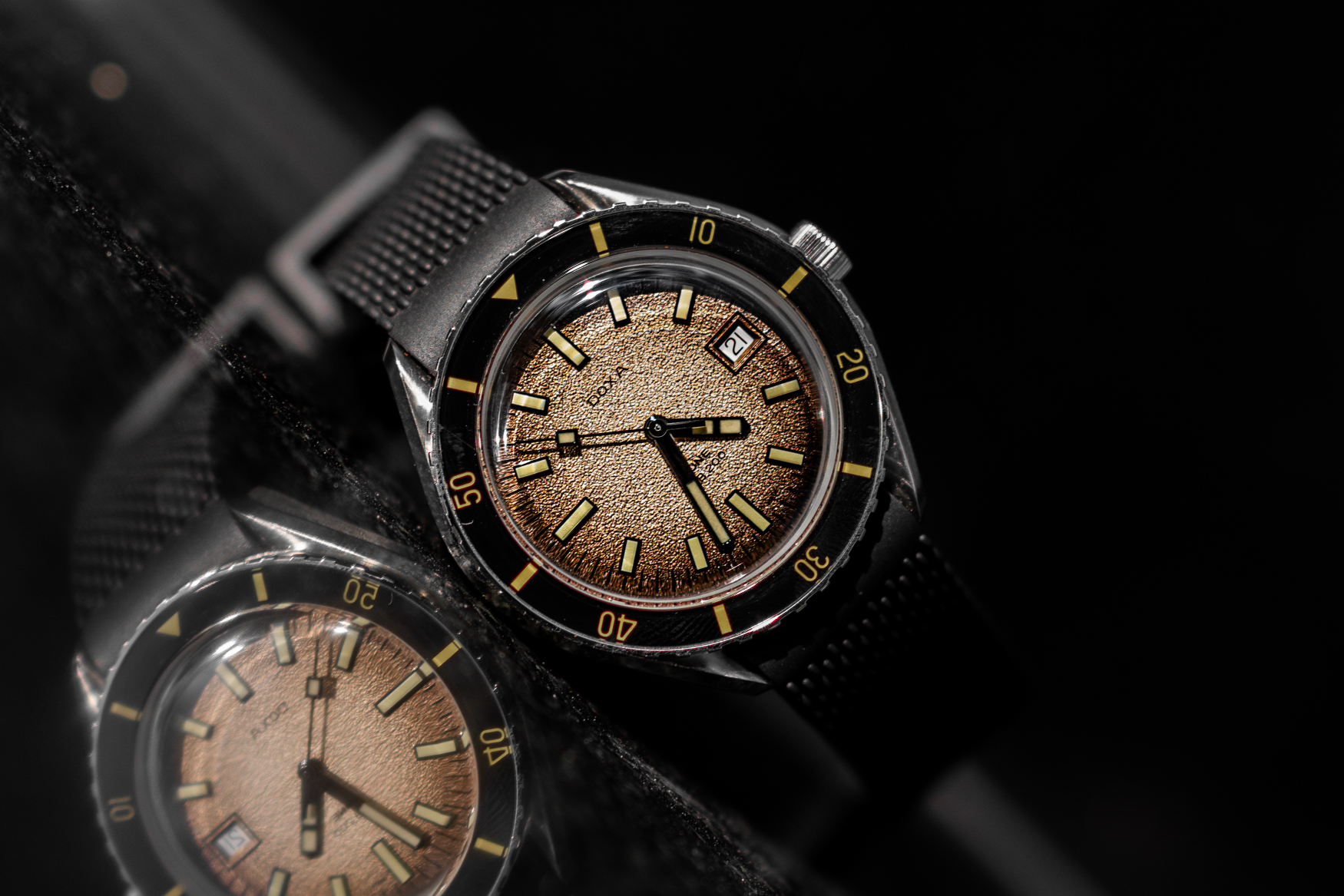
Even the best leather has a shorter service life when worn hard. Heat, humidity, and perspiration degrade leather more quickly than metal, rubber, or most textiles. Over time, you’ll see darkening at contact points, stretching at the holes, salt rings, and cracking where the strap flexes. Adhesives can fail, stitching can fray, and odour can creep in. Some people don’t mind a bit of patina; others find the transition from crisp to tired abrupt and disappointing. If it’s your only watch, that accelerated wear rate becomes a real cost—both financial and emotional.

Rubber and fabric shrug off the same conditions. A quick rinse restores them. A NATO soaked at the beach? No problem. A rubber strap after a run? Wipe and go. That ease reduces the friction of daily wear and extends the period where the watch feels “like new”.
Closing thoughts

Animal‑skin straps have their place. They can be beautiful, tactile, and absolutely right on the right watch, in the right moment. But as the foundation for a one‑watch life, they introduce more constraints than they solve. You’re more likely to tire of the aesthetic, you’ll contend with faster wear in everyday conditions, and you may inherit ethical questions you’d rather not navigate at the register. A bracelet gives you neutrality and longevity; rubber and fabric give you comfort and resilience. Start with one of those, and you’ll maintain versatility while avoiding durability and ethics pitfalls.