


The minor upgrade that sealed the deal on the Tudor Black Bay 58 for me
Jason LeeVintage-inspired timepieces are no longer a niche in contemporary watchmaking; they’re a mainstream strategy. With few exceptions, most major brands now keep a pipeline of vintage revivals drawn from their archives. The pattern is familiar: identify a beloved reference, distil its most recognisable cues, and reissue them with modern reliability and manufacturing standards. Examples abound: Zenith’s Chronomaster Original, Blancpain’s Fifty Fathoms, and of course, Tudor’s Black Bay family. The calculus is straightforward. What’s never been done before is riskier and more likely to miss, while a tasteful revival almost guarantees a baseline of demand, especially when it leans on models that already enjoy a cult following.
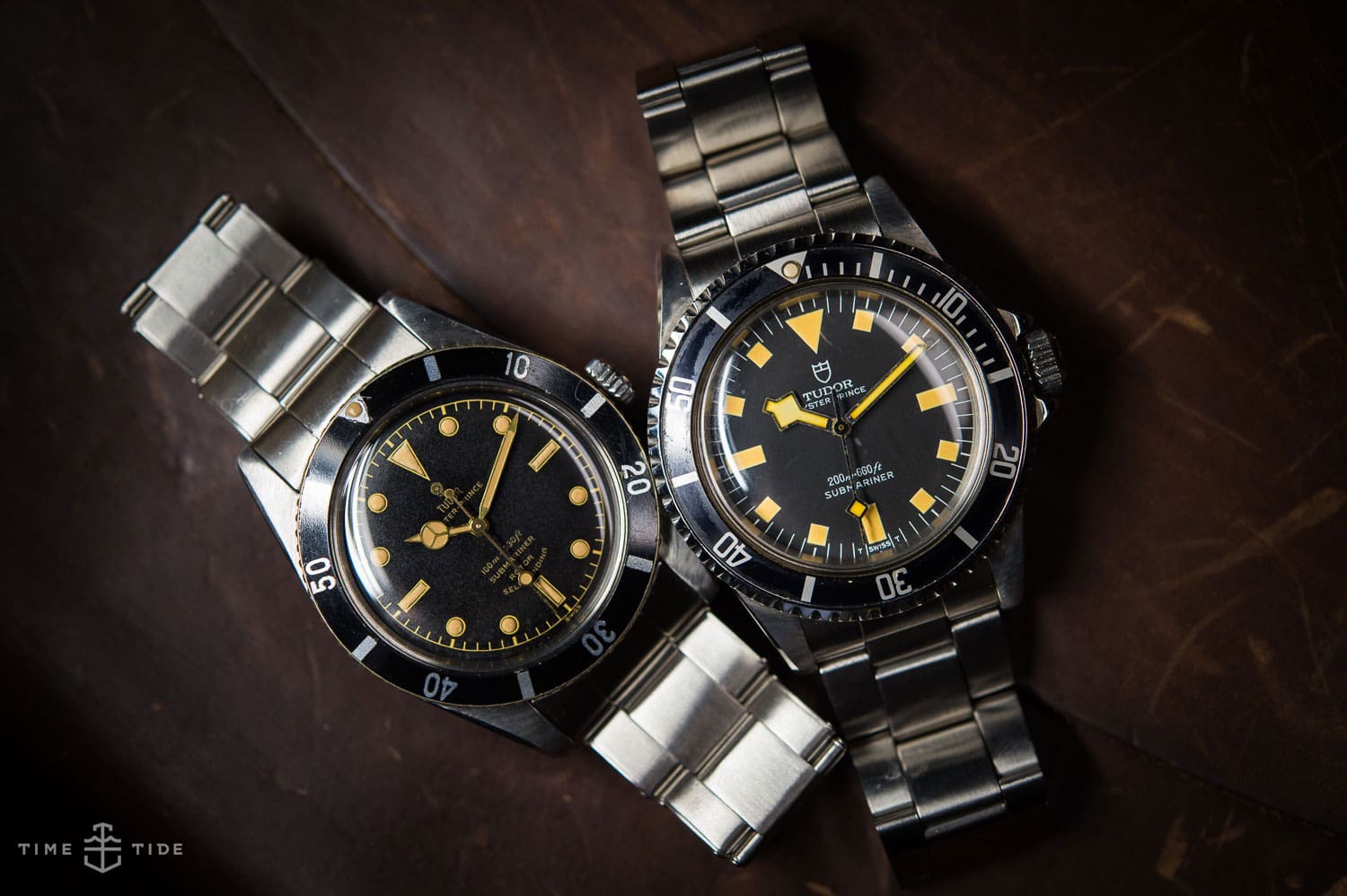
From a product and marketing perspective, heritage is an asset you can amortise. A vintage-inspired watch offers instant context, credibility, and a ready-made story. It’s easier to position, easier to photograph, and easier to explain at the counter: “This is the modern interpretation of our [insert legendary diver or chronograph].” For many buyers—especially those new to mechanical watches—the romance of history paired with a warranty card is compelling. For brands, these releases are also operationally predictable. The design language is proven; the supply chain can be optimised; the risk of polarising innovation is minimised. In short, vintage revivals are the safety strategy of our era.
Enter the Black Bay 58

Plenty of brands embraced the vintage wave earlier, but Tudor’s Black Bay 58 set the modern benchmark for how successful a revival can be. Although Tudor produces at scale and its watches are generally obtainable, the 58’s original run generated long waitlists at authorised dealers. That response said something important: executed with the right proportions and details, a historically inflected watch can command near-hype levels of demand without artificial scarcity. In my view, the Black Bay 58 was the first vintage-inspired piece to hit that specific combination of mainstream popularity and enthusiast credibility, establishing a template that other brands have since adopted with vigour.
Why the 58 works
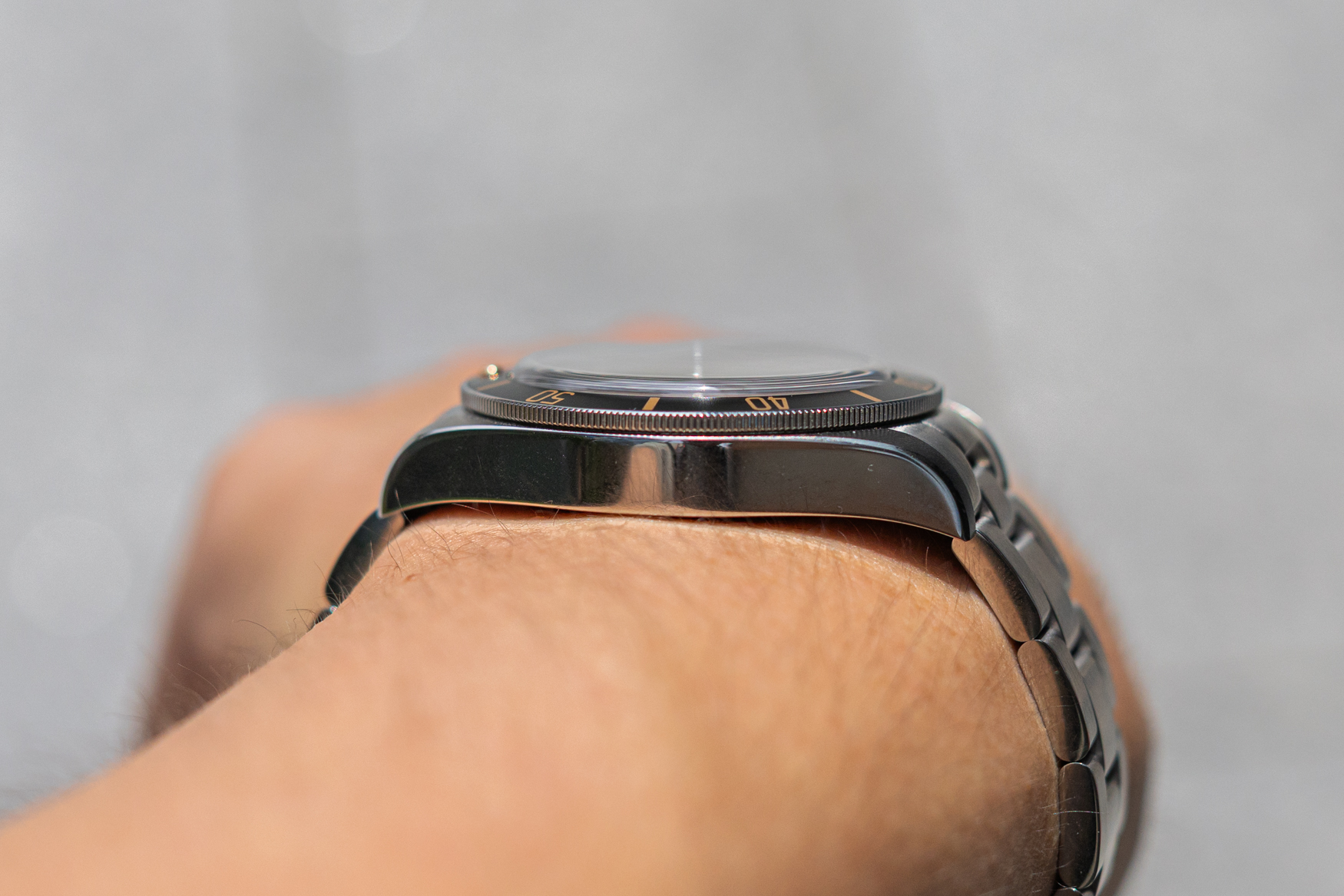
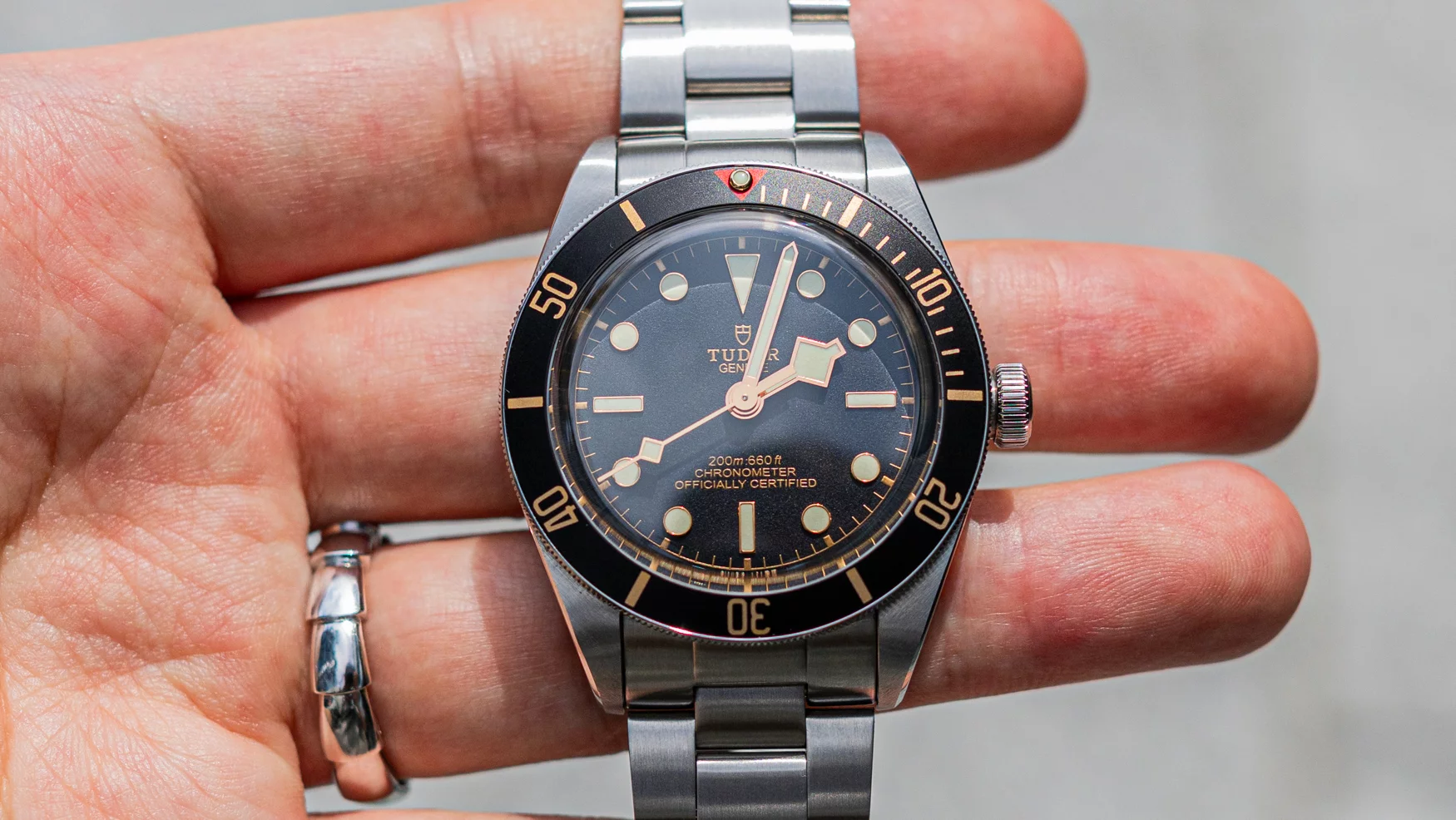
I bought my first Tudor in the winter of 2019, and it was the Black Bay 58. Coming from a collection that included multiple Rolex and Audemars Piguet references, I was struck by just how dialled-in the 58 felt on the wrist. The recipe is familiar to anyone who loves mid-century tool watches: sharply cut chamfers along the lugs, snowflake hands, maxi hour markers, and a perfectly judged 39 mm case that wears balanced and compact. It channels the spirit of vintage Rolex and Tudor Submariners without falling into cosplay. The watch doesn’t merely reference history; it internalises the lessons of those earlier designs about legibility, proportion, and everyday practicality.
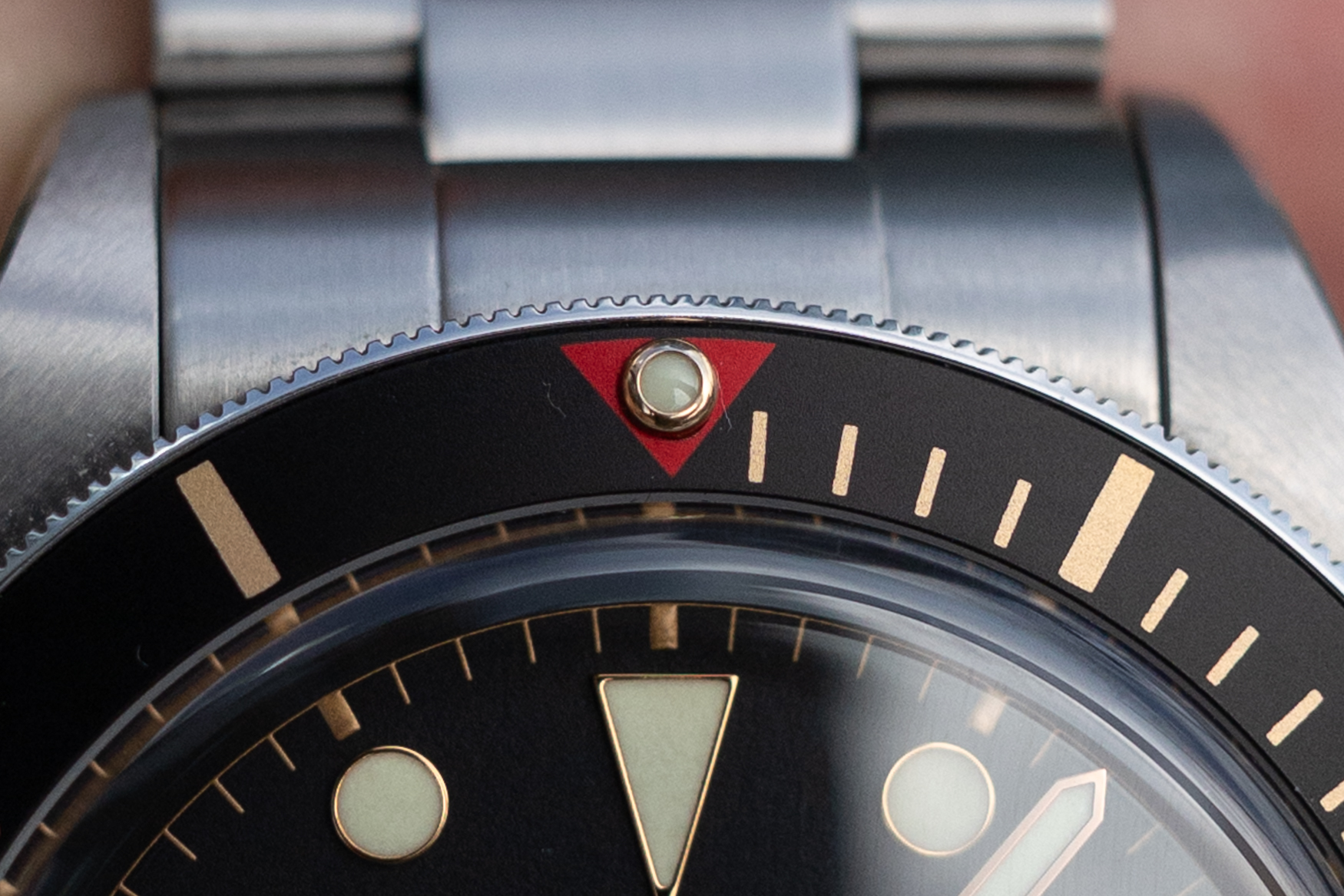
Aesthetically, the “gilt” treatment—gold-toned text and bezel accents—has divided enthusiasts. Some find it an affectation; a sepia filter applied to an otherwise modern object. I never shared that view. On the Black Bay 58, the gilt notes add warmth and depth, giving the dial a touch of period charm without overwhelming the composition. They read as character, not caricature. In an era when many sports watches feel aggressively clinical, that warmth is part of the 58’s appeal; it’s a watch that looks great in real life, not just in macro photography.
But there’s just one pain point
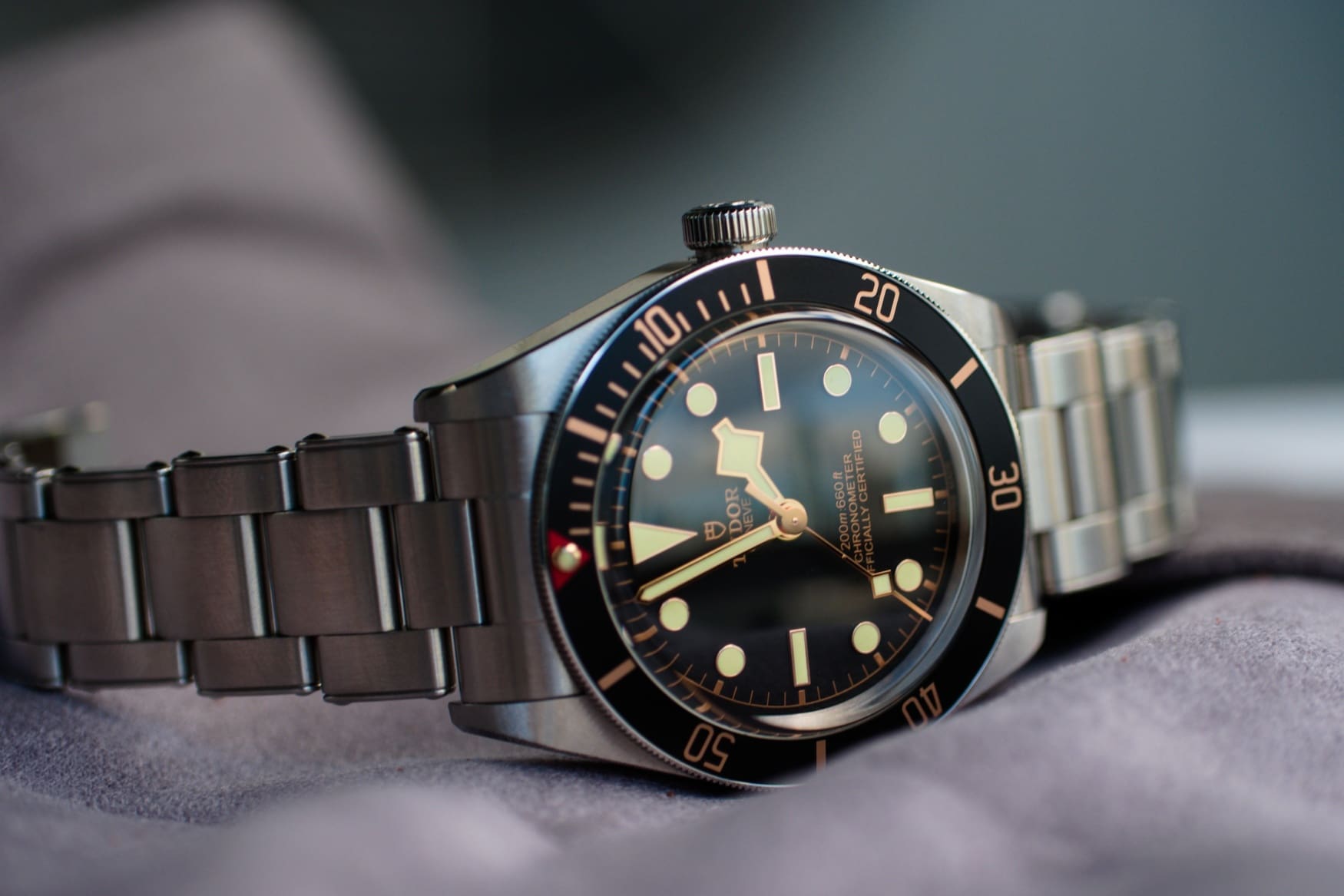
If there is one element that consistently held the 58 back for me, it’s the bracelet’s faux rivets. Intended as a nod to mid-century manufacturing, the decorative rivet heads break the visual line of the links and, to my eye, cheapen an otherwise superb design. Over the past seven years since the watch’s initial release, I have bought—and sold—the Black Bay 58 (and the 54) more times than I care to admit. Each time, the faux rivets became the design flaw I couldn’t unsee. I’m far from alone; many enthusiasts voice the same frustration. In a watch that gets so much right about proportion and detail, the bracelet feels like a pastiche too far, for some of us.
A simple fix that transforms the watch

Fortunately, the market has a way of correcting for small missteps. In recent years, several third-party makers have introduced Oyster-style bracelets compatible with the Black Bay 58’s case and OEM clasp. Swap one in (mine is from Uncle Seiko) and the entire watch snaps into focus. The lines are cleaner, the silhouette more coherent, and the overall aesthetic better aligned with the tool-watch ethos the head unit telegraphs. Crucially, this change doesn’t alter the essence of the 58; it reveals it. The case, dial, and bezel suddenly feel like they’ve found the bracelet they were asking for all along.

With that bracelet swap, the Black Bay 58 becomes, in my judgment, one of the most complete daily-wear watches you can buy under US$8,000. You get a versatile 39 mm diver with real heritage, excellent finishing for the price, and modern reliability, all wrapped in a package that works equally well on a suit sleeve or a weekend jacket. For enthusiasts who appreciate vintage charm but require modern durability, there are few options as balanced.