


How TAG Heuer won me over: the Carrera Glassbox got me interested, but carbon got me hooked
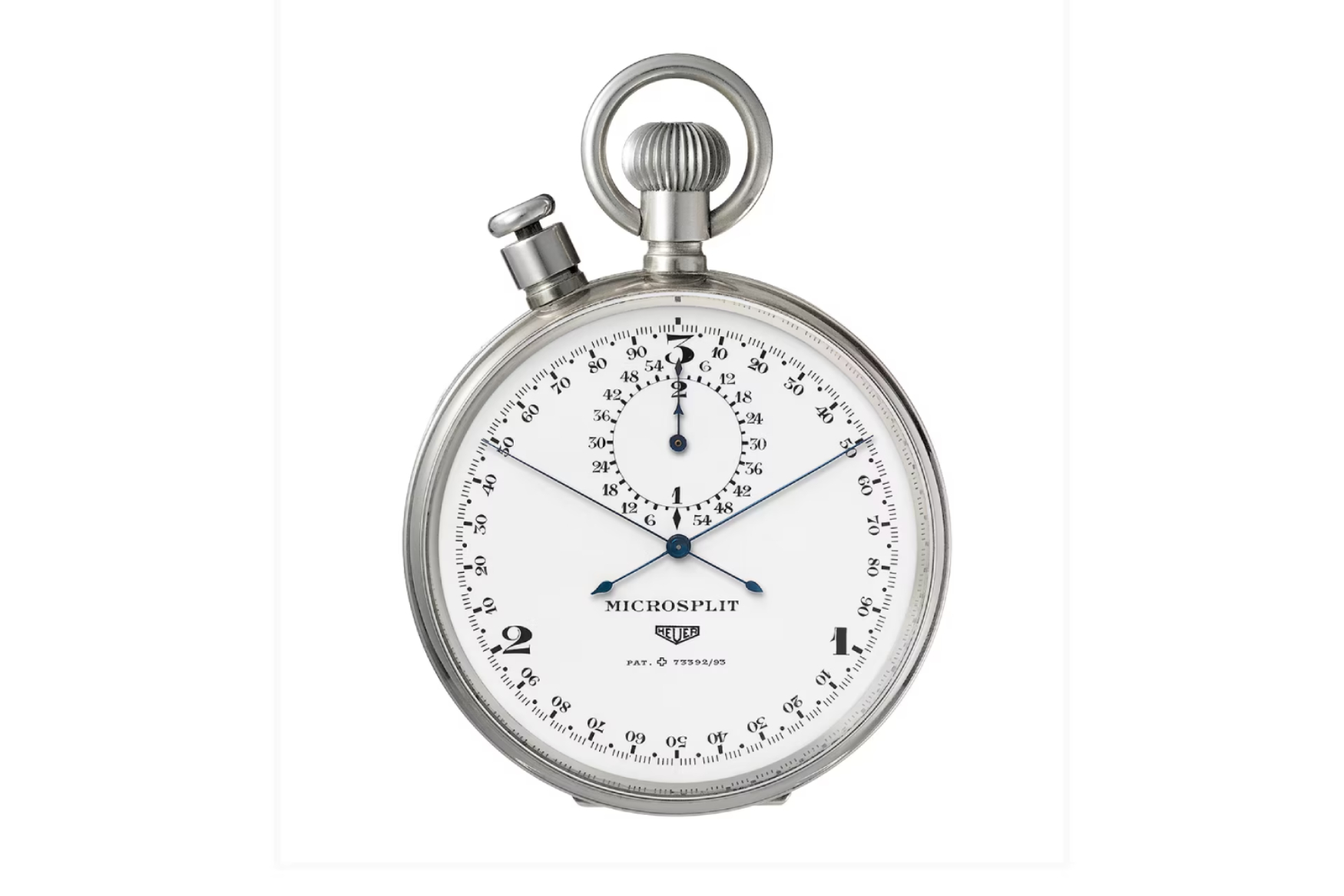
Andrew O'ConnorI think it is easy to understand watch enthusiasts who are fans of vintage Heuer Carreras, Autavias, and Monacos. (TAG) Heuer has a rich history of developing chronographs, starting with the Mikrograph and Microsplit stopwatches developed in the early 20th century. With a surplus of watch-making history, racing involvement and celebrity connections, the brand has all of the 20th-century clout one could ask for.
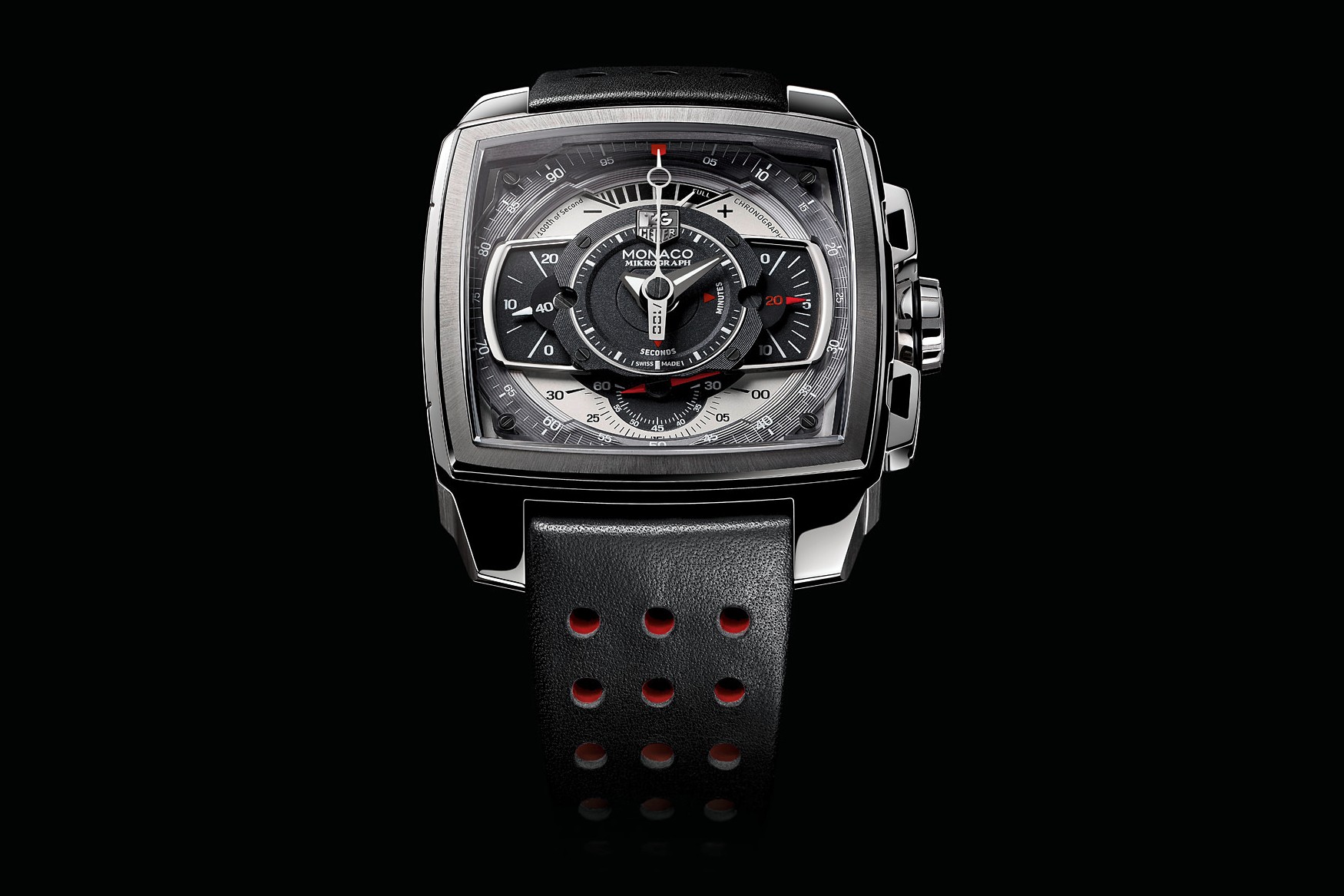
Surviving the quartz crisis and selling mechanical timepieces on the other side of that tumultuous period, the modern version of the brand started when Heuer became TAG Heuer in 1985. TAG Holdings S.A. stood for “Techniques d’Avant Garde,” and the company was responsible for developing technologies for aerospace and motorsports, seamlessly tying into Heuer’s horological legacy. They greatly modernised the brand’s production, leading to the sale of TAG Heuer to LVMH in 1999, where it remains today. Since then, they’ve had several significant developments, including the Monaco Mikrograph, which can track 1/100th of a second at COSC accuracy; the Mikrogirder, which measures 1/2000th of a second and utilises a linear oscillator instead of a balance wheel; or the recent Monaco Split-Seconds Chronograph…
Yet despite exhibiting all the traits of a brand that should be easy to love, why has it taken me so long to connect with TAG Heuer?
Some personal background
Growing up in the Midwest of the United States, the population of my hometown was about 300,000 at that time, which isn’t considered a small town, but obviously is not a big city either. When my active watch enthusiasm began to take shape around 2010, the only watch store in town was a Rolex dealer, but they carried little else in terms of brands that enthusiasts would get excited about it. I think the closest TAG Heuer retailer was located a three-hour drive away. When I moved to western New York for university, I was elated to see that the greater metro area where I was going to live was around 1 million people! I was excited to see all the things to do, and obviously see what watch stores were around.

Things were slightly better, as there were a few dealers that carried some big brands, but I quickly learned something about the business. This still was not a large market, so the new, exciting, and coveted timepieces did not come to these stores. If they did, it was only on special request, or a few years after their original release.

Dealers also knew what their clients would buy, and often what budgets they operated in. That meant brands had clearly defined boundaries set by the stores, and models that stretched into another “boundary” price-wise were often not carried, even if it was the brand’s most iconic model. As I moved a few more times for my education and life, living in similarly sized cities, I only saw more of the same. Occasionally, I would meet a very well-connected dealer who would get new watches quickly, but most of the time it was the same display of watches that sold, but not much that was exciting for a watch enthusiast.

What this meant for my relationship with TAG Heuer was that my interaction with the brand was limited largely to quartz Formula 1 and Aquaracer models. To even see a Carrera of any kind, let alone a Valjoux-based chronograph model, was a rarity. I don’t think I ever saw a Monaco in a retailer, making getting any hands-on time with one to practice my Steve McQueen or Stephen Colbert impressions was nearly impossible. I think I saw my first automatic Aquaracer chronograph on the wrist of one of my professors during my undergraduate education, and I don’t think I knew anyone who personally owned a TAG Heuer before then.
Turning a corner with new leadership
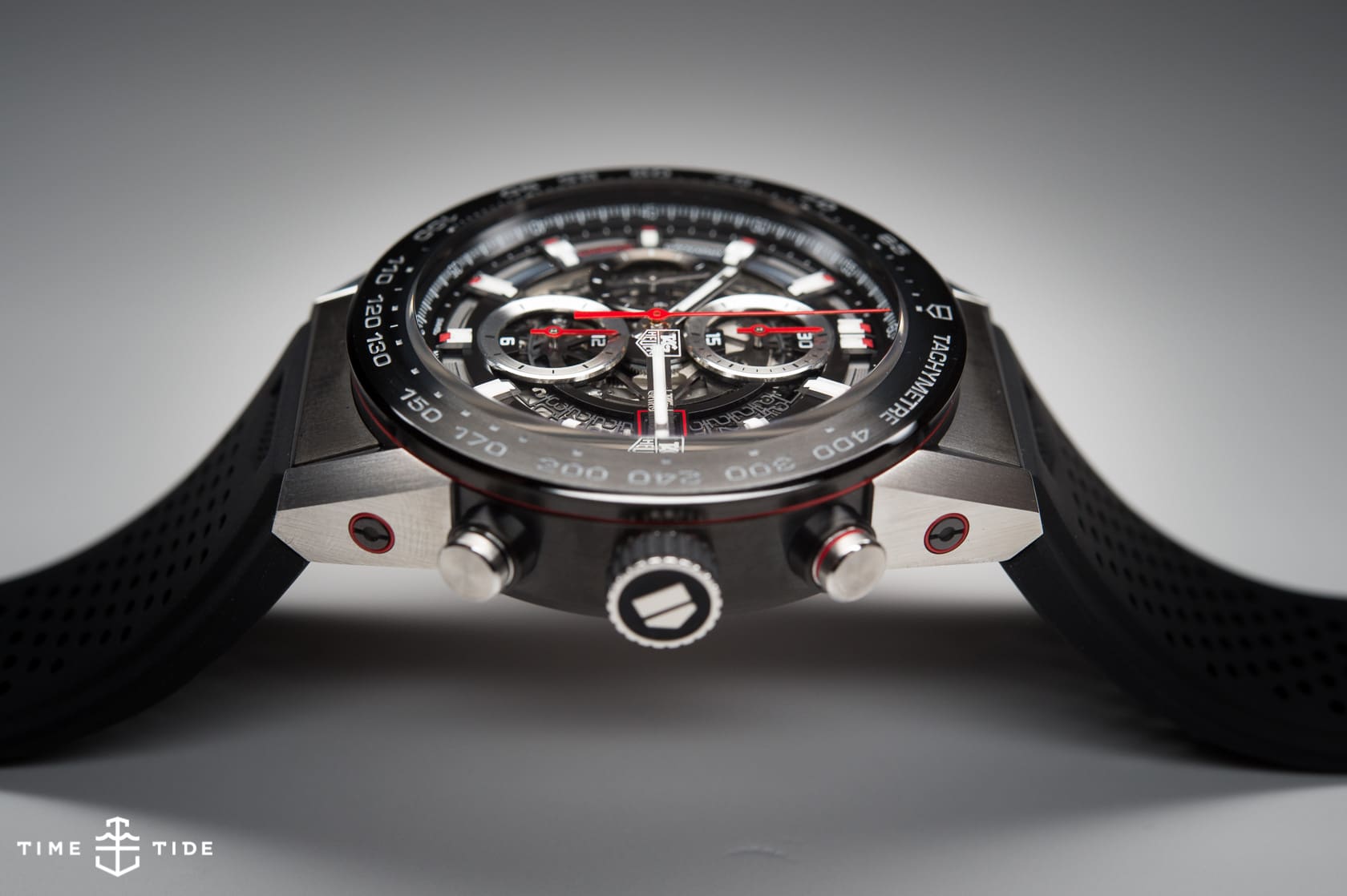
In stark contrast with my early interactions with the brand, TAG Heuer has been on a monumental ascendency in the last 10 years. The modern upward direction of TAG Heuer really started in my eyes with the arrival of Jean Claude-Biver in 2014. This brought the arrival of skeletonised Carreras and what was at the time the most affordable Swiss tourbillon on the market, let alone one with a chronograph. In a way that only Biver knows how, he managed to draw attention to the brand and get watch buyers interested.

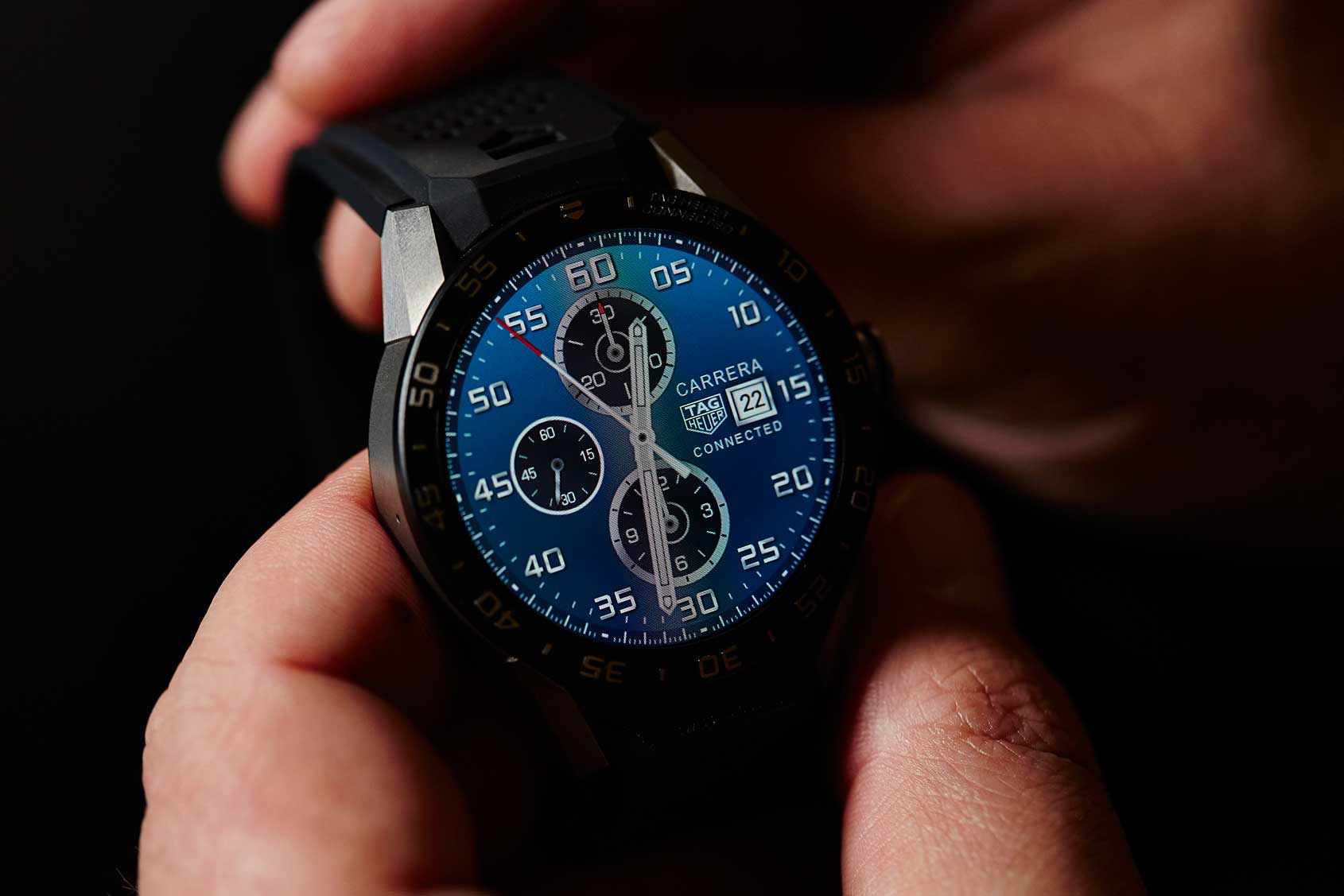
There was also the first TAG Heuer Carrera Connected, aimed to get people into the brand, offering a trade-up policy allowing Connected owners to trade their watch in towards a mechanical watch. I also started to see more elaborate TAG Heuer displays in jewellery stores that made way for more models in the display cases, including the new, and very large, skeletonised Carreras. While I physically couldn’t wear these watches, I was excited to see stores start to carry more watches that I thought enthusiasts could get excited about.
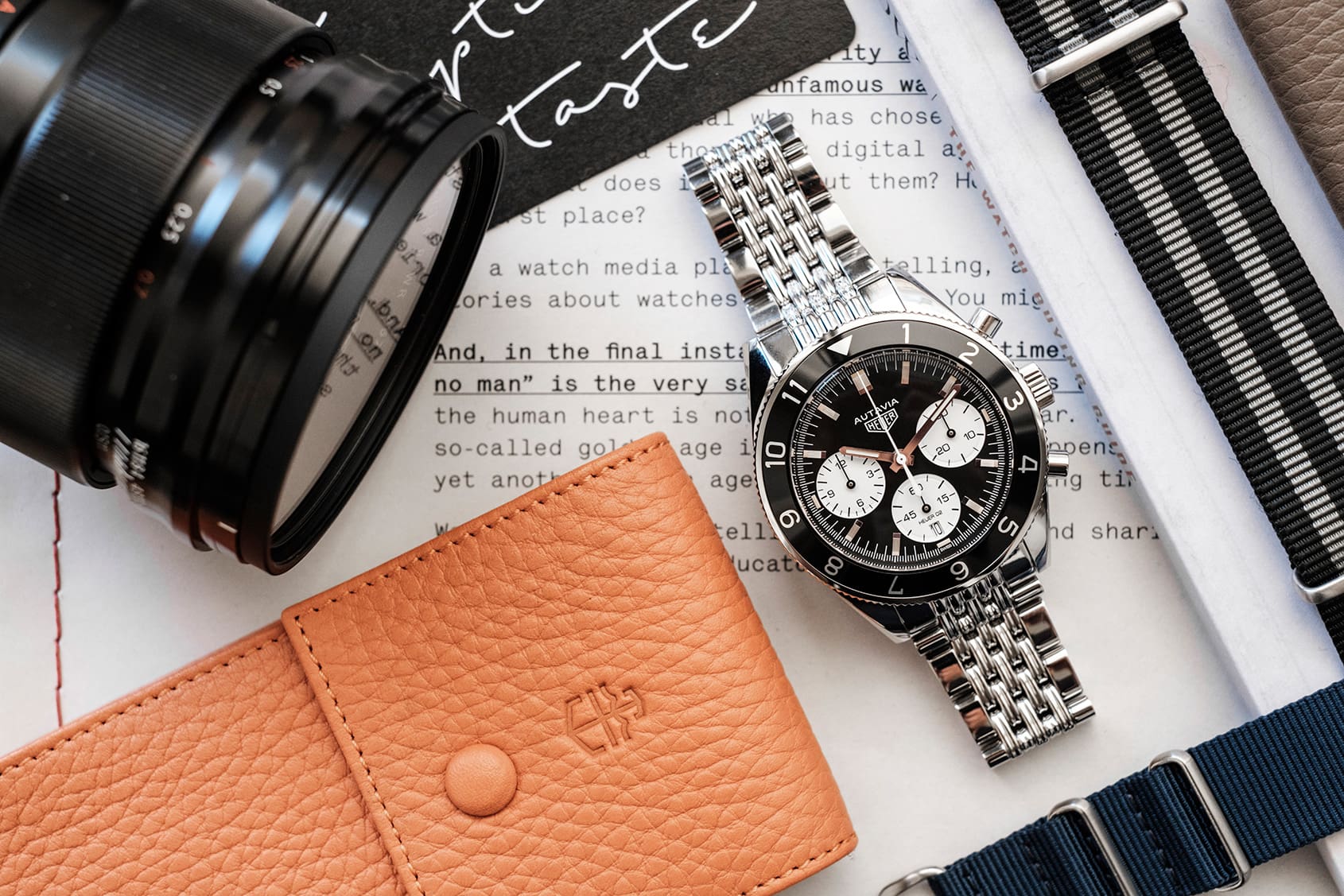
Between 2014 and 2023, it seems that TAG Heuer’s enthusiast-focused product focused on heritage-inspired models. There was a series of special edition Carreras that started in 2015. Then, there was the release of the modernised Autavia model in 2016, in addition to several Monaco releases. There was also the release of the calibre TH-02, which was an in-house column wheel, vertical clutch chronograph that made for a very robust and technically impressive in-house chronograph movement, especially for the price. It appears that TAG Heuer was covering all of their bases, offering cutting-edge tech-forward timepieces and heritage-inspired models alongside more mass market offerings aimed at a more general consumer.
For me, this strategy worked in gaining my attention. I was already a fan of Biver’s work, with his proven successful record with Omega, Blancpain, and Hublot. To see him at work with TAG Heuer was interesting and exciting. What happened in those years, I believe, laid the groundwork for where TAG Heuer is today, managing to attract the eyes of enthusiasts in a meaningful way.
My relationship with TAG Heuer today
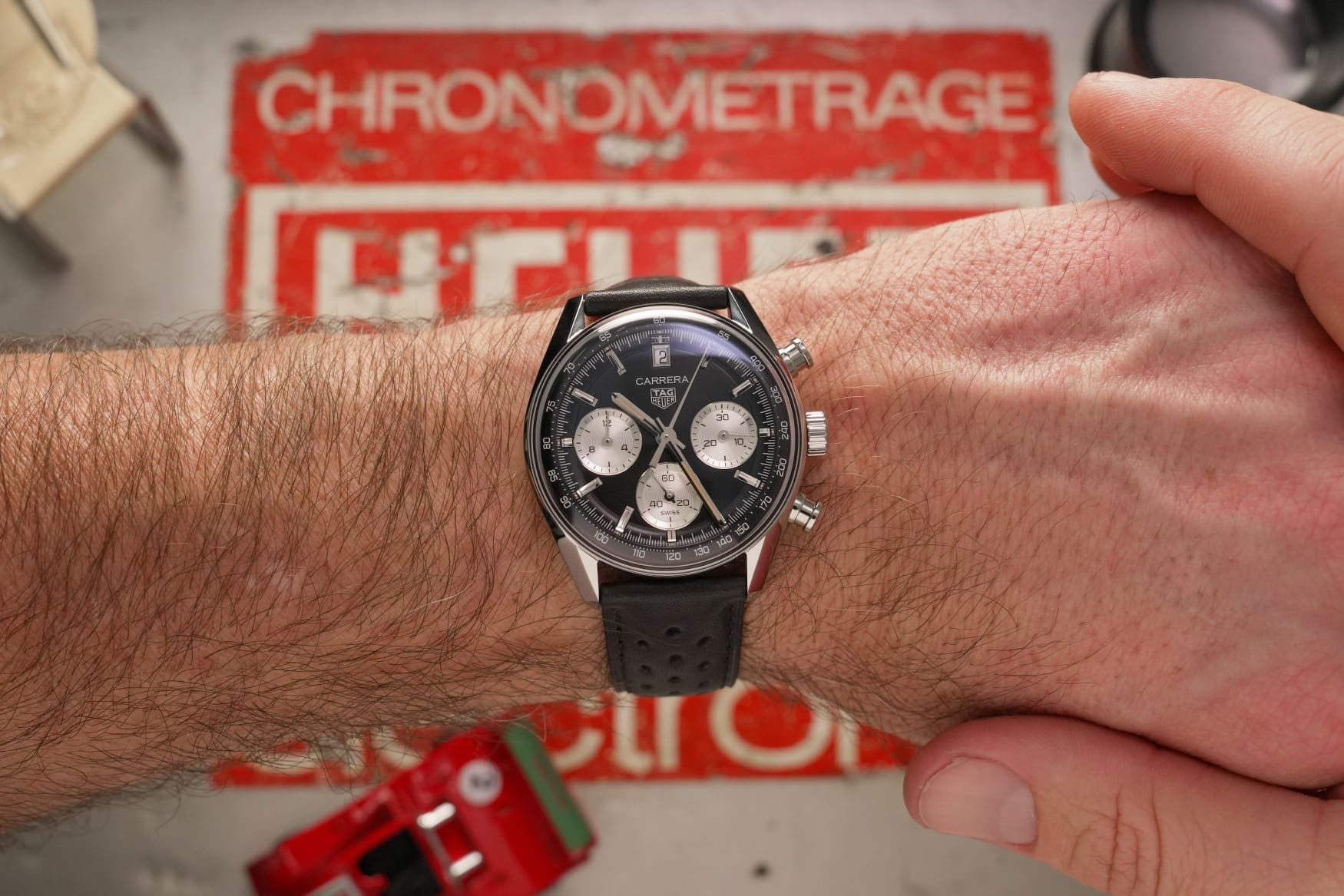
In 2023, TAG Heuer released the new TAG Heuer Carrera Glassbox. The new design kept the iconic angular Carrera case, but certainly catapulted the design into the 21st century. The top sapphire crystal is heavily curved, with a concave dial that features the tachymeter scale on a convex outer edge. The black dial with white sub-dials paid homage to the vintage Carrera Dato with a date display at twelve o’clock, while the blue dial opted for a pseudo dual-register layout with the running seconds indicated with printed indices as opposed to a clearly delineated sub-dial. These two versions showed a clear acknowledgement of the past while making these new models not only modern, but with their own identity that could stand on its own, separate from the Carrera’s iconic history.
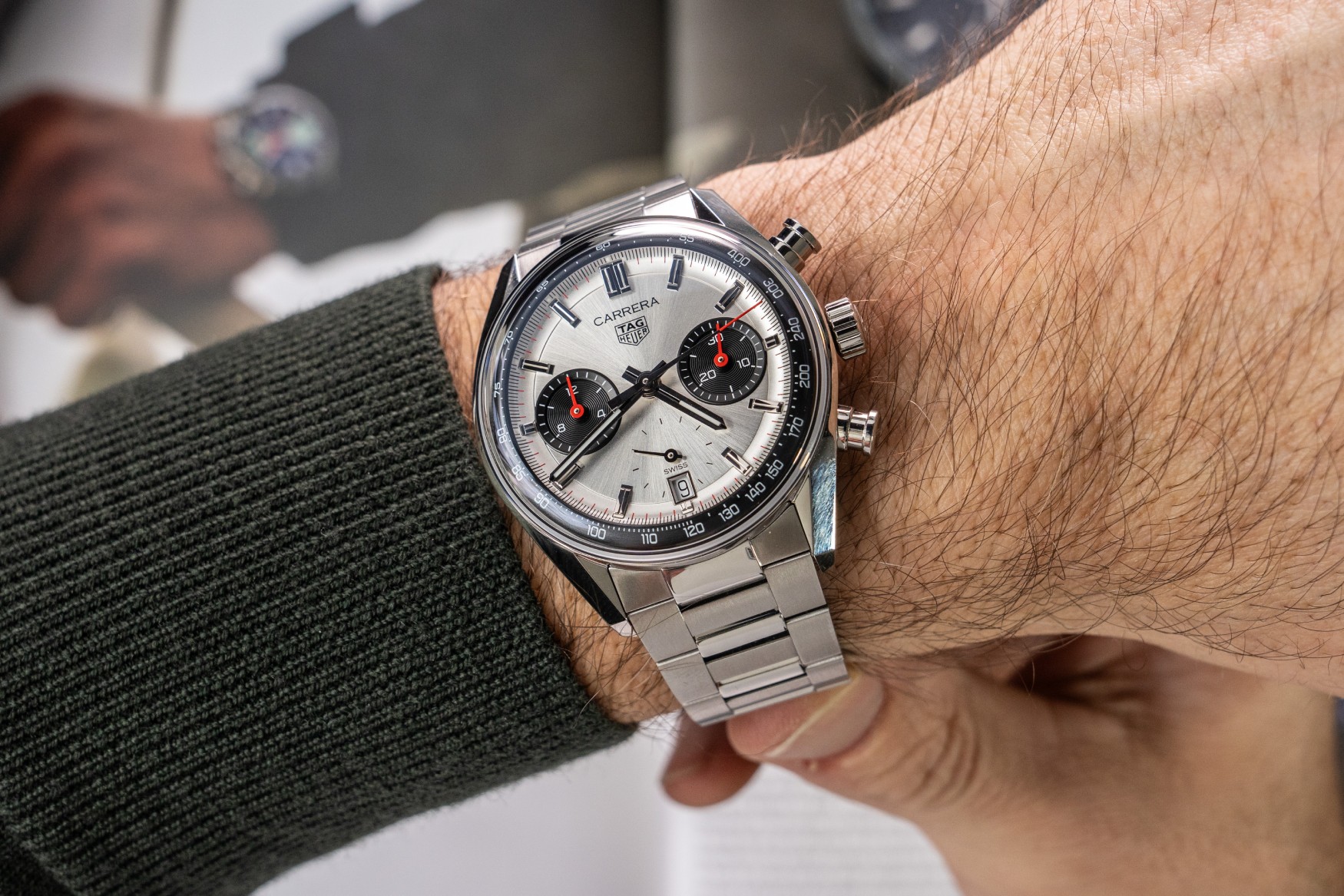
In 2024, TAG Heuer released updates that included a panda configuration and a steel bracelet. I was (and still am) a big fan of these releases, and they have made me actually consider a TAG Heuer for my own collection. As I started to read more about the model, TAG Heuer released the new Calibre TH-20 with the new Carrera Glassbox models in 2023. This movement was an update from the TH-02, with improvements including bi-directional winding, an increased power reserve, and an updated 5-year warranty. I was quite impressed to see TAG Heuer continue to develop their movements, providing an attractive and technically impressive mass-market (relatively speaking for the watch industry) chronograph.
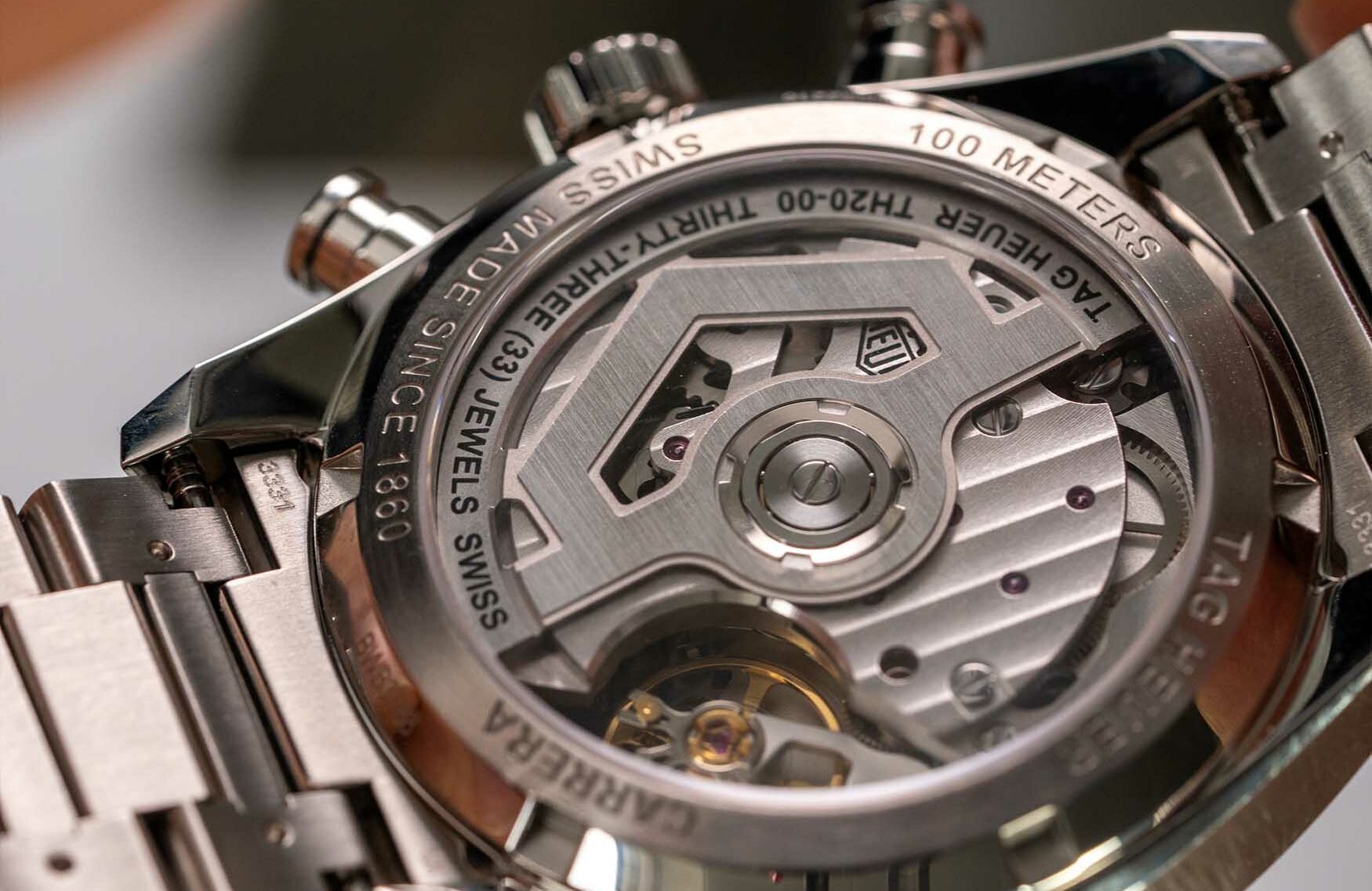
I could not find much literature on TAG Heuer’s website highlighting the achievements of the TH-20 calibre, relying on other websites dedicated to watch movement information. A beautiful and wearable design will certainly draw people in, but great technical specifications as well will win the hearts and minds of watch enthusiasts! I think it would be a great benefit to TAG Heuer to include an easily accessible space on their website dedicated to more technical information.
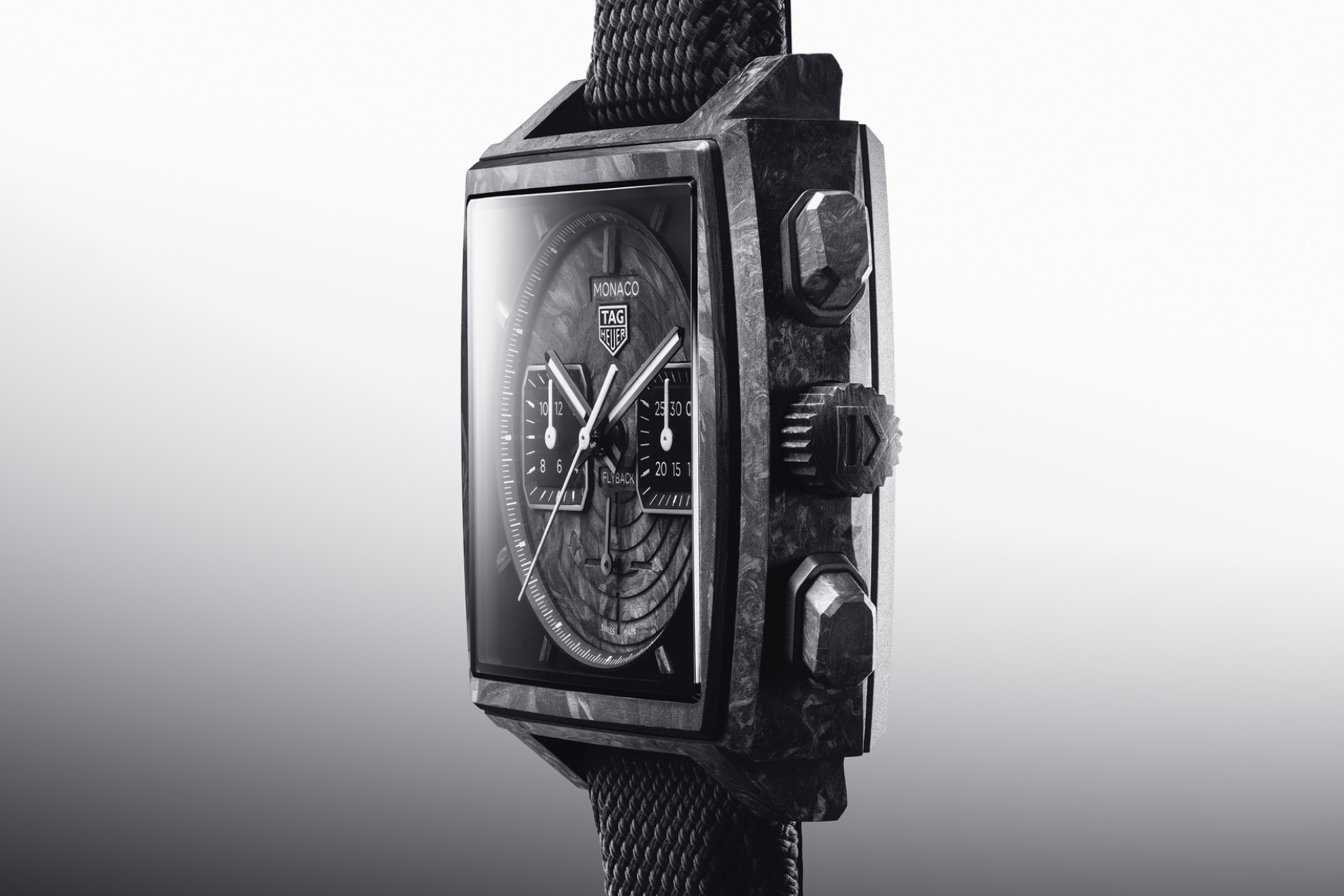
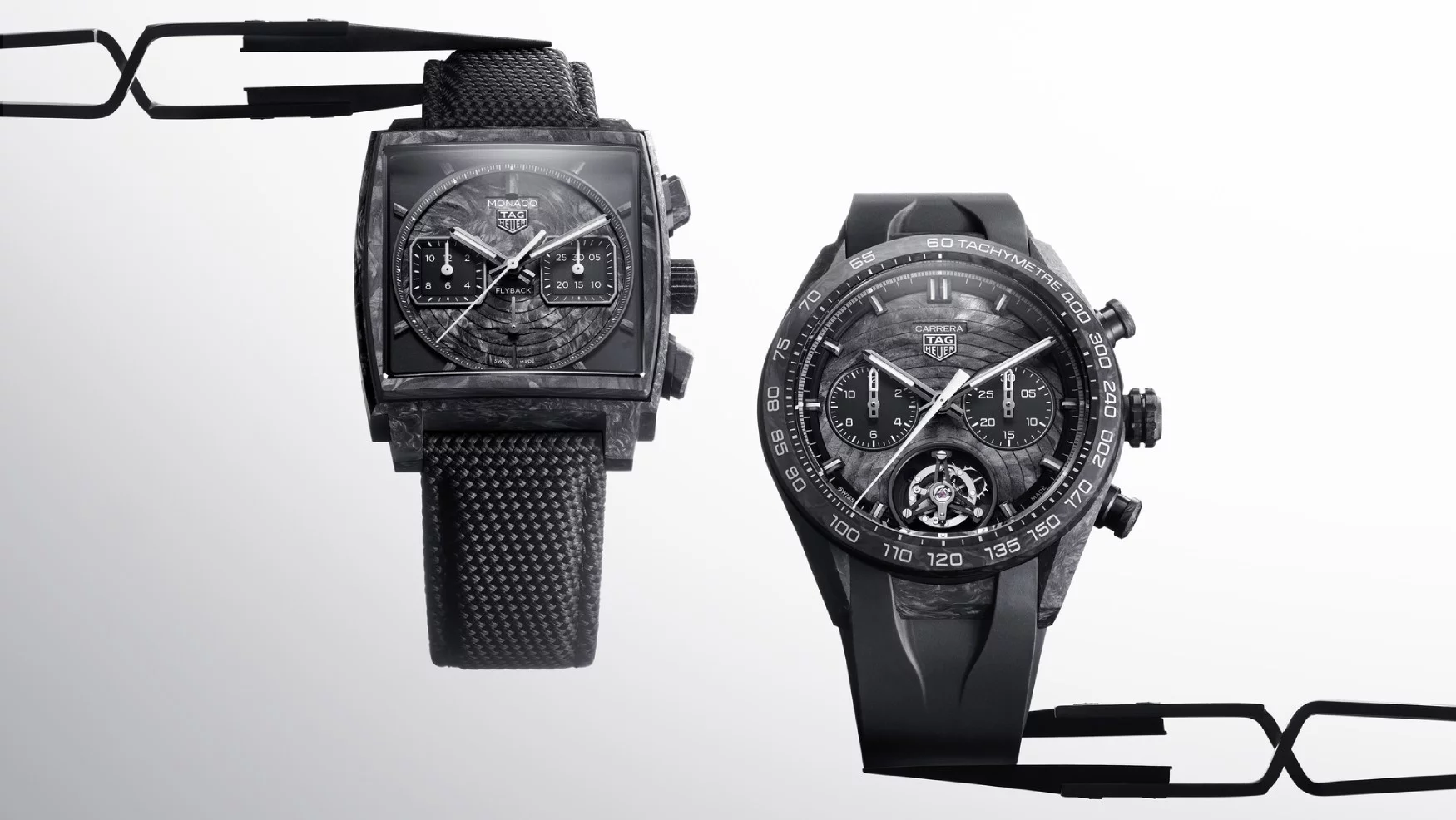
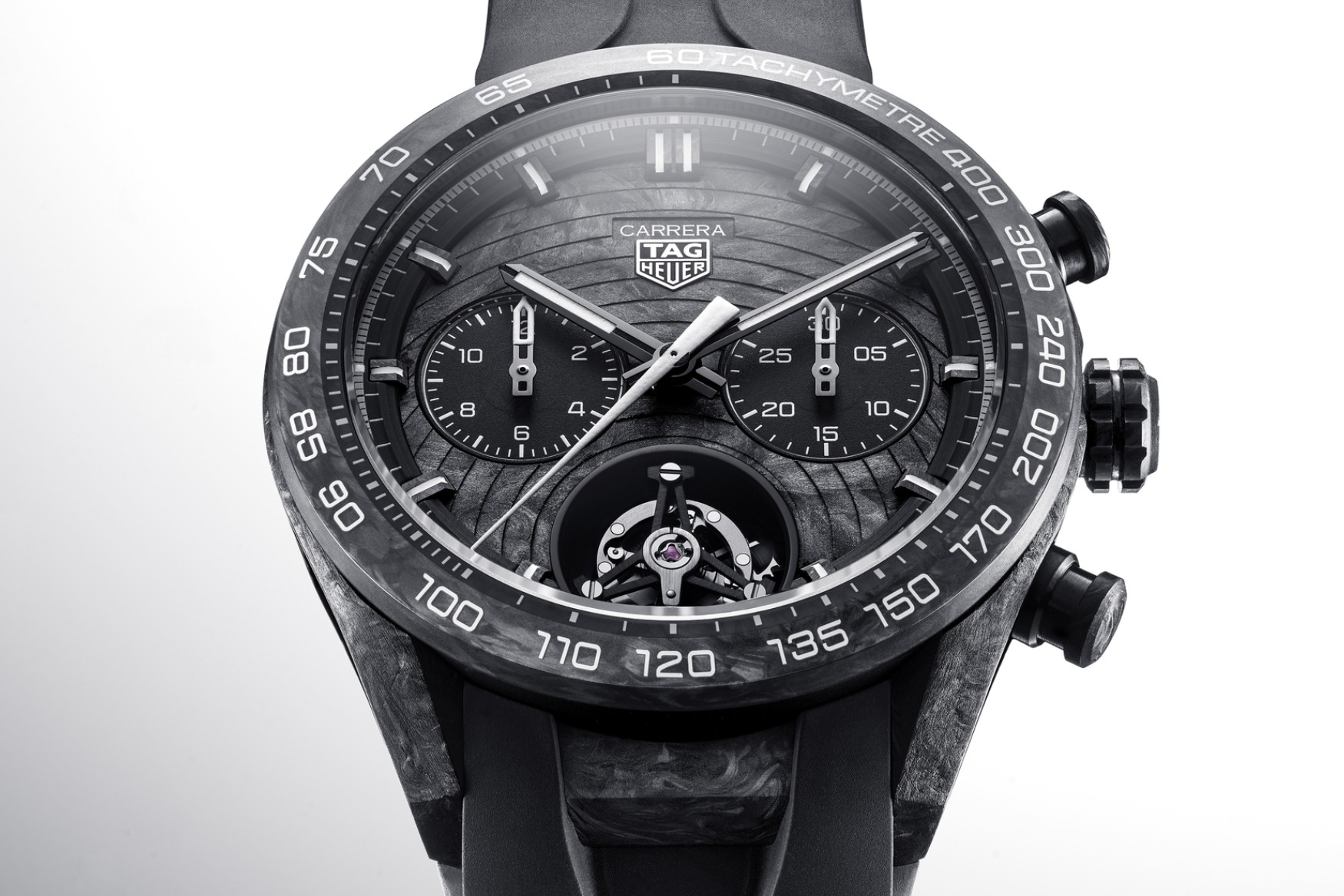
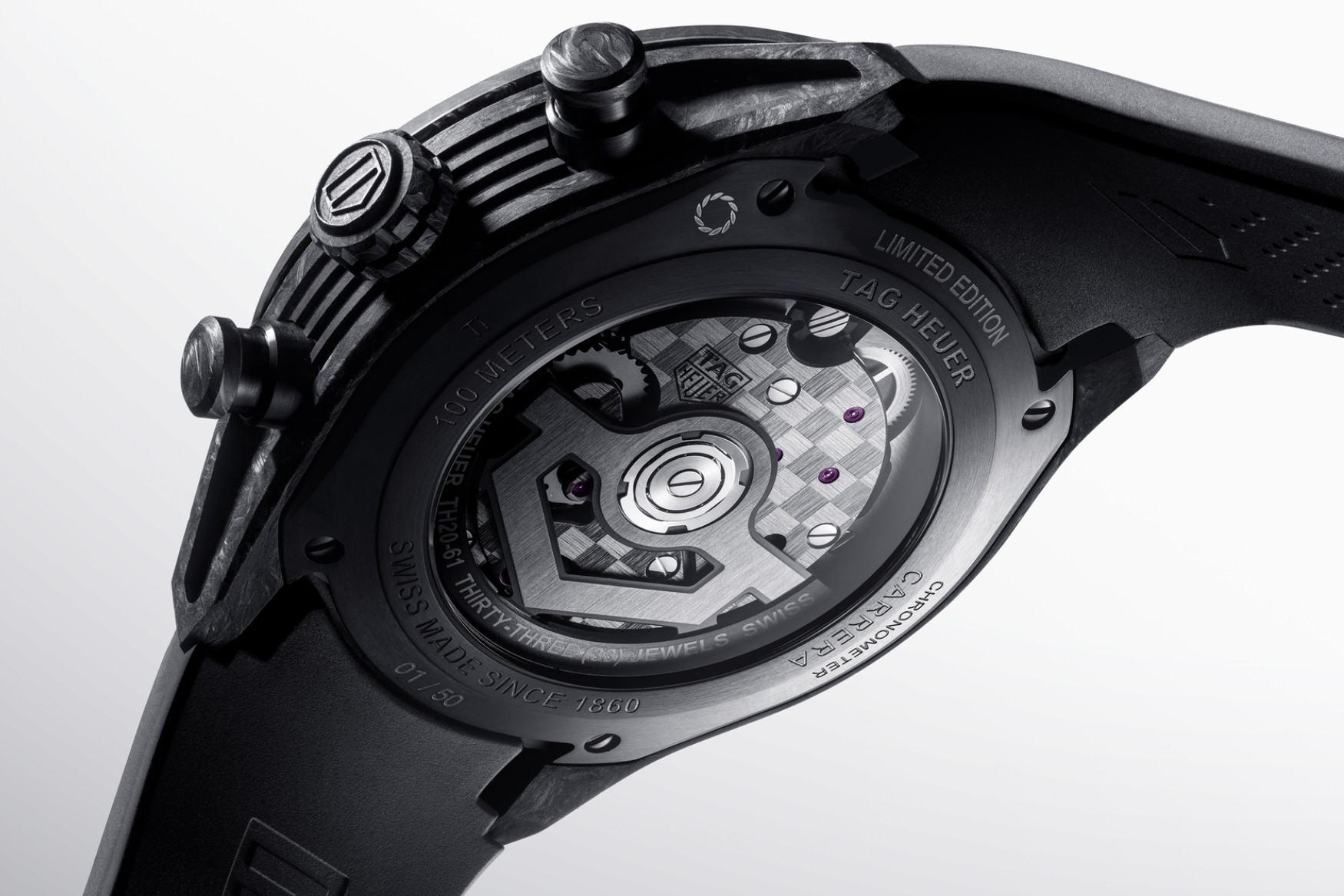
Whatever remaining doubt there was in my mind that TAG wasn’t trying to gain the attention of dyed-in-the-wool enthusiasts was shattered at Geneva Watch Days 2025, with the brand announcing its perfection of carbon hairspring technology. As if this wasn’t enough, they released this innovative hairspring technology in a carbon-cased Monaco with a flyback chronograph, and a carbon-cased Carrera Extreme Sport with a tourbillon. Both the TH-20-60 in the Monaco Flyback Chronograph TH-Carbonspring and the TH-20-61 in the Carrera Chronograph Tourbillon Extreme Sport TH-Carbonspring feature movement decoration resembling a checkered flag, seen before on the recent Monaco Split-Seconds.
This movement decoration comes across as uniquely TAG Heuer, managing to tie in their racing heritage in a unique way. This new hairspring is anti-magnetic, resistant to shock, and lighter than a conventional metal hairspring. Unfortunately, limited to 50 pieces each for both models, I think these models display TAG Heuer’s dedication to technical, engineering-focused achievements in watchmaking, emphasising reliability, accuracy, and durability. These carbon models have absolutely sold me on the modern TAG Heuer brand.
TAG Heuer’s continued involvement in racing also does not hurt. As Rolex stepped out of Formula 1, TAG Heuer stepped in, taking over as the official timekeeping sponsor of F1 in 2025. As an active Porsche fan, TAG Heuer’s sponsorship of Porsche’s Formula E and endurance racing teams also wins some points in my eyes. TAG Heuer has also moved away from their “Don’t Crack Under Pressure” motto, and their current brand motto is “Designed to Win,” which, to me, presents as more inclusive and more easily personally defined.
Closing thoughts

I currently live in a large city, which is great, as it means greater access to watch retailers and boutiques! I have also travelled more globally over the last few years, which also means visiting watch stores while waiting in airports. Not only has this meant seeing more watches in general, but I have seen more TAG Heuer watches in the last two years than I think I have in the first 10 years of my interest in watches. Boutiques and stores usually have a couple of the newer models in the display case, meaning I have seen the newer Carreras and skeletonised Monaco models in person (the new beads of rice bracelet is pretty awesome). While not everything is for me, I am pleased to see that the new and exciting models are available for people to see. Not only is this good for TAG Heuer, but I think it is good for watch enthusiasm as a whole.
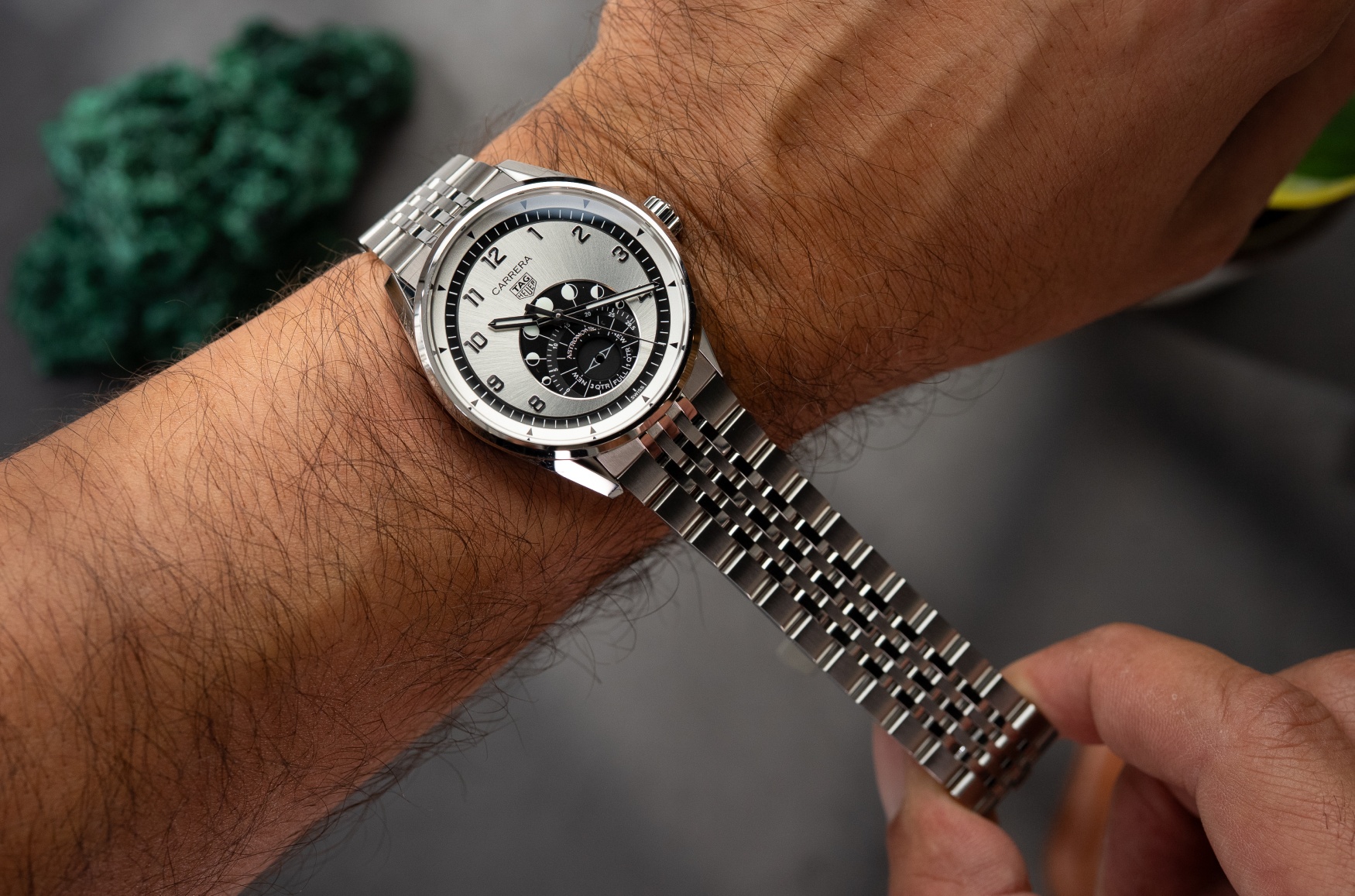
Ultimately, I think TAG Heuer is doing all the right things to gain more active enthusiast involvement in their contemporary offerings. I would like to see TAG Heuer continue to develop their hairspring technology, and see this used in more of their model line-up, alongside the checkered flag movement decoration. With a mixture of heritage-inspired Monaco and Carrera models alongside the tech-y skeletonised Monaco and Carrera Extreme Sport models, TAG Heuer seems to artfully connect all periods of their history, from their early automotive-focused stopwatches to Biver’s time as CEO (something I think Biver would be proud to see). The current catalogue feels appropriate for right now, leaving room for the brand to push forward and maintain historic models. I’m not sure when, but I am definitely thinking that modern TAG Heuer will have a place in my watch collection sometime in the future…