


Why odd lug sizes are worth the headache
Andrew O'ConnorI’m willing to bet just about any mildly seasoned watch collector has some sort of container filled with extra watch straps, and I would place an additional over/under bet on most of them being even numbered lug widths (i.e. 18mm, 20mm, 22mm, etc). My willingness to place this bet is based upon the amount of internet discourse I see anytime a watch brand introduces with an odd-numbered lug width, and the number of people who wish they had opted for a “standard” lug width. For those clutching your 20mm single-piece nylon straps, hear me out.

An odd-numbered or non-standard lug-width often signifies to me that a brand prioritised the overall design and wearing experience over trying to meet the requirements of popular specifications. Unfortunately for my article, Google AI actually gave a very good and nuanced answer to “what are the perfect watch dimensions?,” but similar to my market speculation on dual-register chronographs, I’m sure many brands have the sales data to signify that 39mm in diameter with 20mm lugs are amongst the most popular case dimensions. Many of these watches are great; I even own a couple. However, in my experience, many watches with less standard lug widths seem to prioritise an aesthetic and physical experience over appeasing popular opinions.
Let me make my case

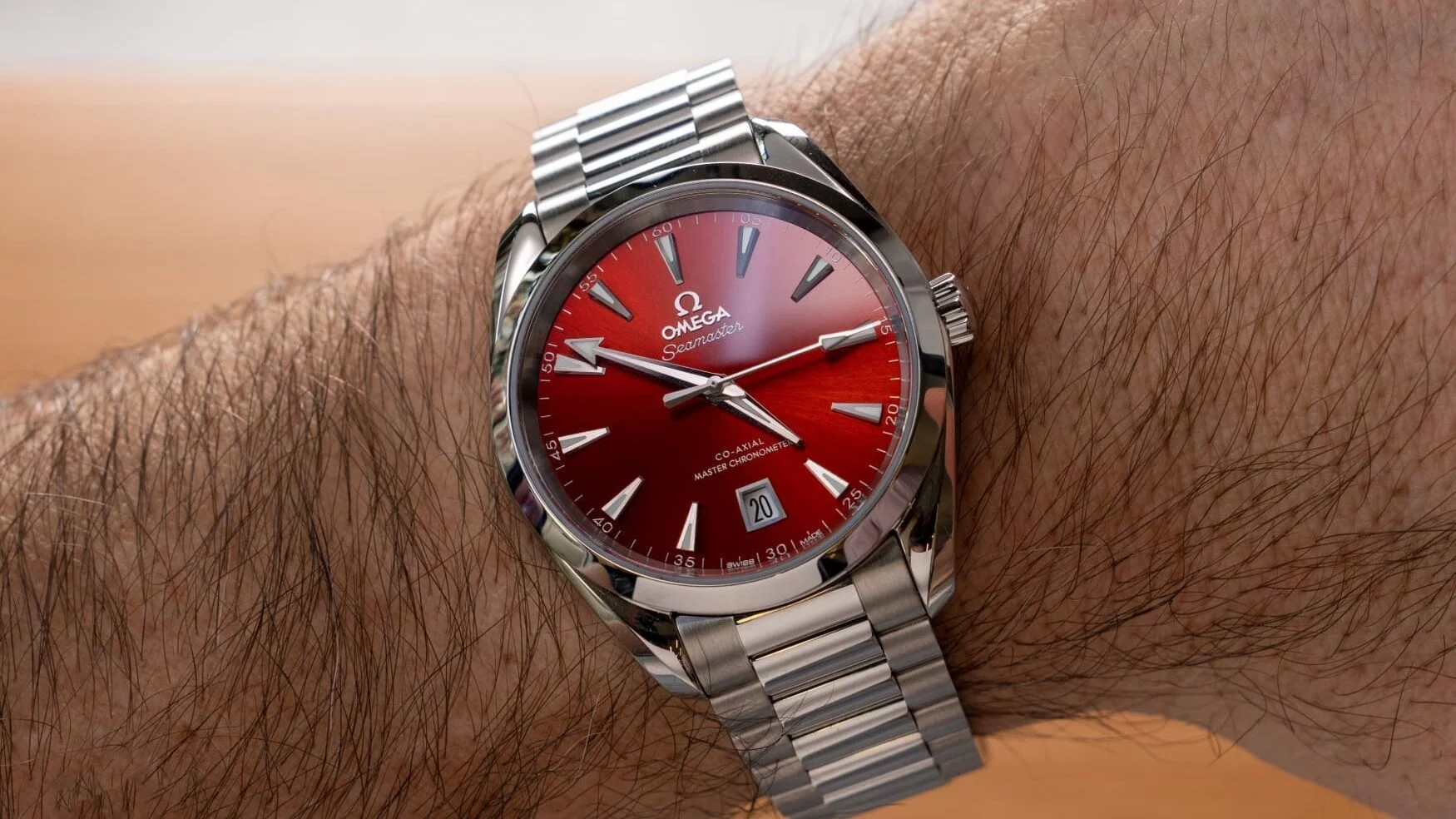
I will start defending my position with some 19mm lug-width watches. 19mm is common enough that again, I’m willing to bet many seasoned collectors have owned at least one watch with 19mm lugs, and thus a few 19mm straps. Everything from the Speedmaster “First Omega In Space,” to the sadly discontinued medium Jaeger-LeCoultre Reverso Duo, to a slew of Grand Seiko and Longines models commonly sport 19mm lugs – they’re just not as common as 20mm. The original Omega Speedmaster CK2915 had 19mm lugs, and to me, it looks more proportionate than the Speedmaster we know today.

With Grand Seiko, the relatively recently released SBGH347 and SBGH349 make for an easy comparison. Essentially, they’re the same watch, except the SBGH349 measures 40mm in diameter, 46.6mm lug-to-lug, 13mm thick, and has 20mm lugs. The SBGH347 measures 37mm in diameter, 44.6mm lug-to-lug, 13.3mm thick, and has 19mm lugs. Placing them next to each other, I greatly prefer the aesthetics of the SBGH347, as the lugs are proportionately longer relative to the case diameter, and the lug width appears more appropriate to the watch head.

The SBGH349, in comparison, seems to be made to appeal to those looking for a larger watch, while making it wearable for a wide range of wrists… Which makes the proportions suffer a bit. The lugs seem too short for the case, and the bracelet too narrow. Once on the wrist, personal preferences in wearing experience may cause you to lean one way or the other, but excusing the slight increase in thickness, the SBGH347 seems to me to have a more coherently proportioned design.
Focusing on Rolex
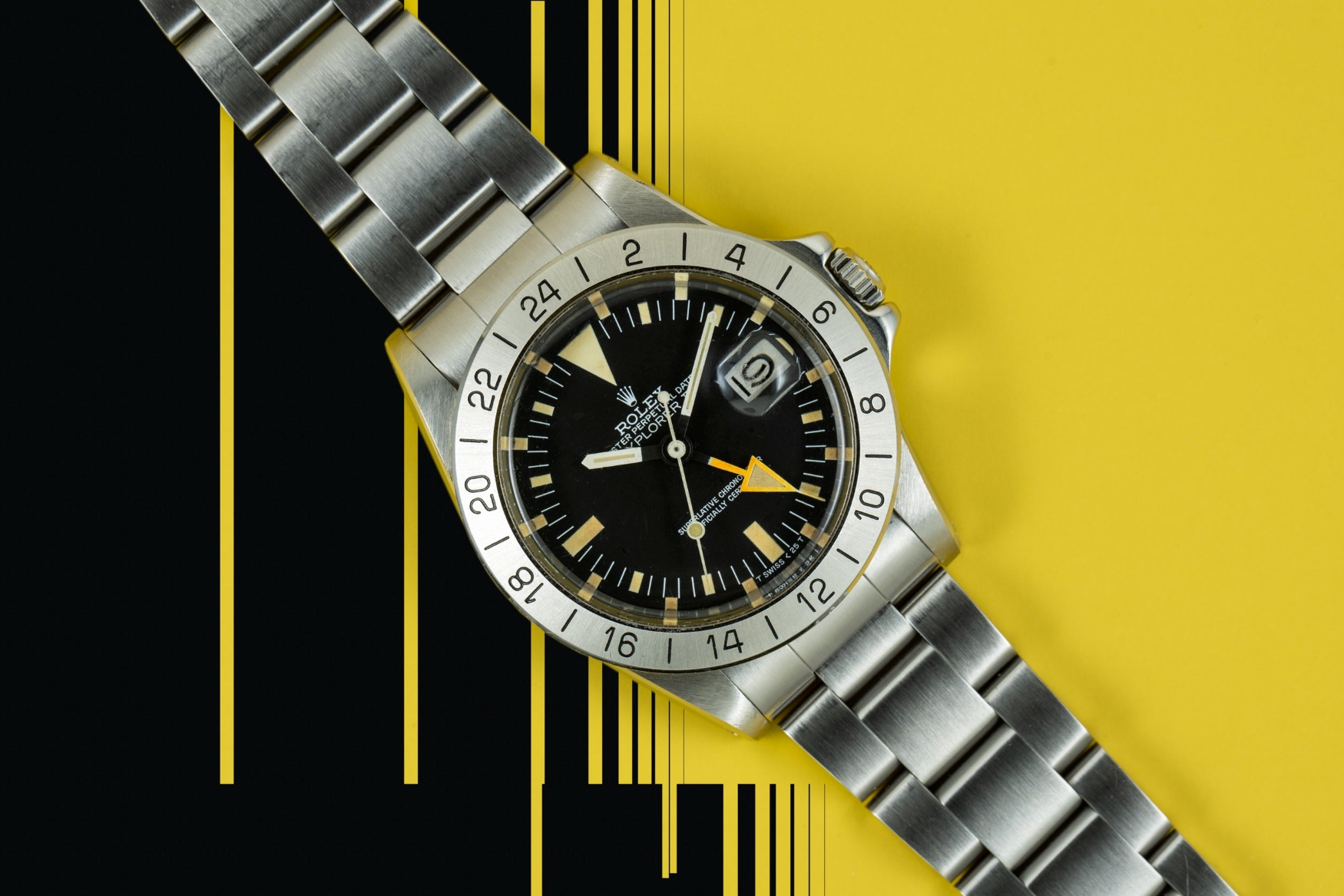
Staying with 19mm lugs, one of the designs that I think is improved by a change in lug width is the Rolex Explorer I 124270. While a completely different generation, the original Explorer II ref. 1655 is a very aesthetically pleasing design to me, as the proportions of everything seem spot on. The Explorer I of the same era (ref. 1016) appears as if the lugs are too wide for the case in comparison, which lends to the cuff-like wearing experience of many Rolex watches.
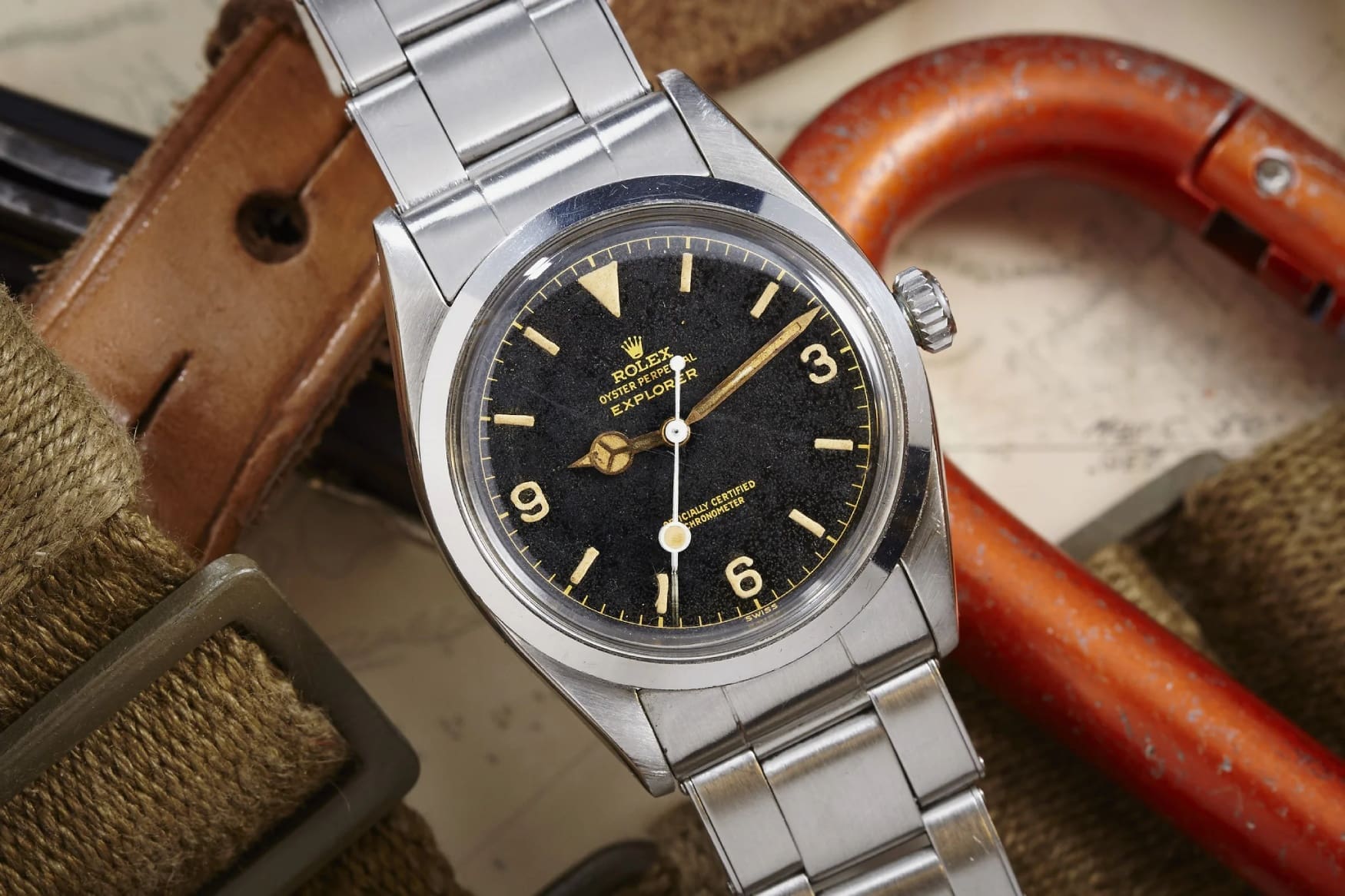
When Rolex announced the return of the 36mm Explorer I in 2021, the collective rejoicing was met with collective groans over the 19mm lugs. When I first got to try the watch on, I was completely sold, as it seemed to be the most proportionate 36mm Rolex I had ever tried on (the dramatic bracelet taper didn’t hurt either). The idea that Rolex has always slowly perfected its products was not new to me, but the first time I handled a ref. 124270 Explorer I was when that prospect landed and resonated with me, and I would largely give credit to the reworked preparations of the case and bracelet.

So far, I have focused on the most common odd lug width, but I was surprised on multiple fronts when I started looking into and owning my first Cartier watch. Most brands publish the lug widths of their timepieces on their website. In contrast, Cartier does not make that available, and finding aftermarket straps, until recently, was problematic, short of custom strap makers. I somehow I set my sights on the medium-sized Tank Américaine that was released in 2017.
My personal experience
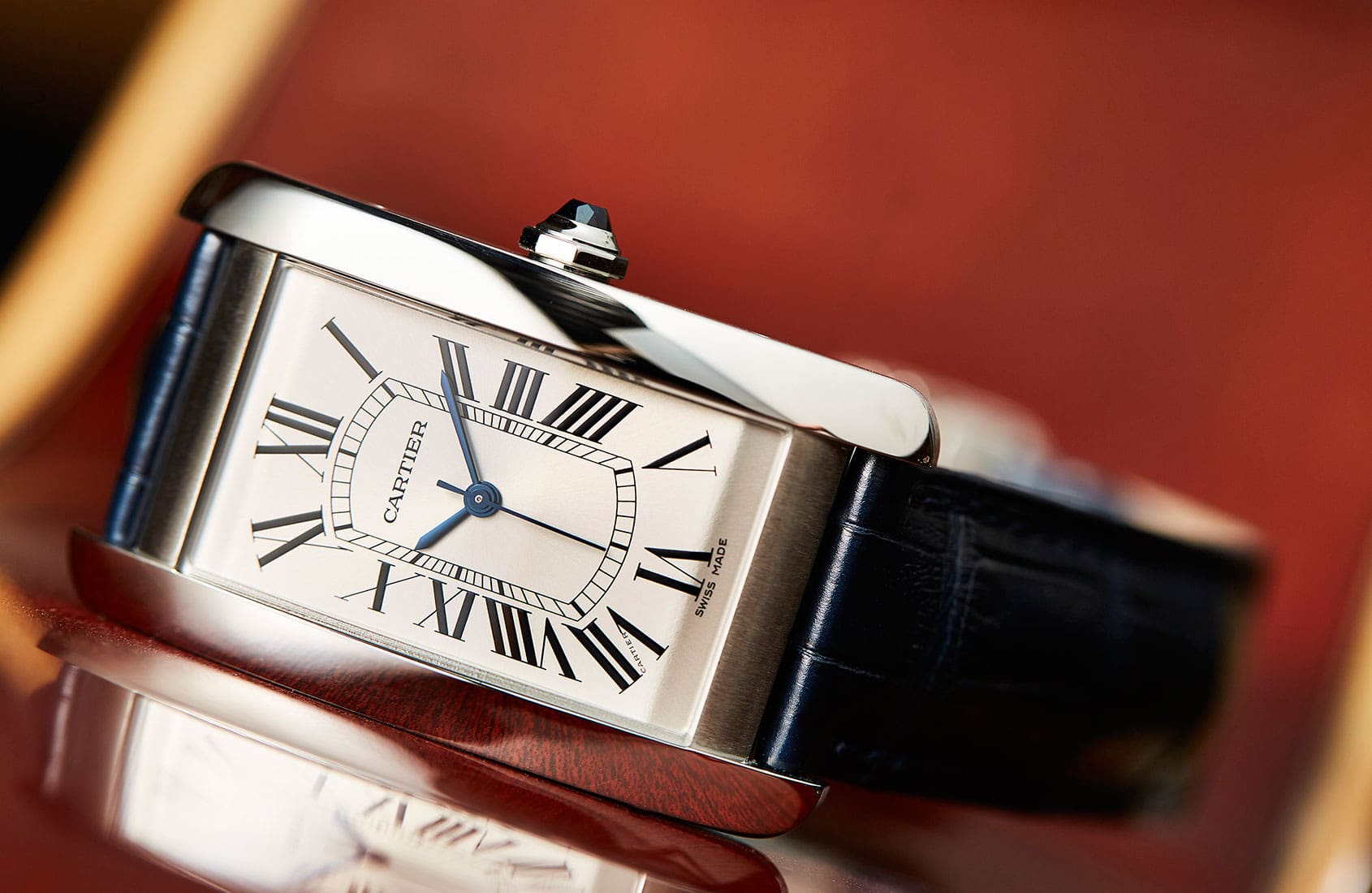
Similar to my experience with TAG Heuer prior to a few years ago, finding mid-sized Cartier pieces in the United States was an ambitious endeavour at best. It wasn’t until my first trip to Paris with my spouse that I actually found one! An advantageous Euro to USD conversion was really all the arm-twisting it took, and I had one. I was excited to also find new straps for it, and measured the lug width when I got settled back home. I thought my eyes were playing tricks on me, but it is bang on 15.5mm.
I have since tried 16mm straps, which can be squeezed in, and 15mm straps, which leave a little bit of space between the case and the strap. At 15.5mm, the stock strap looks perfect for the watch, and again, really makes for a large part of the wearing experience. I do think to do the watch justice, I just need to cave and order some custom or OEM straps, as any deviation from the design as it left from Cartier seems to be a disservice to the watch. I don’t think anyone doubted it, but Cartier clearly knows a thing or two about designing a great-looking and wearable watch.
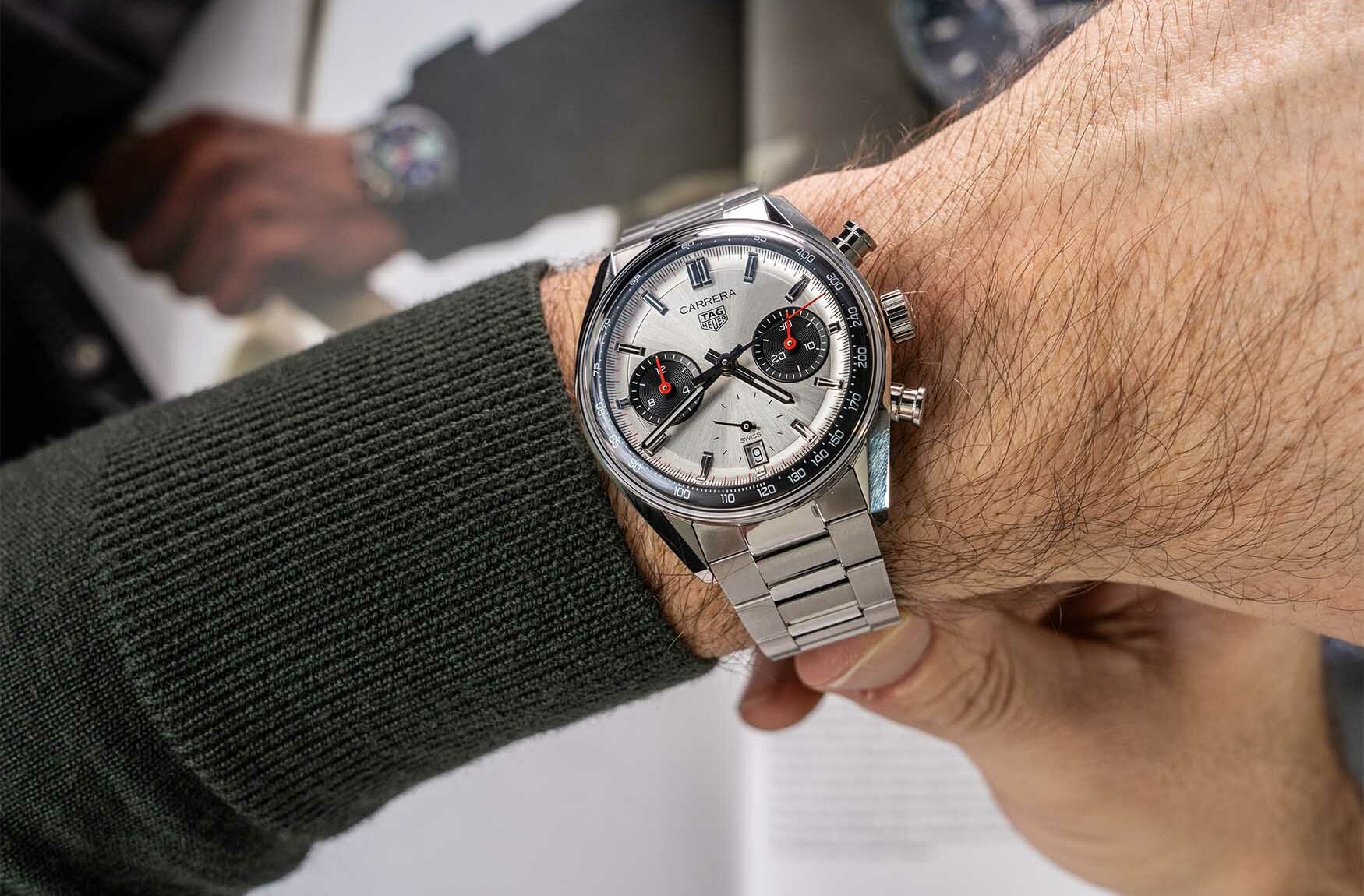
As I mentioned TAG Heuer earlier, another example of an atypical lug width is the 39mm Carrera Glassbox. Unlike Cartier, TAG Heuer does publish the lug widths of their watches, and the lugs of the 39mm Carrera Glassbox measure 20.7mm. Again, similar to the Cartier, you could put a 20mm strap on if you don’t mind that slight gap, and you could squeeze a 21mm strap in as well, but especially on the metal bracelet options, the watch appears proportionately pleasing to me, and has an equally affable wearing experience on the wrist.
Could TAG Heuer make their lives and ours easier by sticking with a standard 20mm strap? Sure. But somewhere along the line, despite all of the steps that a large brand would go through to bring a watch to market, they decided not to compromise the design and stuck with the unconventional 20.7mm lug width.
Closing thoughts
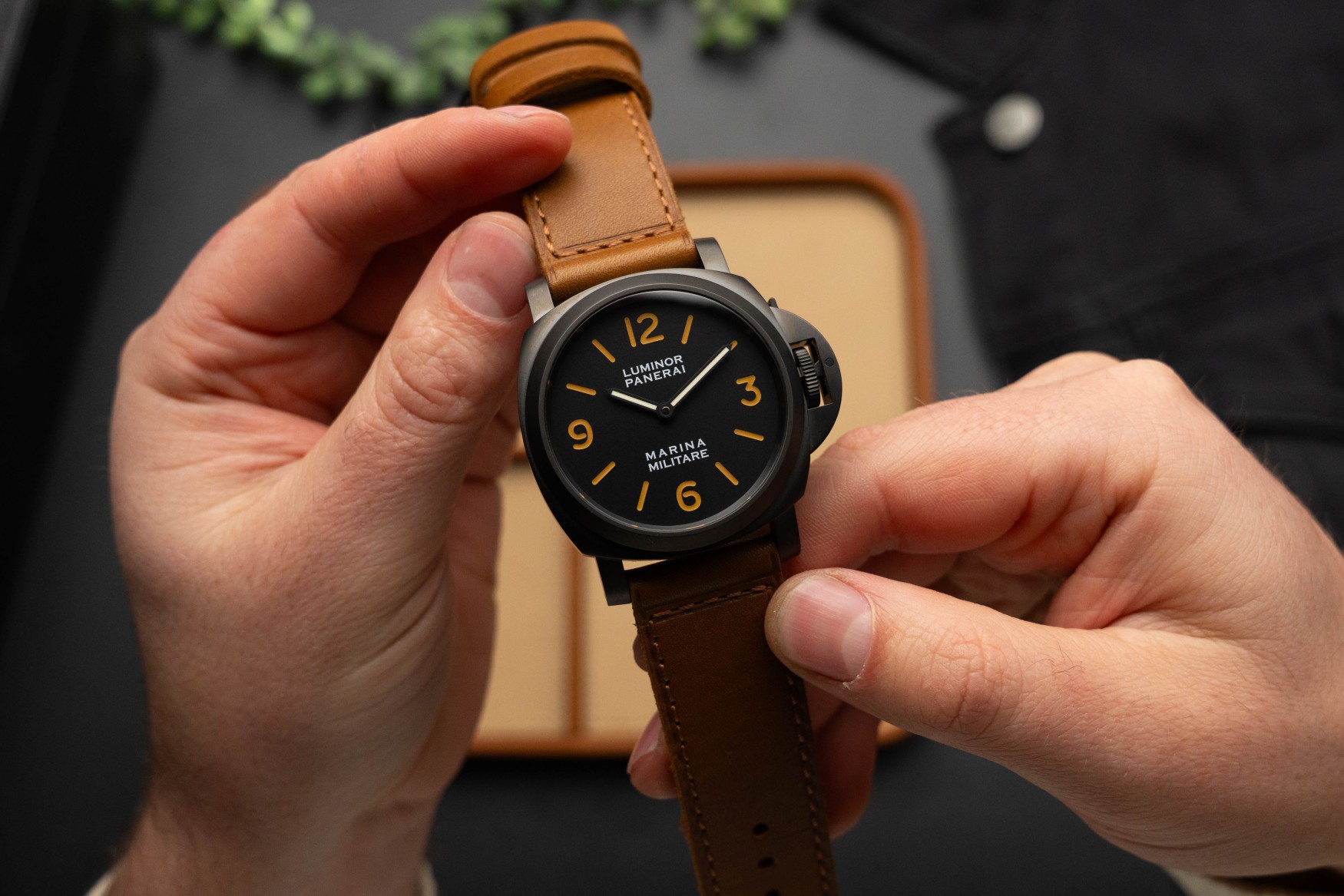
Old Top Gear fans (the iconic British trio version) will likely remember many occasions where the presenters would bemoan a car company compromising a car due to some overzealous employees in accounting. Occasionally, though, some brand would be crazy enough to let some over-engineered, car enthusiast-focused product slip through the cracks. While unconventional lug widths are a far cry from an engineering sticking point, they seem to signify to me that the designer and/or design team had an uncompromising vision for the watch, and that they wanted the proportions to be perfect for what they wanted to achieve. Because of that uncompromising vision, I would say that these are some of the most aesthetically pleasing and best-wearing watches I have come across in my time as a watch enthusiast.
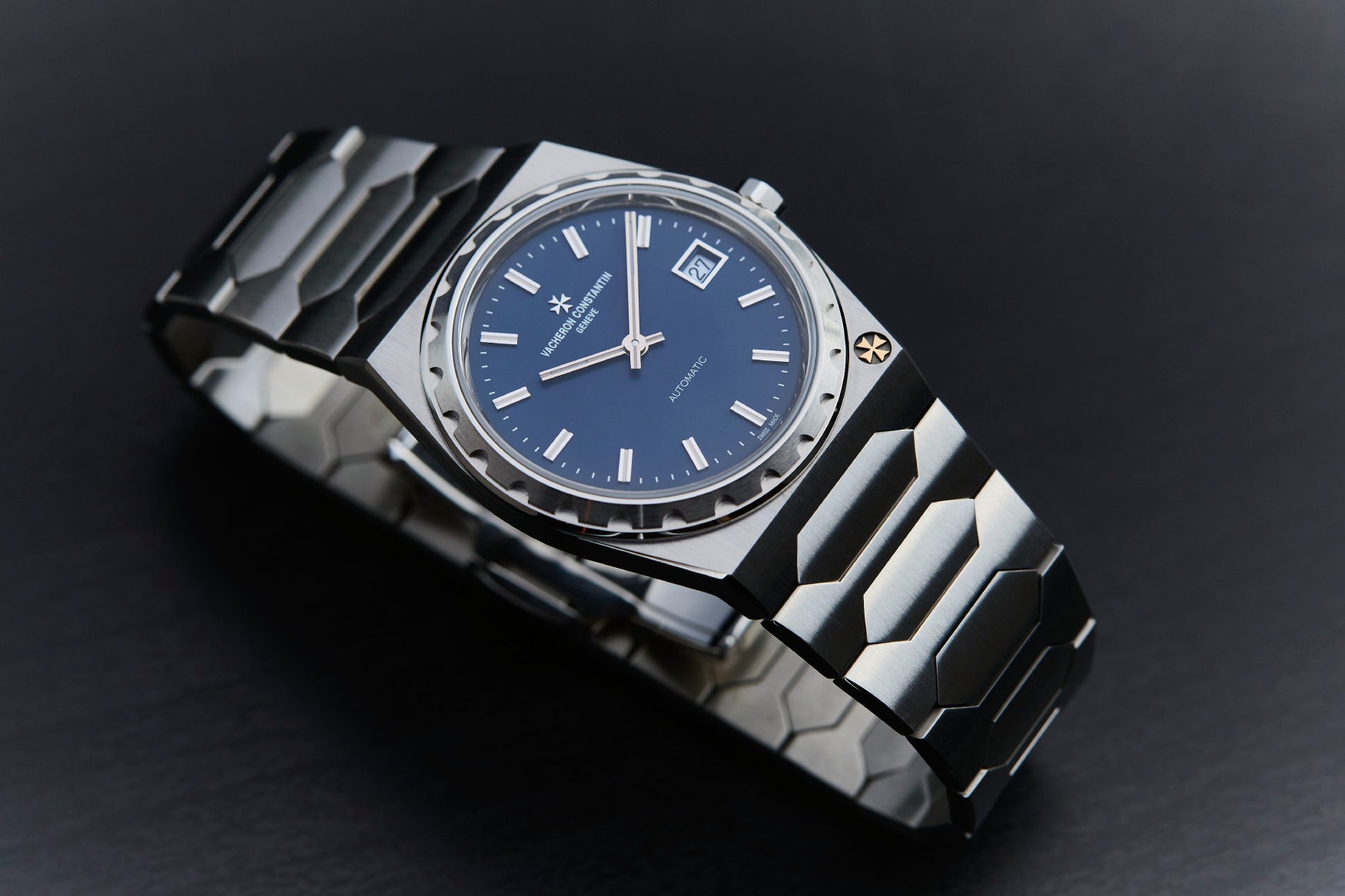
I feel like we often give a free pass to integrated bracelet/strap watches, as their integration is part of the design. Why can’t we give that same grace to watches with less common lug widths? While there are certainly exceptions to my argument, it seems to me it is a “all squares are rectangles but not all rectangles are squares” kind of situation. Regardless, the next time you see a non-standard lug width on a new release, if you’re a fan of the design, try it on before you write it off because your existing strap collection isn’t compatible. It may be one of the best-wearing watches you’ve ever put on your wrist.